

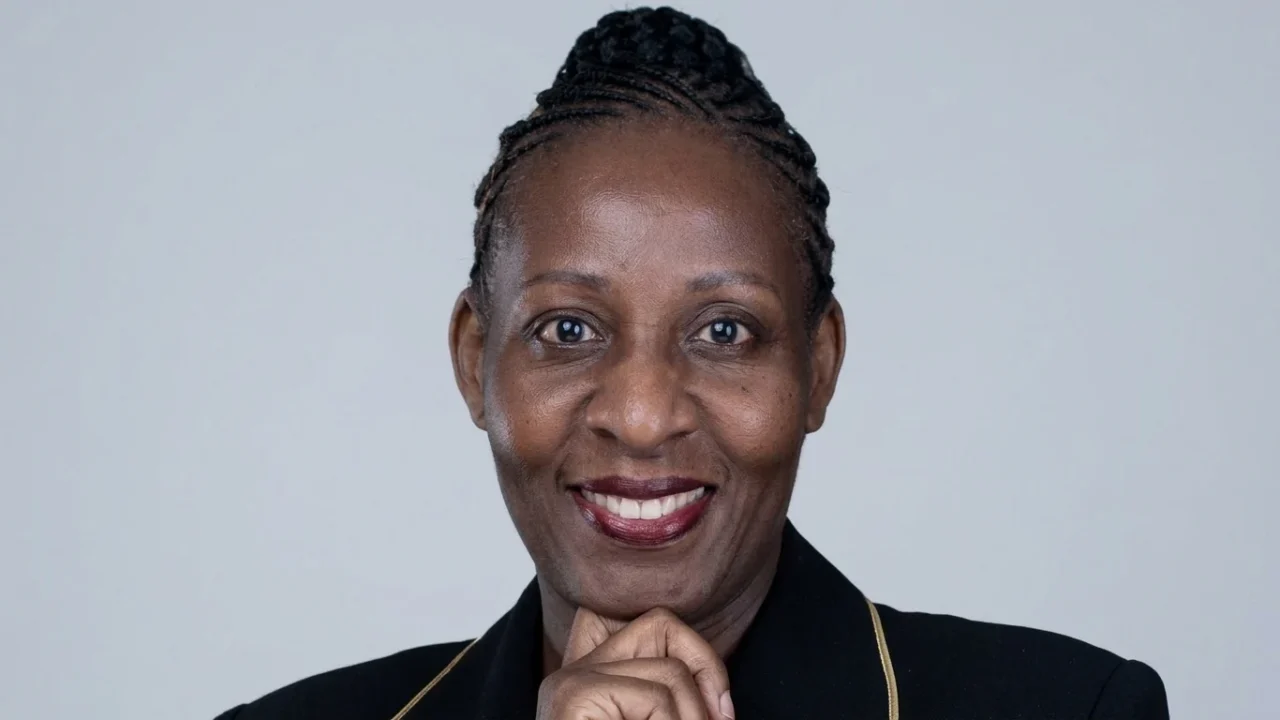
Mercy Lung’aho: When Diet Quality and Nutritional Biomarkers Tell Different Stories
Mercy Lung’aho, Lead – Food Security, Nutrition, and Health Program at International Institute of Tropical Agriculture (IITA), shared a post on X about a recent article by Priscilla Ifeoma Offoh et al., published in The American Journal of Clinical Nutrition, adding:
“Diet-Quality Indicators and Biomarkers Do Not Always Tell The Same Nutrition Story.
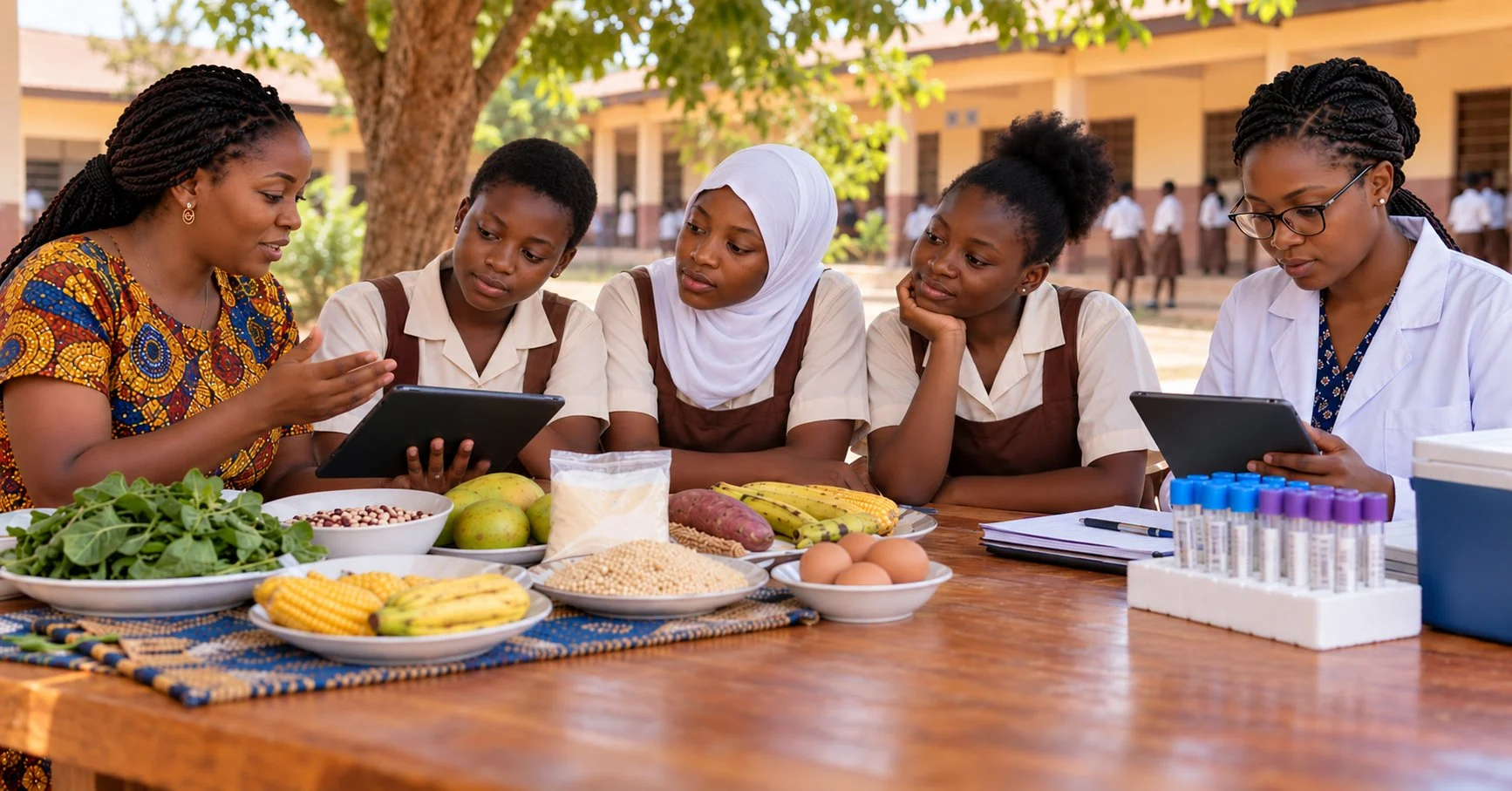
A secondary analysis of the Ten2Twenty-Ghana trial examined whether commonly used measures of diet quality were associated with iron and vitamin A biomarkers over six months among rural Ghanaian adolescent schoolgirls.
The findings were not straightforward. Dietary diversity, overall diet quality and food-processing measures showed different relationships with different biomarkers.
They were also not consistently associated with anemia, iron-deficiency anemia or VitaminA deficiency. Some findings were counterintuitive and may partly reflect the contribution of fortified foods within this particular food environment.
The authors appropriately caution that these observational results should not be interpreted as evidence that ultra-processed foods improve nutrition.
So, what should we take from this?
Dietary-diversity scores and biomarkers answer different questions.
Food-processing categories cannot be interpreted without understanding the local food environment. No single indicator tells the complete nutrition story. This matters because the indicators we select influence how we design, target and evaluate nutrition programmes.
I found this paper thought-provoking and was left wondering: When our indicators disagree, do we dismiss the mismatch as noise? Or use it as a signal to ask better questions?
A thought-provoking read!
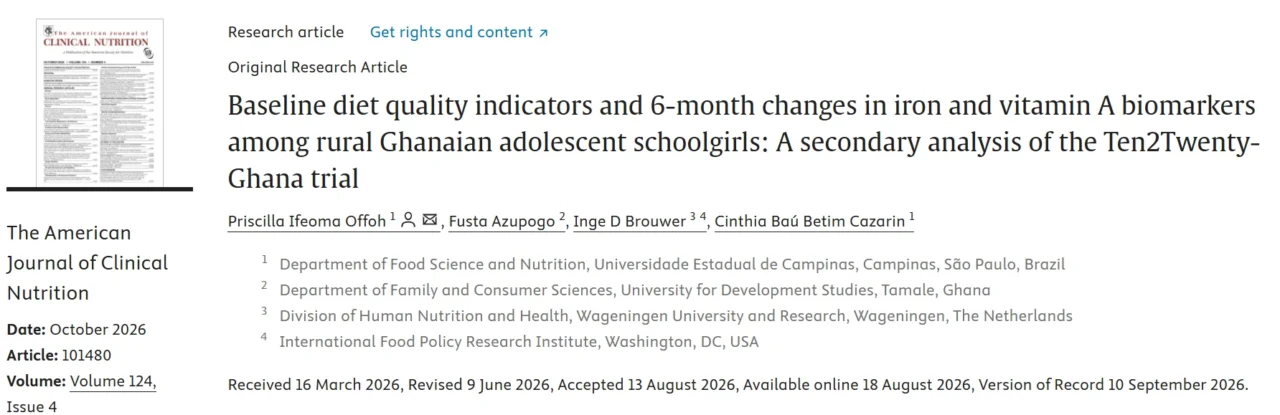
Offoh et al. (2026), ‘Baseline diet quality indicators and 6-month changes in iron and vitamin A biomarkers among rural Ghanaian adolescent schoolgirls.’ ”
Title: Baseline diet quality indicators and 6-month changes in iron and vitamin A biomarkers among rural Ghanaian adolescent schoolgirls: A secondary analysis of the Ten2Twenty-Ghana trial
Authors: Priscilla Ifeoma Offoh, Fusta Azupogo, Inge D Brouwer, Cinthia Baú Betim Cazarin
Stay updated on all scientific advances with Hemostasis Today.
-
Nov 23, 2026, 16:04Gamunu Wijetunge: Stop Leaving TRICARE Transfusion Reimbursement on the Table
-
Nov 23, 2026, 15:58Mohsin Raza: Why is Anemia so Common in Patients with Chronic Kidney Disease?
-
Nov 23, 2026, 15:39Thirunavukkarasu Angappan: From Donated Plasma to Life – Saving Medicines
-
Nov 23, 2026, 15:06Giuseppe Biondi Zoccai: Hemoglobin-to-Creatinine Ratio Linked to Early Markers of Anthracycline-Induced Cardiac Injury
-
Nov 23, 2026, 14:54Mina Mokaram: New Research Examines MDS Progression and Transplant Outcomes in Pediatric CAMT
-
Nov 23, 2026, 14:41Danyel Chermon: Study Reveals Independent Effects of BMI and Genetic Risk on B12 and Folate Status
-
Nov 23, 2026, 14:25Ayomide Juliana: Promoting Informed Reproductive Decisions Through Sickle Cell Genotype Awareness
-
Nov 23, 2026, 14:15Disseminated Intravascular Coagulation: From Diagnostic Scores to Molecular Phenotyping
-
Nov 23, 2026, 14:13Mariam AlEissa: AI and Pharmacogenomics Drive WarfaRisk’s Personalized Warfarin Dosing Initiative