


Wendy Jean Schell: How Genetics and Supplements May Influence Bleeding Risk
Wendy Jean Schell, Health And Wellness Consultant at Clicks for a cause, shared a post on LinkedIn:
Blood clots in both lungs. And a conversation we need to be having about personalized health.
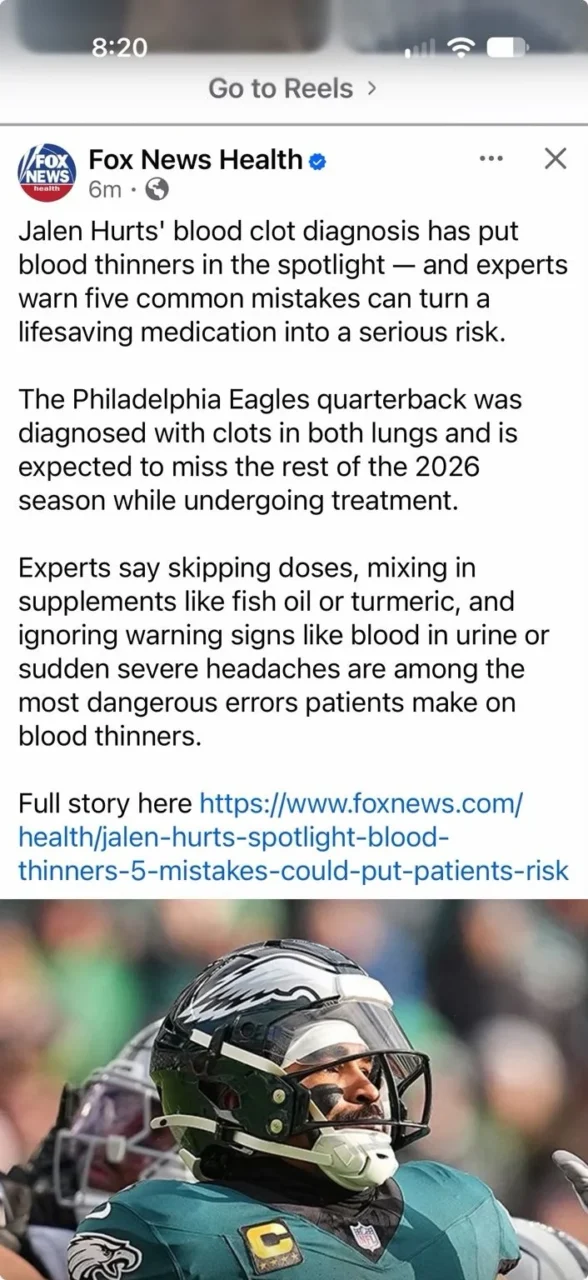
The news surrounding Philadelphia Eagles quarterback Jalen Hurts has brought attention to blood thinners, medication safety, and potential interactions with common supplements.
But here’s my question:
Do we really understand how everything we’re putting into our bodies works together?
As a Certified Functional Genomics Practitioner and Certified Functional Nutrition Expert, this is why I advocate for individualized health strategies.
We talk about medications, supplements, nutrition, and genetics.
But how often are we connecting all four?
Consider warfarin, a commonly prescribed anticoagulant.
Established pharmacogenetic guidelines demonstrate how genetic variations can influence an individual’s response to this medication.
Two important examples:
• CYP2C9: Influences how quickly the body metabolizes warfarin. Certain variants can slow its breakdown, increasing bleeding risk at standard doses.
• VKORC1: Influences sensitivity to warfarin. Genetic differences can affect the dose needed to achieve the intended effect.
Other genes, including CYP4F2, may also contribute.
One medication. Different genetic profiles. Potentially different dosing requirements.
Now consider additional variables: vitamin K intake, supplements, other medications, and individual health history.
Fish oil, turmeric, aspirin, and other substances may affect bleeding risk or interact with anticoagulant treatment.
This is why understanding the complete picture matters.
Warfarin-specific genetic guidance does not apply equally to every blood thinner, and we don’t know which medication Hurts may have been prescribed.
This is where my work in functional genomics comes in.
I help individuals and collaborating practitioners connect information scattered across genetic reports, laboratory results, health histories, nutrition, and supplement routines.
Not to replace medical care or prescribe medications.
To support better questions, recognize meaningful patterns, and bring relevant information into conversations with healthcare teams.
Genetics are not destiny. Having genetic data isn’t the same as knowing how to use it.
My question for healthcare professionals, wellness practitioners, and individuals:
Are we connecting pharmacogenetics, medications, and supplement use before problems arise, or reviewing them separately?
If you’re interested in collaborating or understanding your existing genetic data, I’d welcome the conversation.”
Stay updated with Hemostasis Today.
-
Oct 26, 2026, 15:37Sally Mandour: Lupus Anticoagulant-The Tree Key Diagnostic Criteria
-
Oct 26, 2026, 15:37Aryabhatta Sadhu: Intrauterine Red-Cell and Platelet Transfusion in Fetal Medicine
-
Oct 26, 2026, 15:25Christine Tunkl: Telestroke – Expanding Access to Evidence-Based Stroke Care
-
Oct 26, 2026, 15:13Heghine Khachatryan: Approaching Thrombocytopenia Through Mechanism and Clinical Context
-
Oct 26, 2026, 15:03Quentin Eichbaum։ AABB 2026 Annual Meeting Personal Highlights
-
Oct 26, 2026, 14:57A Father’s Marathon Journey Inspired by His Son – National Bleeding Disorders Foundation
-
Oct 26, 2026, 14:48Fran Huelsmeyer: The Clinical Importance of Blood Donation in Maternal Care
-
Oct 26, 2026, 14:45Maria Elisa Mancuso: Shaping the Future of Hemophilia Care with Patients
-
Oct 26, 2026, 14:35Choosing the Right VTE Risk Assessment Model for Clinical Practice