

Zeev Dvashi: Advancing Synthetic Blood Technologies for Battlefield Medicine
Zeev Dvashi, CEO at Plas-Free Ltd, shared Luis Oria Seidel‘s post on LinkedIn:
“Exciting developments in next-generation blood technologies!
While synthetic blood components represent an important step forward, improving the hemostatic effectiveness of existing blood products is equally important.
At Plas-Free, we are advancing this approach with ClearPlasma™, our CE-marked plasma transfusion technology designed to reduce fibrinolytic activity and support bleeding control.
Great to see growing investment and innovation in this critical field, particularly for trauma and battlefield medicine.”
Luis Oria Seidel, Cybersecurity and AI Governance Architect at ARAUCO, shared a post on LinkedIn:
“Innovation in Synthetic Blood to Save Lives on the Battlefield
The urgent need for blood in emergency situations, especially in combat, has driven a technological race to develop synthetic substitutes that are stable and portable.
Critical Context
In 2007, a medical evacuation helicopter known as Morphine 1-2 was shot down during a mission to transport blood in broad daylight, reflecting the vital importance and urgency of transfusions on the battlefield.
Global Shortage and Storage Challenges
Currently, both in military and civilian sectors, there is a chronic shortage of blood. A 2025 study revealed that only 1 percent of trauma patients in the U.S. who required transfusion received it. The limited shelf life of blood and its components (35 days for whole blood, one week for platelets, and only a few days after thawing frozen plasma and red blood cells) makes availability in emergencies difficult.
Critical Time for Transfusions
Research published in JAMA indicates that a transfusion must begin within a maximum of 36 minutes to ensure survival in severe combat injuries, emphasizing the need for fast and effective solutions.
DARPA’s RAPIID Project
Under the direction of Robert Murray, DARPA is advancing RAPIID, a 73 million dollars program aimed at creating room-temperature stable versions of plasma, platelets, and red blood cells. This project builds on previous progress like FSHARP, which showed promising results in animals.
Technologies in Development
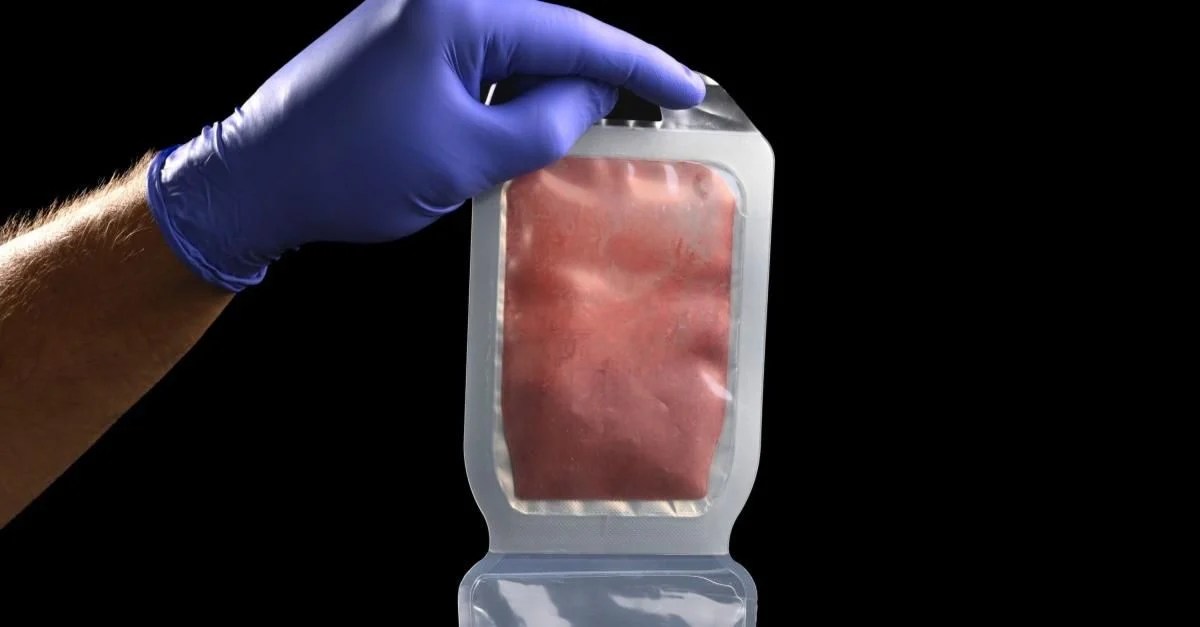
- ErythroMer: an oxygen carrier based on hemoglobin encapsulated in lipid nanoparticles, which avoids toxicity issues and allows powder storage for up to two years.
- SynthoPlate: synthetic platelets with specialized peptides that mimic the natural function of platelets, capable of being stored for over a year at room temperature and three months at extreme temperatures.
Both products are designed to be rapidly rehydrated in the field and are in advanced testing stages.
Global Alternatives and Challenges
Researchers in the UK and Japan are working on cultured and encapsulated blood cells. However, large-scale production, clinical efficacy, and integrating synthetic components to replicate the multiple functions of natural blood remain challenges to overcome.
Debate and Perspectives
Experts point out that although it is unlikely all functions of natural blood will be replicated, partial solutions may be sufficient to save lives in emergencies. Additionally, there is high pressure to accelerate regulatory approval and industrial production, with Murray aiming to deliver these products by 2029.
Support this cause by donating here.
Stay updated on Hemostasis Today.
-
Nov 2, 2026, 12:09Alejandro González Veliz: When More Calcium Means More Stability
-
Nov 2, 2026, 11:56Rob Maloney: Strengthening Patient Advocacy in Bleeding Disorders
-
Nov 2, 2026, 11:46William McKeown: Advancing Gene and Cell Therapies for Inherited Bleeding Disorders
-
Nov 2, 2026, 11:41Anawat Ratchatorn: Identifying Stroke Mimics in the Emergency Department
-
Nov 2, 2026, 11:29Shruti Gadgil: AI-Powered Smartphone Screening for Anemia Severity in Rural India
-
Nov 2, 2026, 10:41Paulus Kirchhof: Smoking or Vaping – Nicotine Still Affects Vascular Health
-
Nov 2, 2026, 10:30Asesa Omullo: Connecting Sickle Cell Advocates at GANSID 2026
-
Nov 2, 2026, 10:18Salih Ehsan: Beyond IRIDA – Conditions That Mimic Iron-Refractory Anemia
-
Nov 2, 2026, 10:03Christian Heiss: Can Switching to E-Cigarettes Improve Vascular Health?