


Alejandro González Veliz: Why Heart Attacks in Women Can Be More Complex Than a Simple Blockage
Alejandro González Veliz, Interventional Cardiologist at Institute of Cardiology and Cardiovascular Surgery, shared a post on LinkedIn:
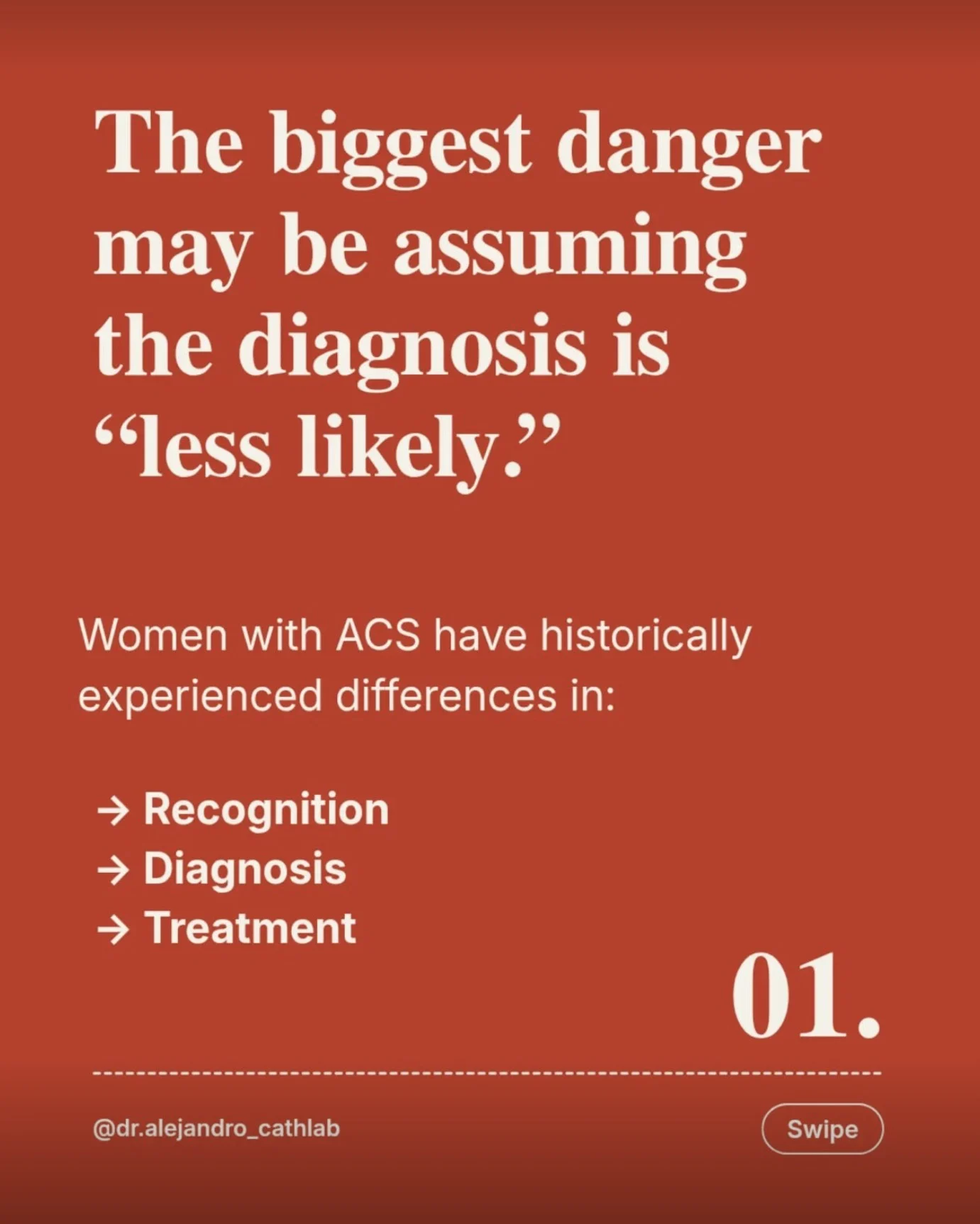
“Why are women’s heart attacks different?
The answer goes far beyond the symptoms.
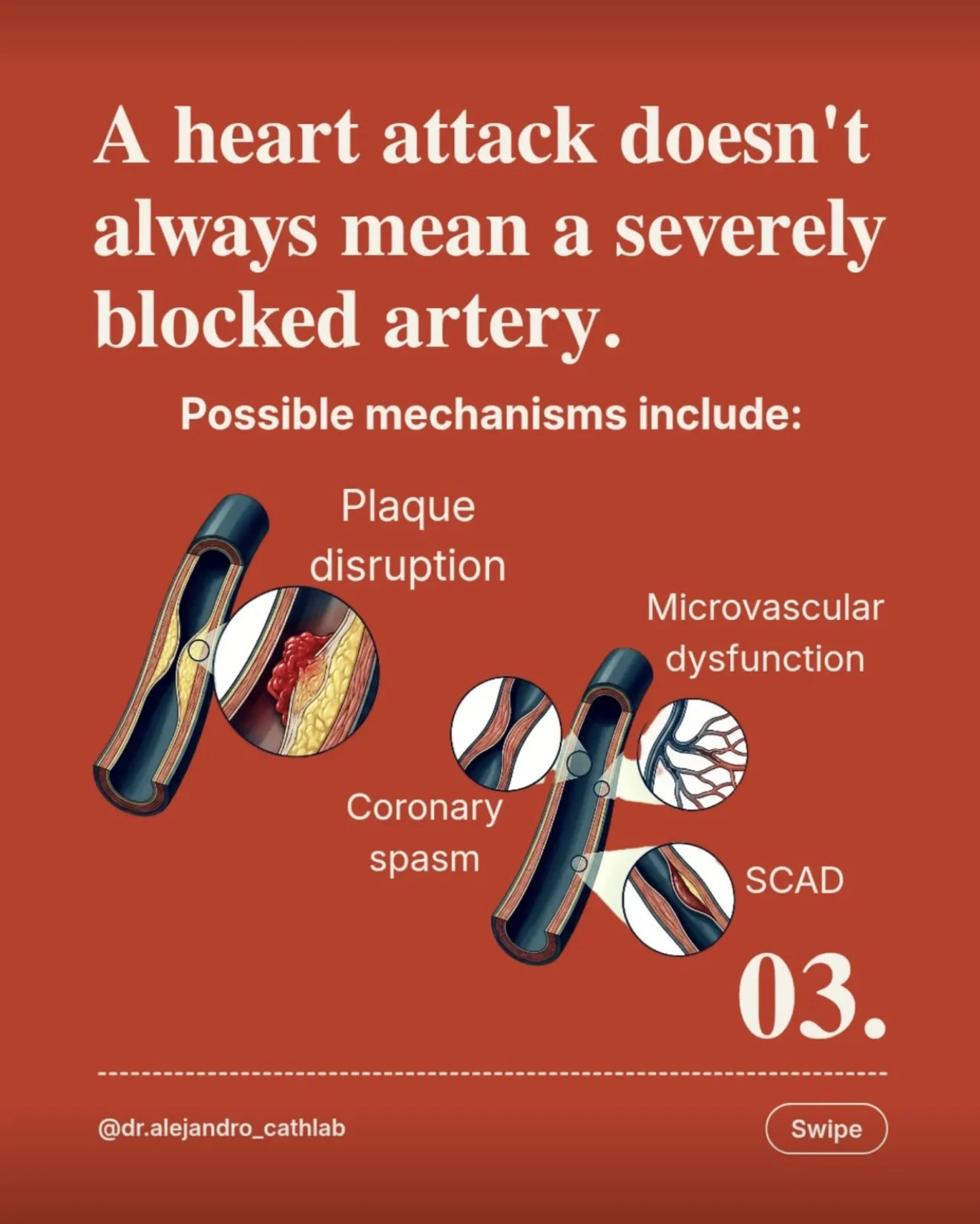
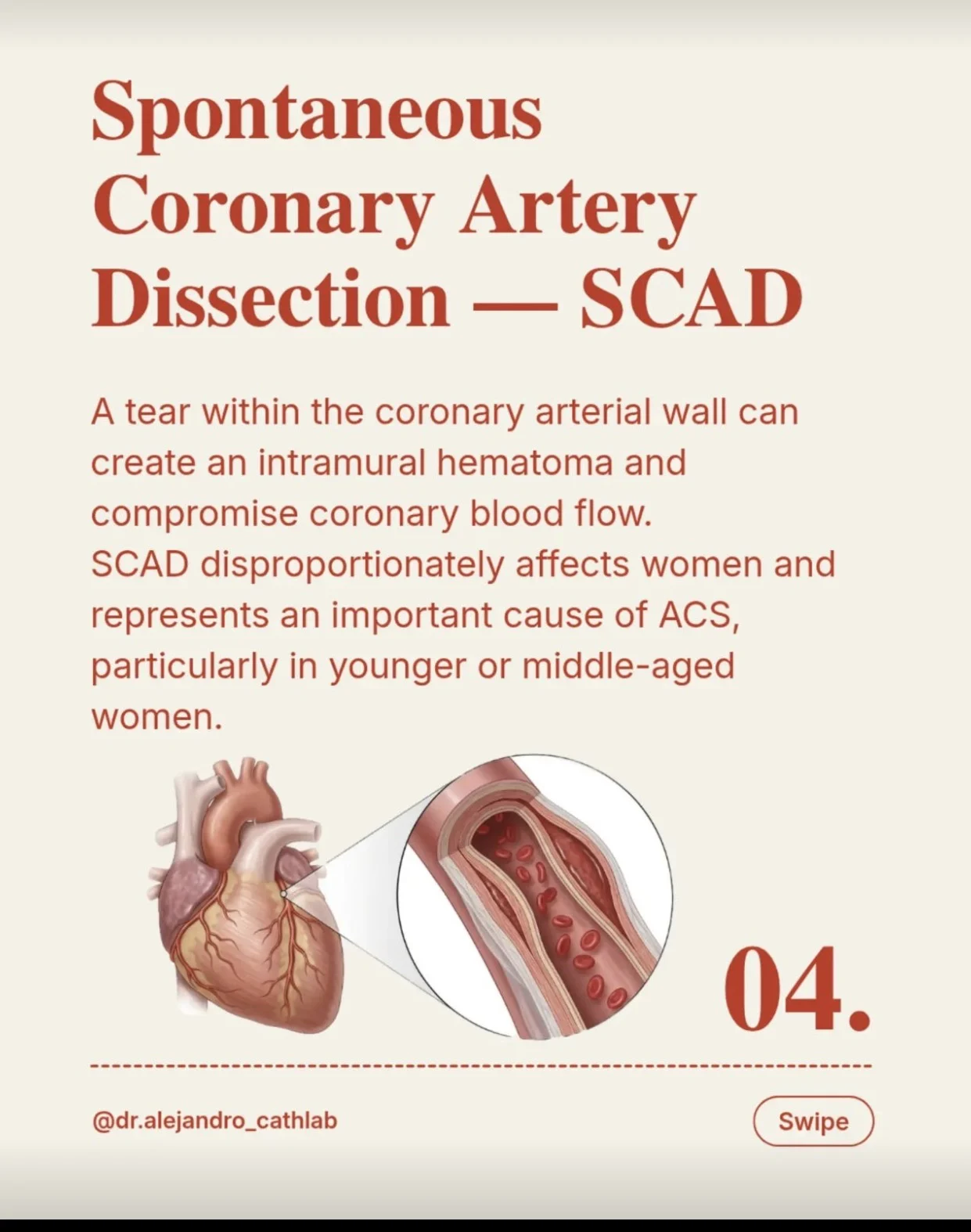
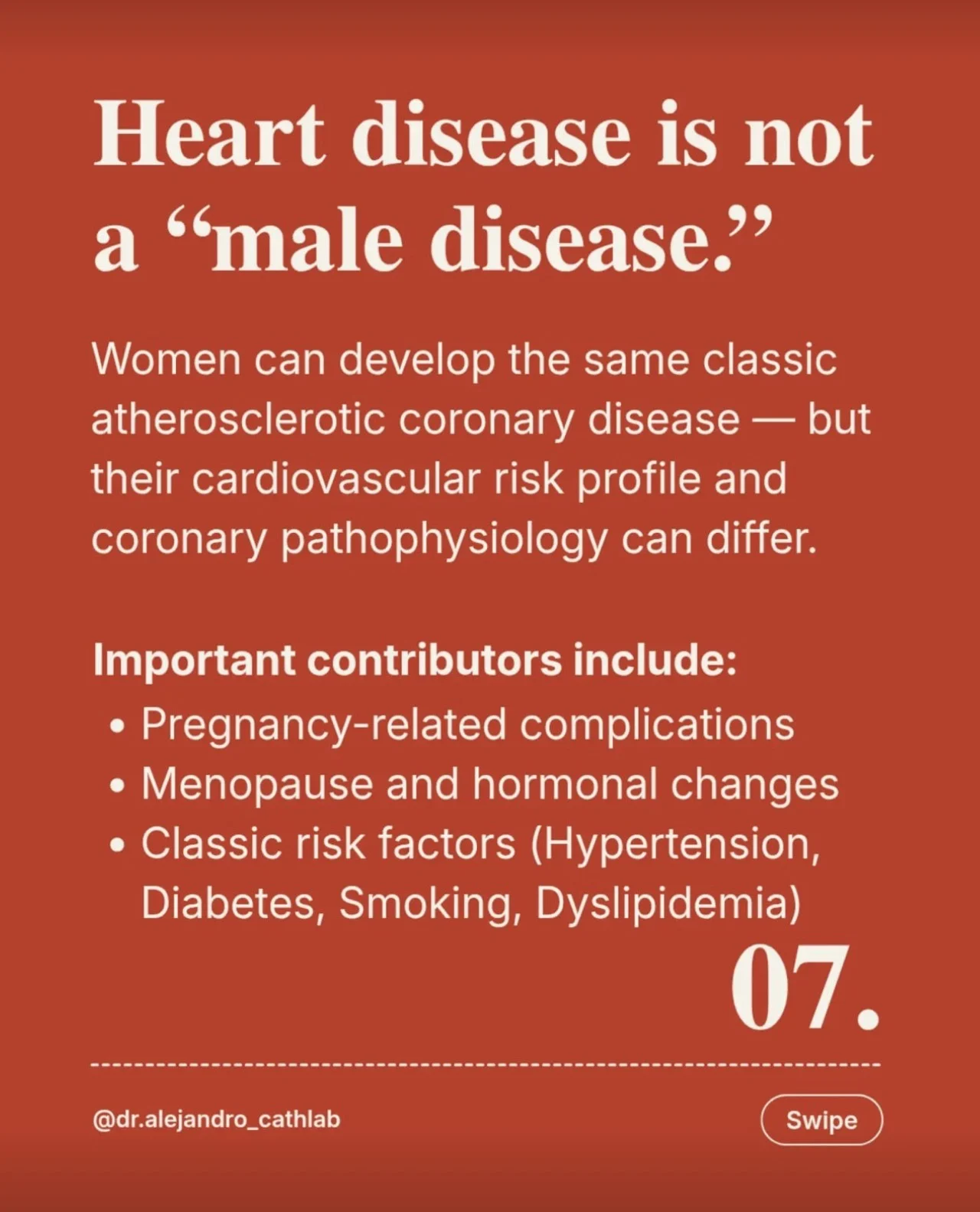
Women can develop the same classic atherosclerotic coronary disease as men, but acute coronary syndromes may also involve mechanisms that are more frequently encountered in women — including SCAD, coronary vasospasm, coronary microvascular dysfunction, and MINOCA.
And there is an important misconception to avoid:
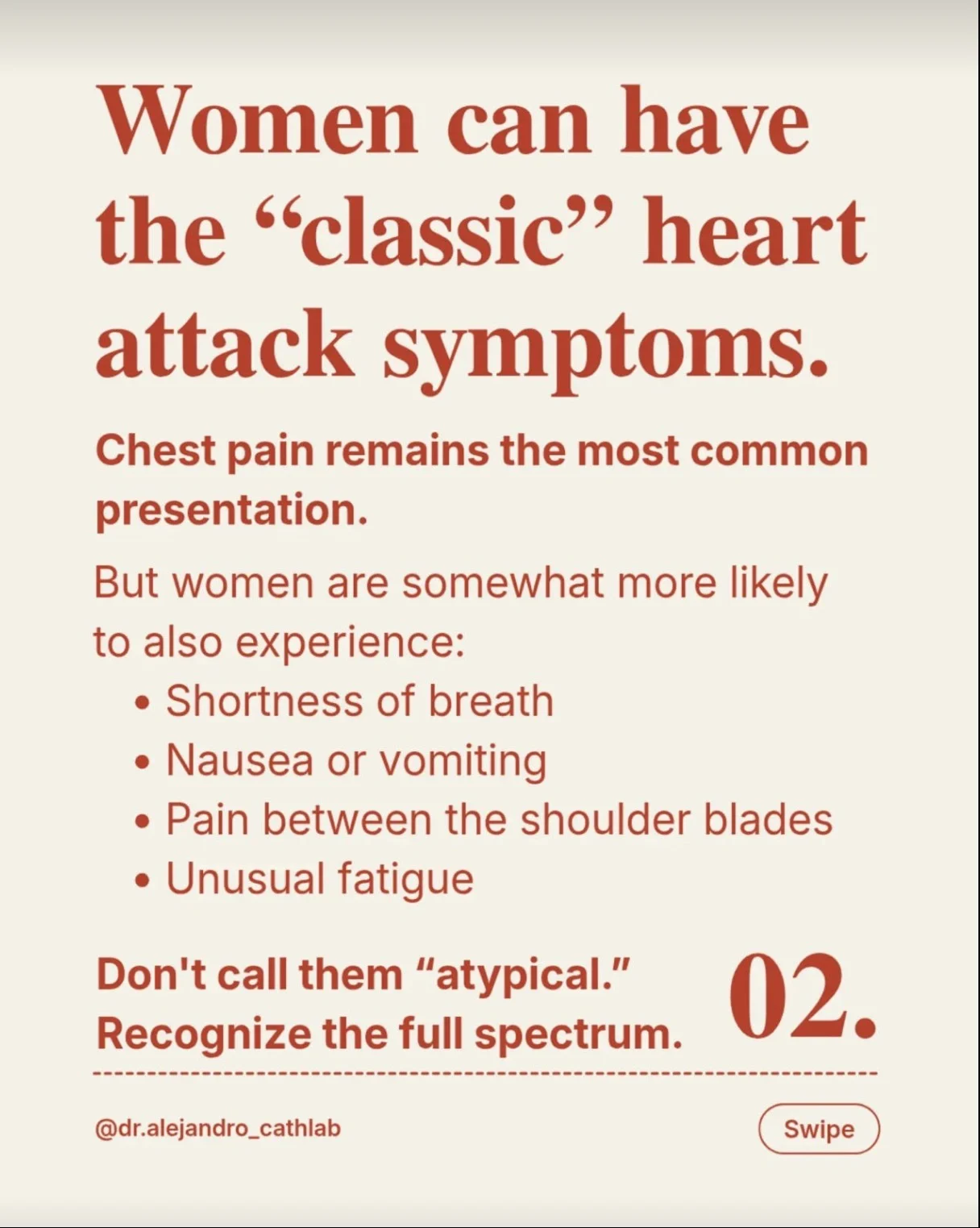
Women do not necessarily have ‘atypical’ heart attack symptoms.
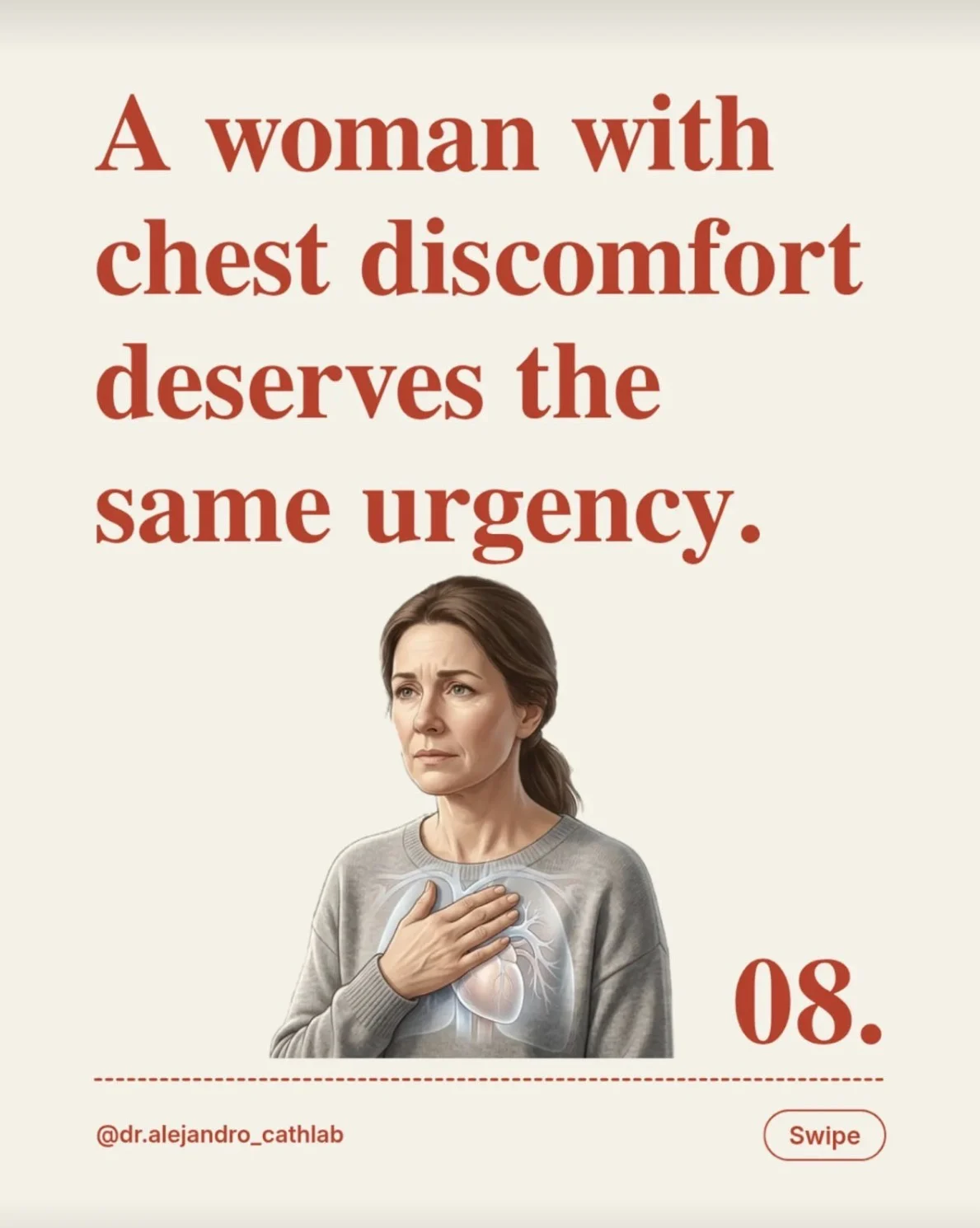
Chest pain or discomfort remains the most common presentation.
However, women may also experience symptoms such as dyspnea, nausea, unusual fatigue, or pain in other areas.
The challenge is that the underlying mechanism may sometimes be less obvious.
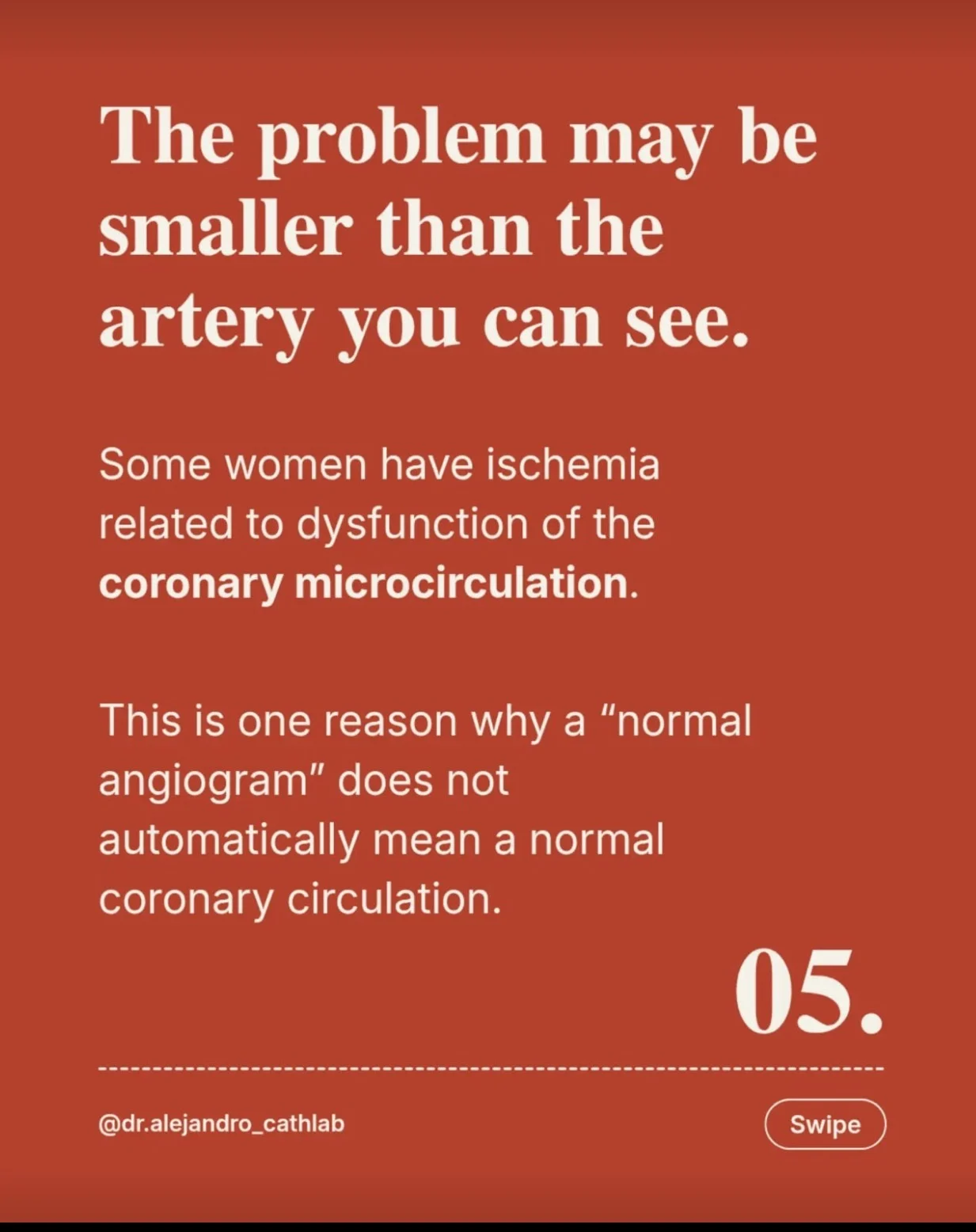
A coronary angiogram without a major obstructive lesion does not automatically mean that nothing happened.
MINOCA is a working diagnosis, not the final diagnosis.
The next question should be:
- What caused the myocardial infarction?
- Was it plaque disruption?
- SCAD?
- Spasm?
- Microvascular dysfunction?
- Coronary embolism?
- Or another mechanism?
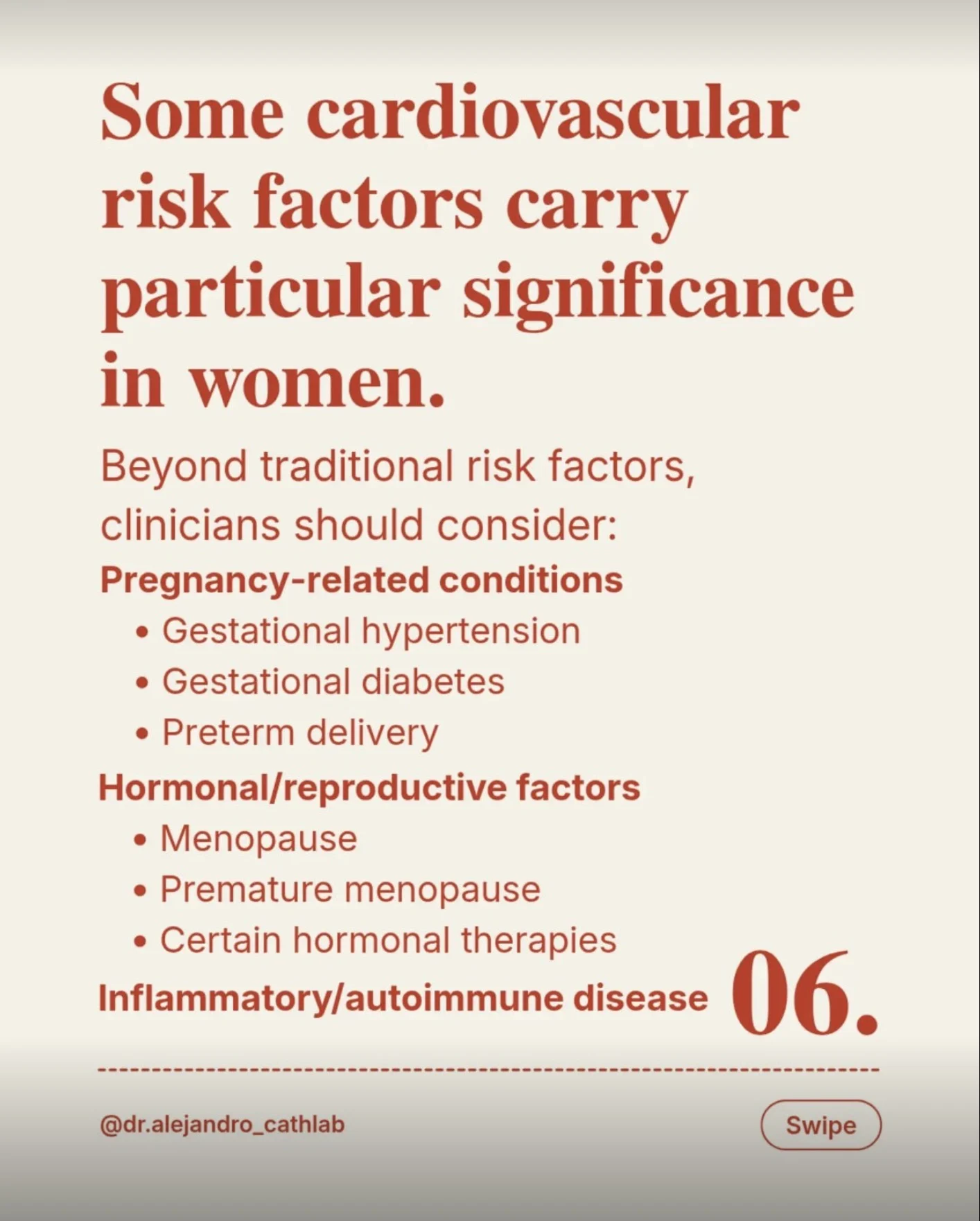
Women also have sex-specific cardiovascular risk factors that deserve attention, including pregnancy-related complications such as preeclampsia and gestational diabetes, premature menopause, and other conditions that may modify long-term cardiovascular risk.
The goal is not to create a completely different approach to women.
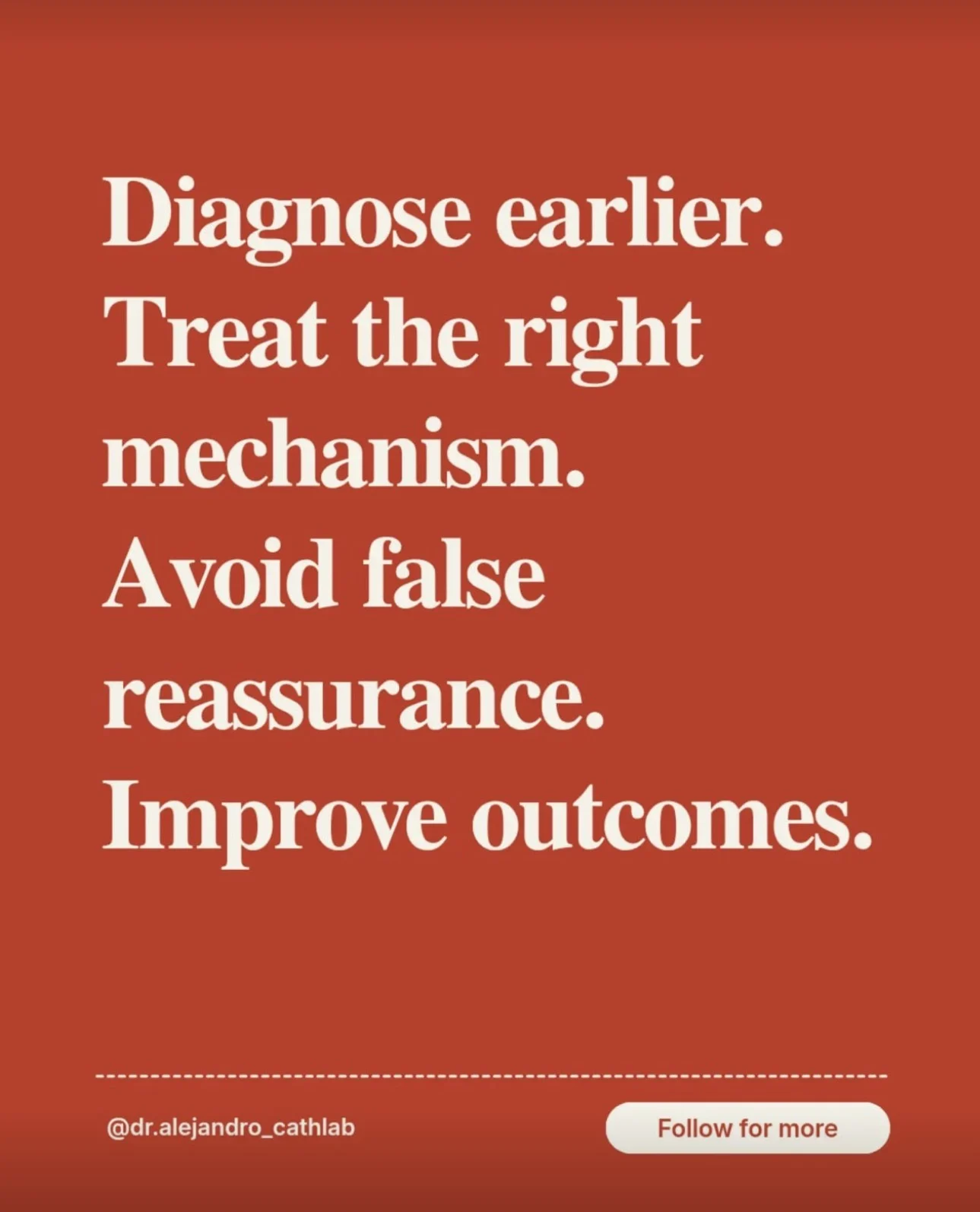
The goal is precision:
- Recognize symptoms promptly
- Avoid false reassurance
- Identify the mechanism
- Apply evidence-based treatment
- Consider the factors that may be particularly relevant in women
A ‘normal-looking’ coronary angiogram does not always mean a normal coronary circulation.
And perhaps the most important question is not simply:
‘Is there a blockage?’
but:
‘Why did this patient have a myocardial infarction?’
Educational content only. This post does not replace individualized medical evaluation.”
Other posts featuring Alejandro González Veliz on Hemostasis Today.
-
Sep 16, 2026, 04:58Thomas Dayspring – Your LDL Is Normal – But Are You Really Safe?
-
Sep 16, 2026, 04:50Seema Dawood: Why Some Red Cells Break While Others Survive?
-
Sep 16, 2026, 04:42GNE-Related Thrombocytopenia – Novel Findings – JTH
-
Sep 16, 2026, 04:40Managing Acute Emergencies in Thalassaemia and Sickle Cell Disease – TIF
-
Sep 16, 2026, 03:21Linda Shore-Lesserson: Dr. Nadia Hensley Delivers Visiting Lecture on Platelet Function Testing
-
Sep 16, 2026, 03:13Enrique Chacon-Cruz: Thrombocytopenia and ITP Risk After Vaccination
-
Sep 15, 2026, 23:35Katya McCarthy: From Lab Specialist to Patient – Facing Polycythemia and Venous Thrombosis
-
Sep 15, 2026, 23:19Narat Srivali: Chronic Preoperative Corticosteroid Use Associated with 51% Higher Postoperative VTE Risk
-
Sep 15, 2026, 23:13Grace M Thomas: Join 3rd edition of the Neutrophil Club of SFI Webinar Series on Thromboinflammation