

Azlyat Mahmoud: Neuro-Hematology – Where Blood Disorders Meet Neurological Science
Azlyat Mahmoud, Medical Laboratory Specialist at AI-Rahma Diagnostic and Therapeutic Centre, shared a post on LinkedIn:
“Neuro-Hematology: Where Blood Disorders Meet Neurological Science
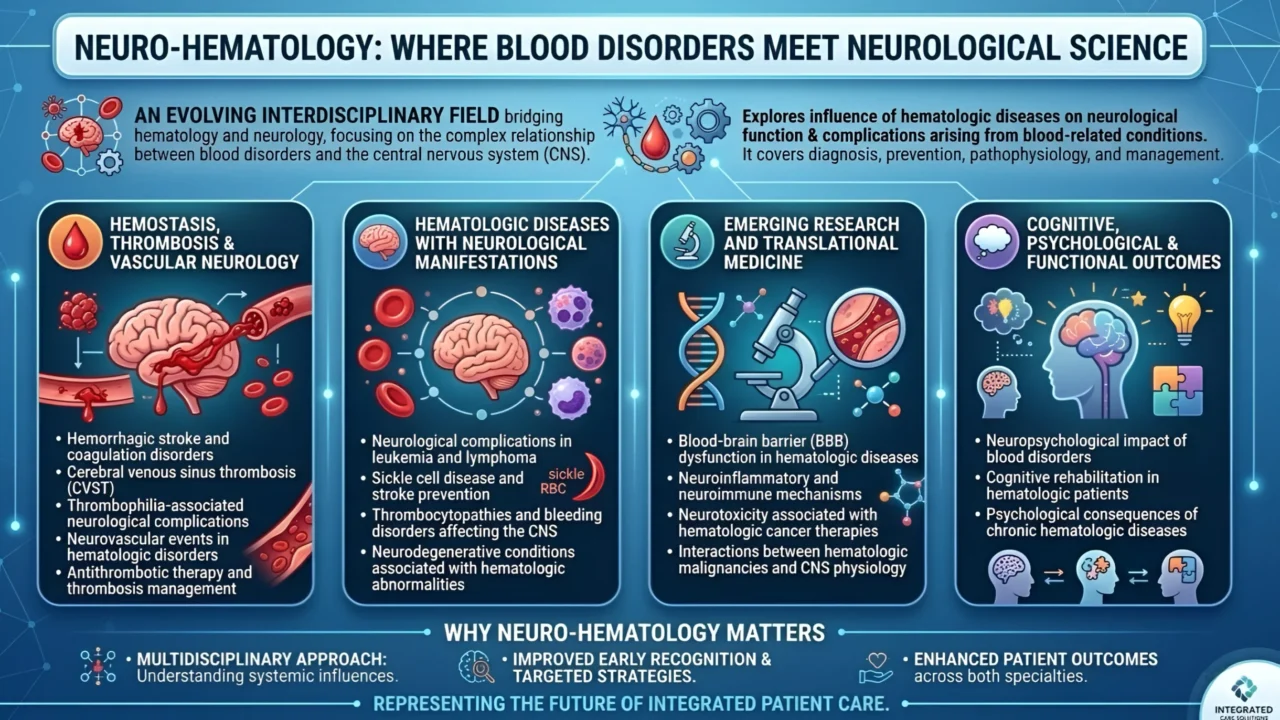
Neuro-hematology is an evolving interdisciplinary field that bridges hematology and neurology, focusing on the complex relationship between blood disorders and the central nervous system (CNS).
This specialty explores how hematologic diseases can influence neurological function and how neurological complications may arise from blood-related conditions.
Its scope spans diagnosis, prevention, pathophysiology, and management of disorders affecting both systems.
Key Areas Within Neuro-Hematology Include:
Hemostasis, Thrombosis and Vascular Neurology
- Hemorrhagic stroke and coagulation disorders
- Cerebral venous sinus thrombosis (CVST)
- Thrombophilia-associated neurological complications
- Neurovascular events in hematologic disorders
- Antithrombotic therapy and thrombosis management
Hematologic Diseases with Neurological Manifestations
- Neurological complications in leukemia and lymphoma
- Sickle cell disease and stroke prevention
- Thrombocytopathies and bleeding disorders affecting the CNS
- Neurodegenerative conditions associated with hematologic abnormalities
Emerging Research and Translational Medicine
- Blood–brain barrier (BBB) dysfunction in hematologic diseases
- Neuroinflammatory and neuroimmune mechanisms
- Neurotoxicity associated with hematologic cancer therapies
- Interactions between hematologic malignancies and CNS physiology
Cognitive, Psychological and Functional Outcomes
- Neuropsychological impact of blood disorders
- Cognitive rehabilitation in hematologic patients
- Psychological consequences of chronic hematologic diseases
Why Neuro-Hematology Matters
As medicine becomes increasingly multidisciplinary, Neuro-Hematology highlights the importance of understanding how systemic blood disorders can influence neurological health-and vice versa.
Advancements in this field are improving early recognition, targeted treatment strategies, and patient outcomes across both specialties.
Neuro-Hematology represents more than the overlap between two disciplines-it represents the future of integrated patient care.”
Stay updated with Hemostasis Today.
-
Oct 26, 2026, 16:40Elena Torre: Rethinking Iron Management in Polycythemia Vera
-
Oct 26, 2026, 16:31Tara King: Building Connections in Transfusion Medicine at AABB
-
Oct 26, 2026, 16:16Wendy Jean Schell: How Genetics and Supplements May Influence Bleeding Risk
-
Oct 26, 2026, 15:37Sally Mandour: Lupus Anticoagulant-The Tree Key Diagnostic Criteria
-
Oct 26, 2026, 15:37Aryabhatta Sadhu: Intrauterine Red-Cell and Platelet Transfusion in Fetal Medicine
-
Oct 26, 2026, 15:25Christine Tunkl: Telestroke – Expanding Access to Evidence-Based Stroke Care
-
Oct 26, 2026, 15:13Heghine Khachatryan: Approaching Thrombocytopenia Through Mechanism and Clinical Context
-
Oct 26, 2026, 15:03Quentin Eichbaum։ AABB 2026 Annual Meeting Personal Highlights
-
Oct 26, 2026, 14:57A Father’s Marathon Journey Inspired by His Son – National Bleeding Disorders Foundation