

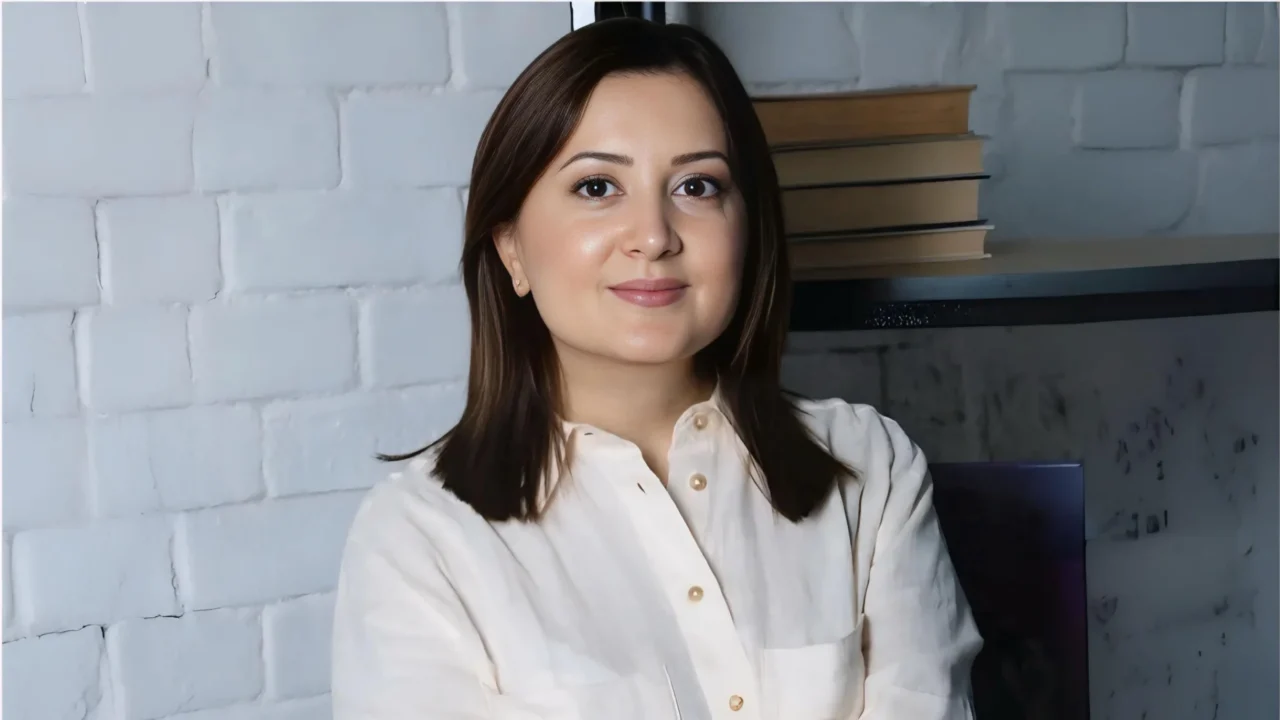
Heghine Khachatryan: Colombo 2026 Insights on Point-of-Care Ultrasound in Hemophilia Joint Care
Heghine Khachatryan, Editor-in-Chief of Hemostasis Today, Head of Hemophilia and Thrombosis Center at Yeolyan Hematology and Oncology Center, shared a post on LinkedIn:
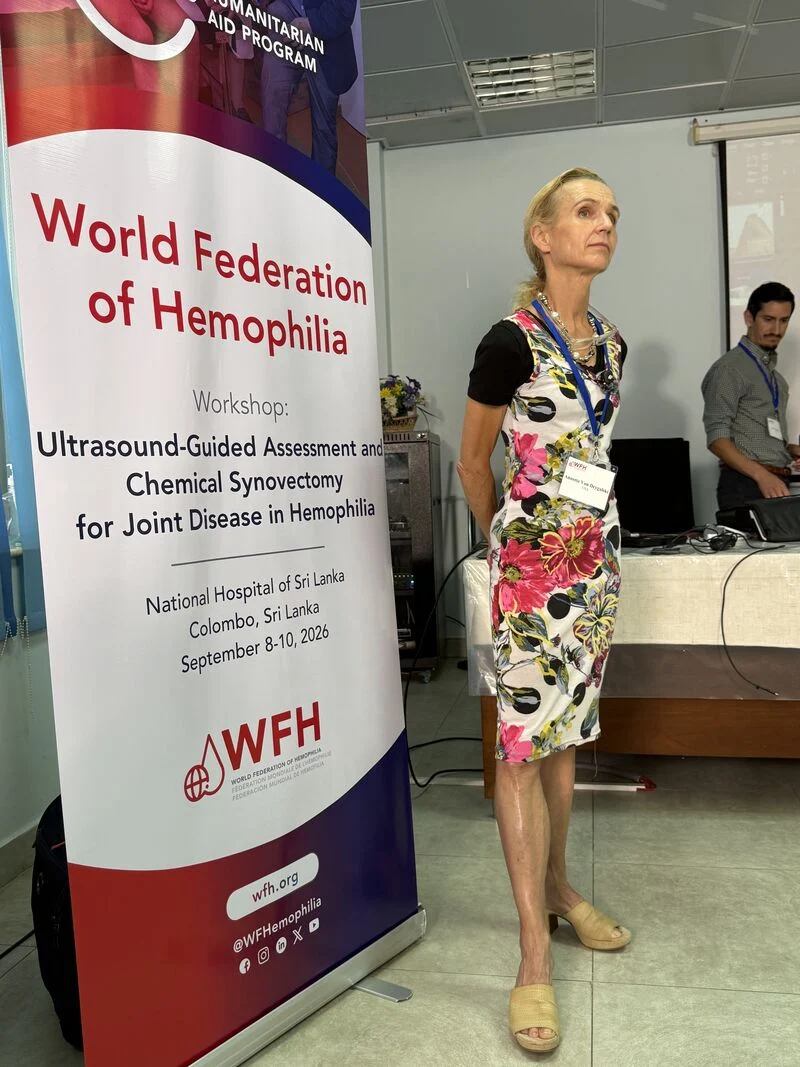
”Colombo, Sri Lanka | 8–10 September 2026
During the World Federation of Hemophilia (WFH) workshop, ‘Ultrasound-Guided Assessment and Chemical Synovectomy for Joint Disease in Hemophilia,’ Professor Annette von Drygalski delivered an insightful lecture on the integration of point-of-care musculoskeletal ultrasonography (POC MSKUS) into comprehensive hemophilia care.
A central message was that focused ultrasonography should address clearly defined clinical questions:
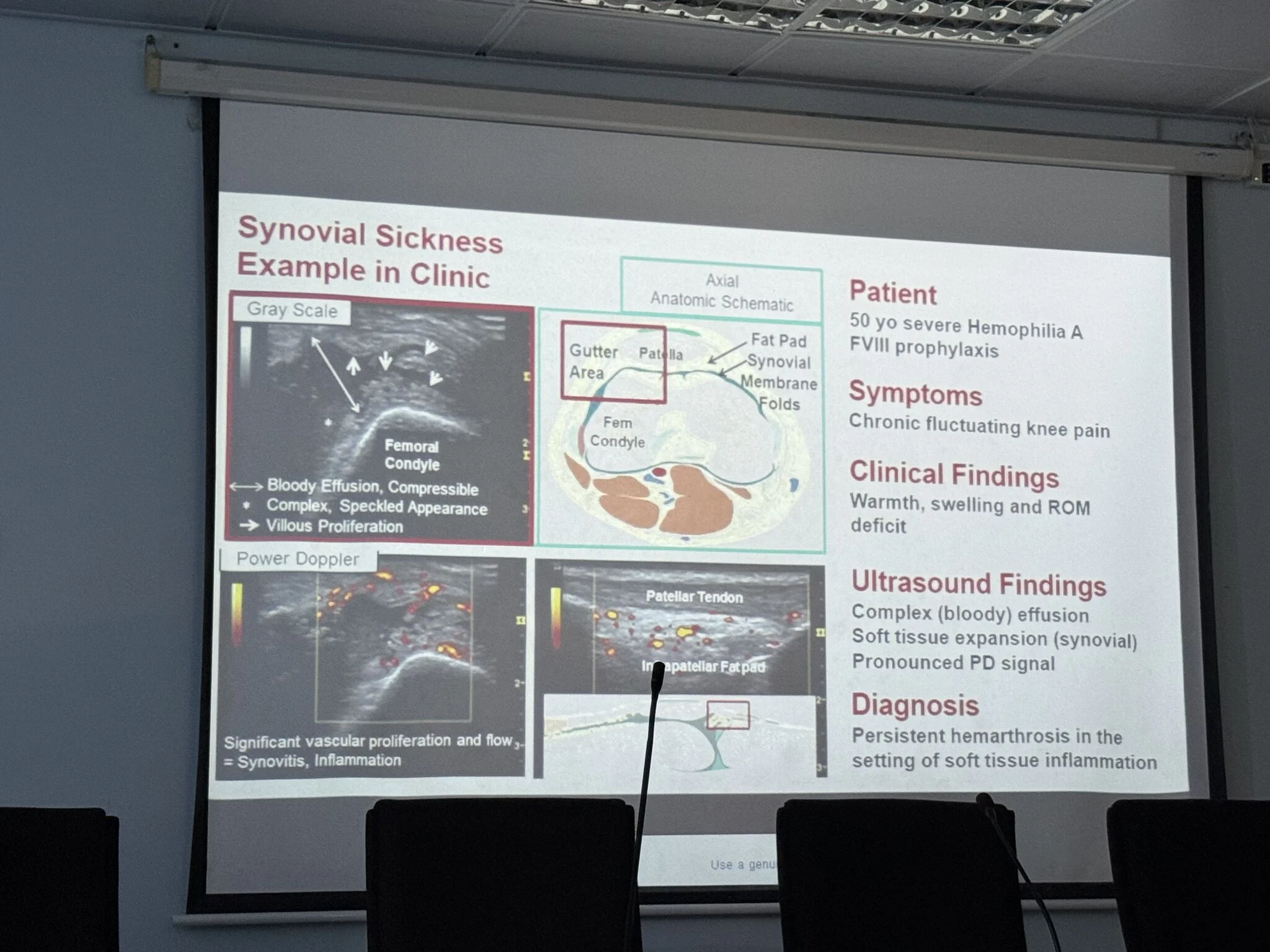
- Is a joint effusion present, and is it hemorrhagic?
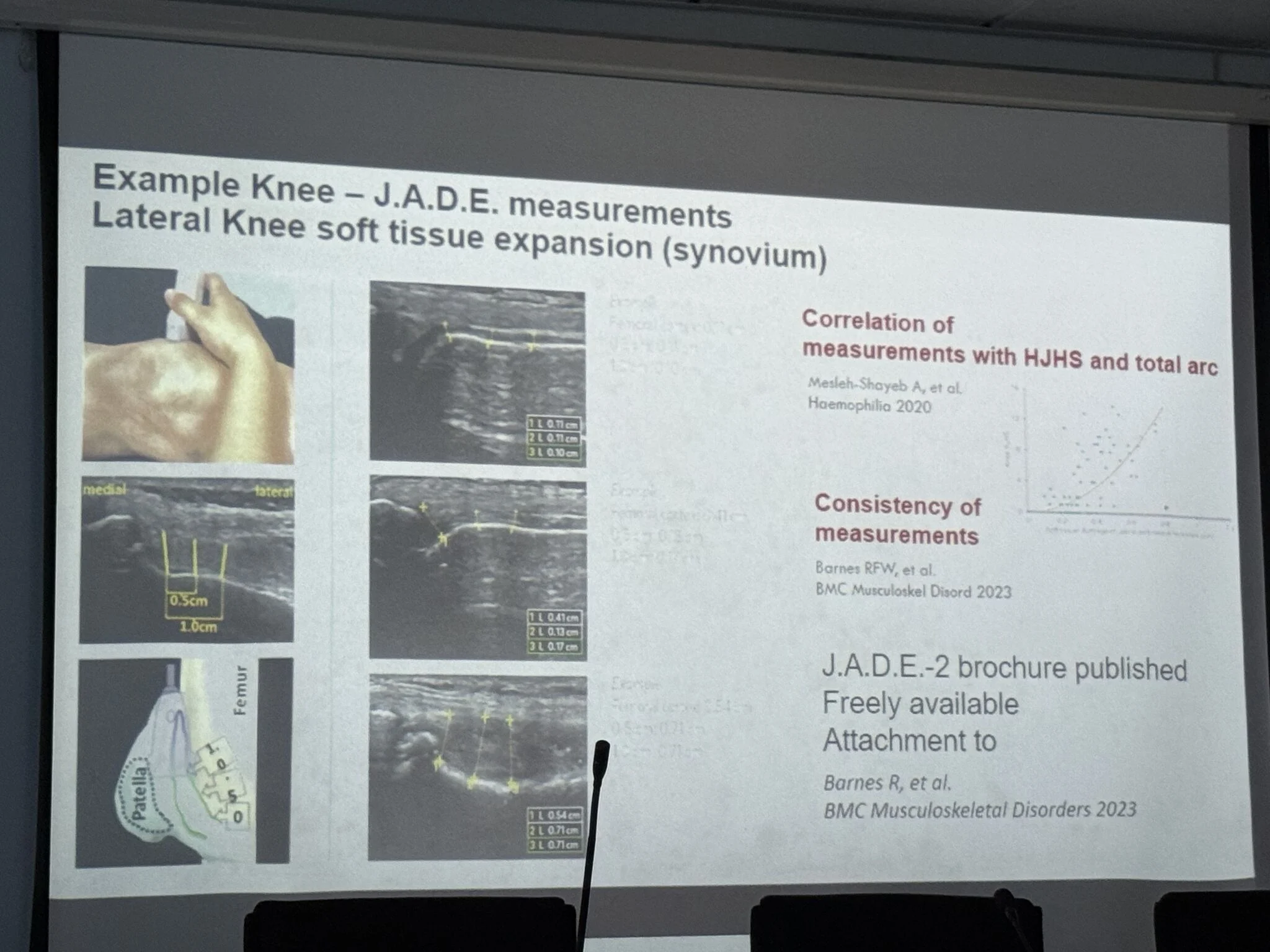
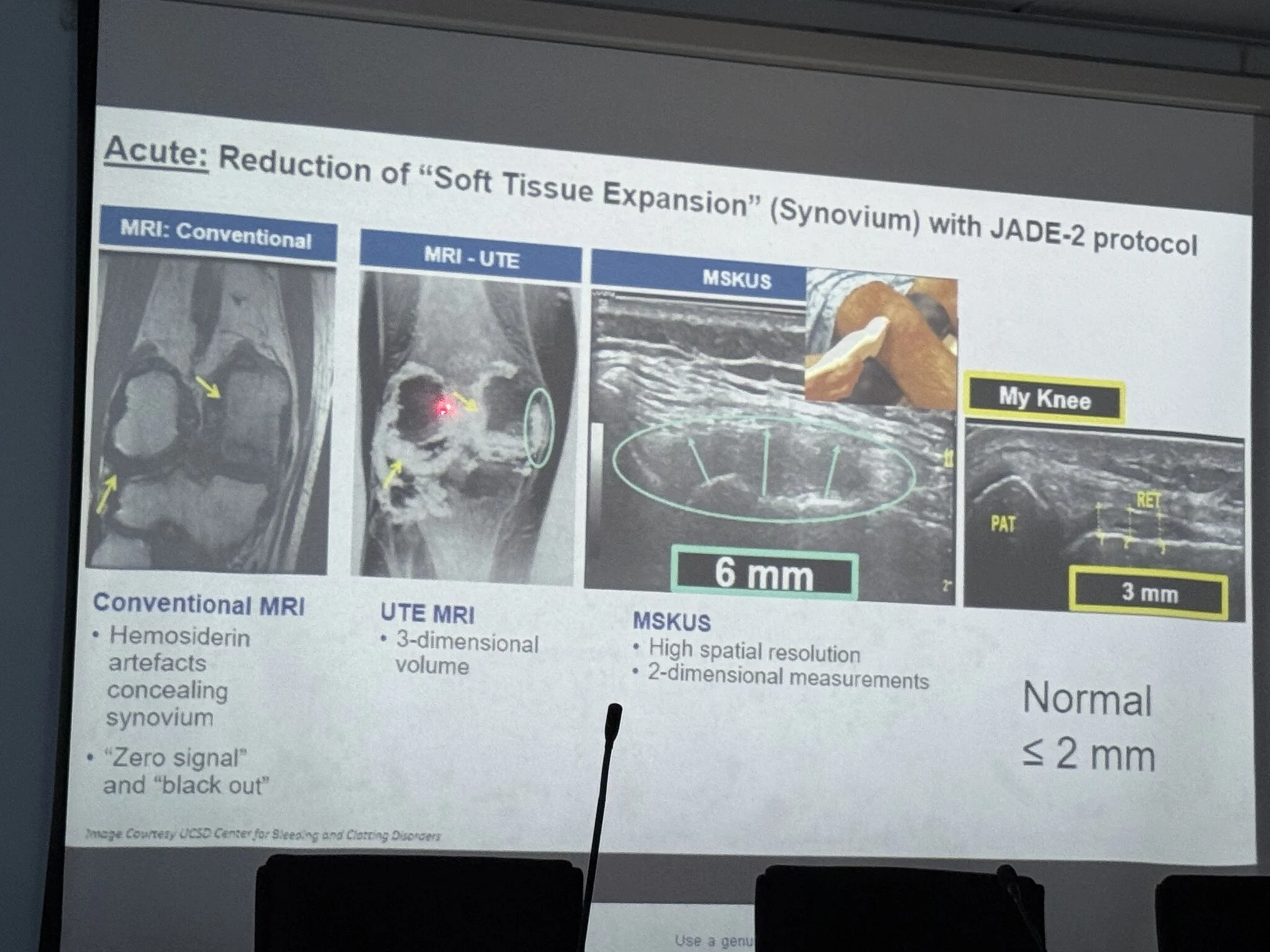
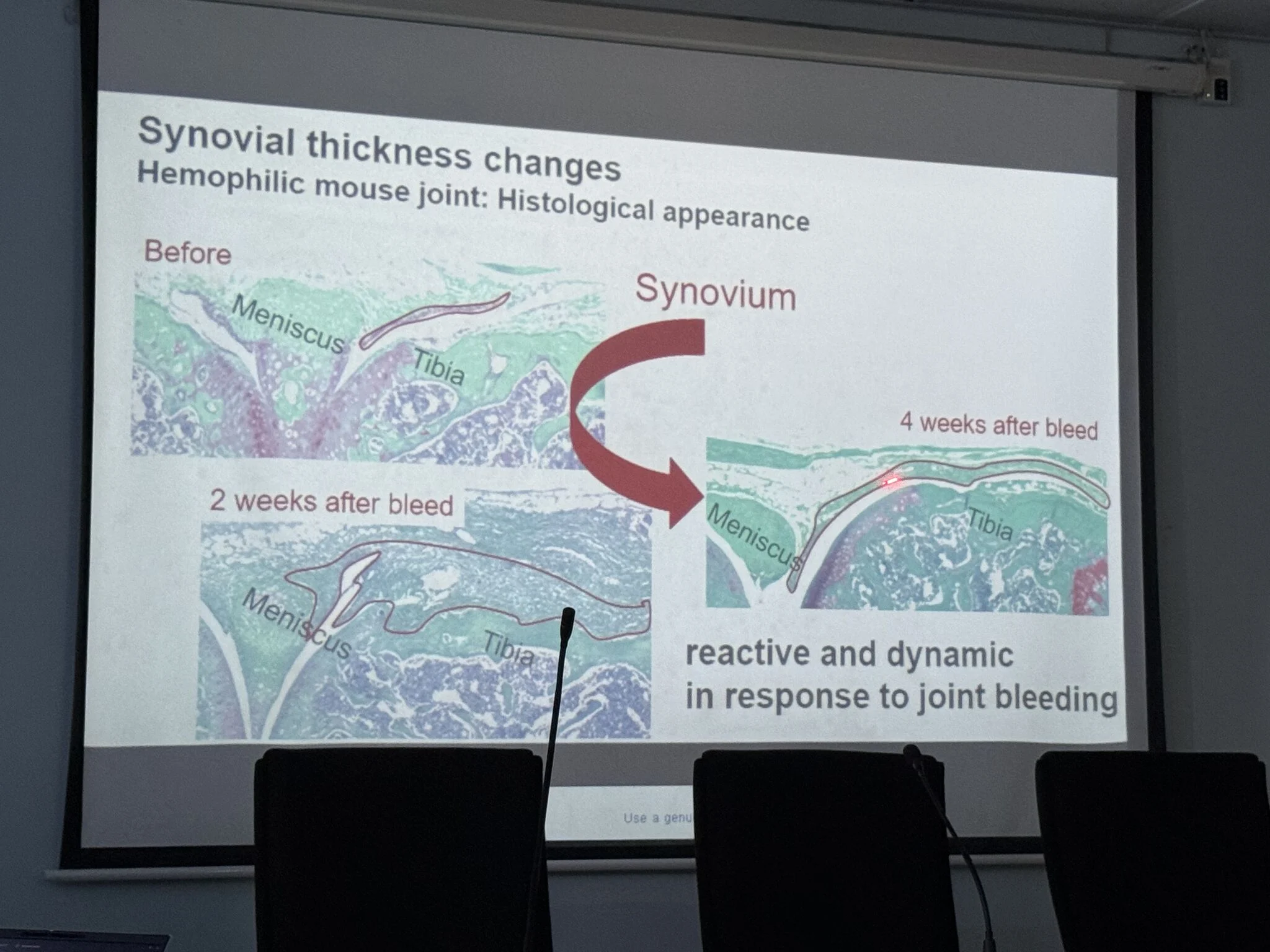
- Is there synovial hypertrophy or soft-tissue expansion?
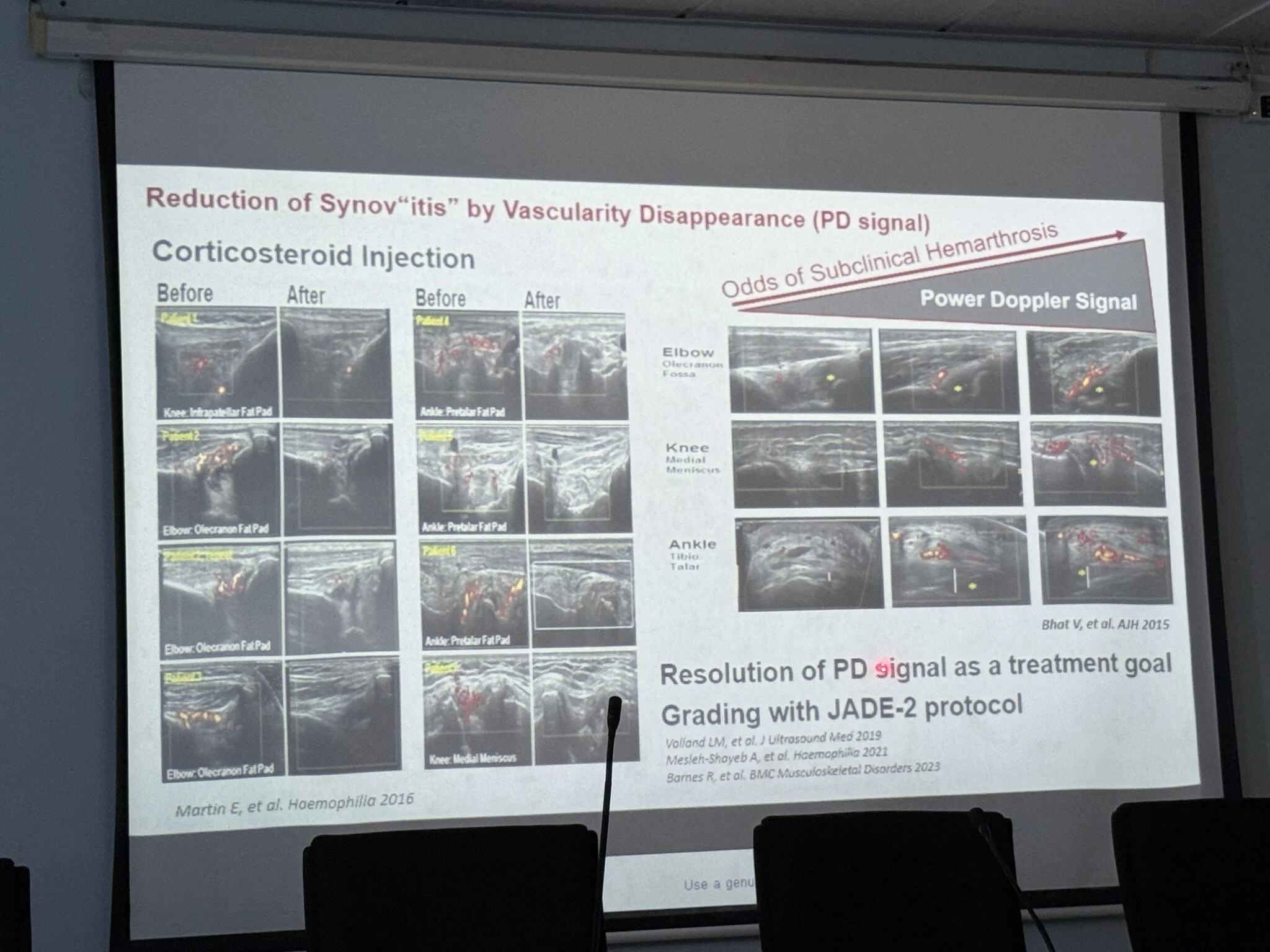
- Is active vascularity or inflammation detectable by Power Doppler?
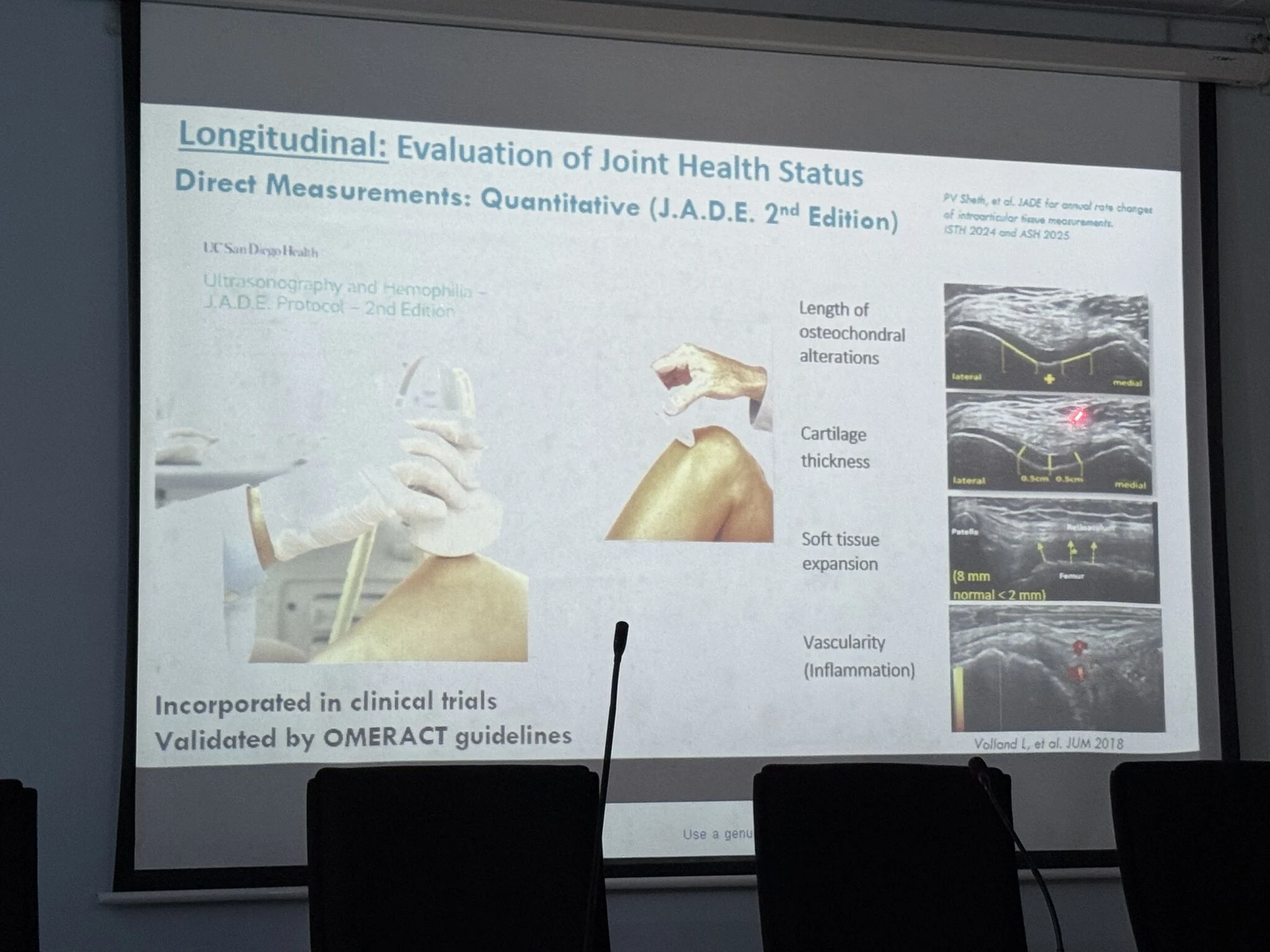
- Are cartilage or osteochondral abnormalities present?
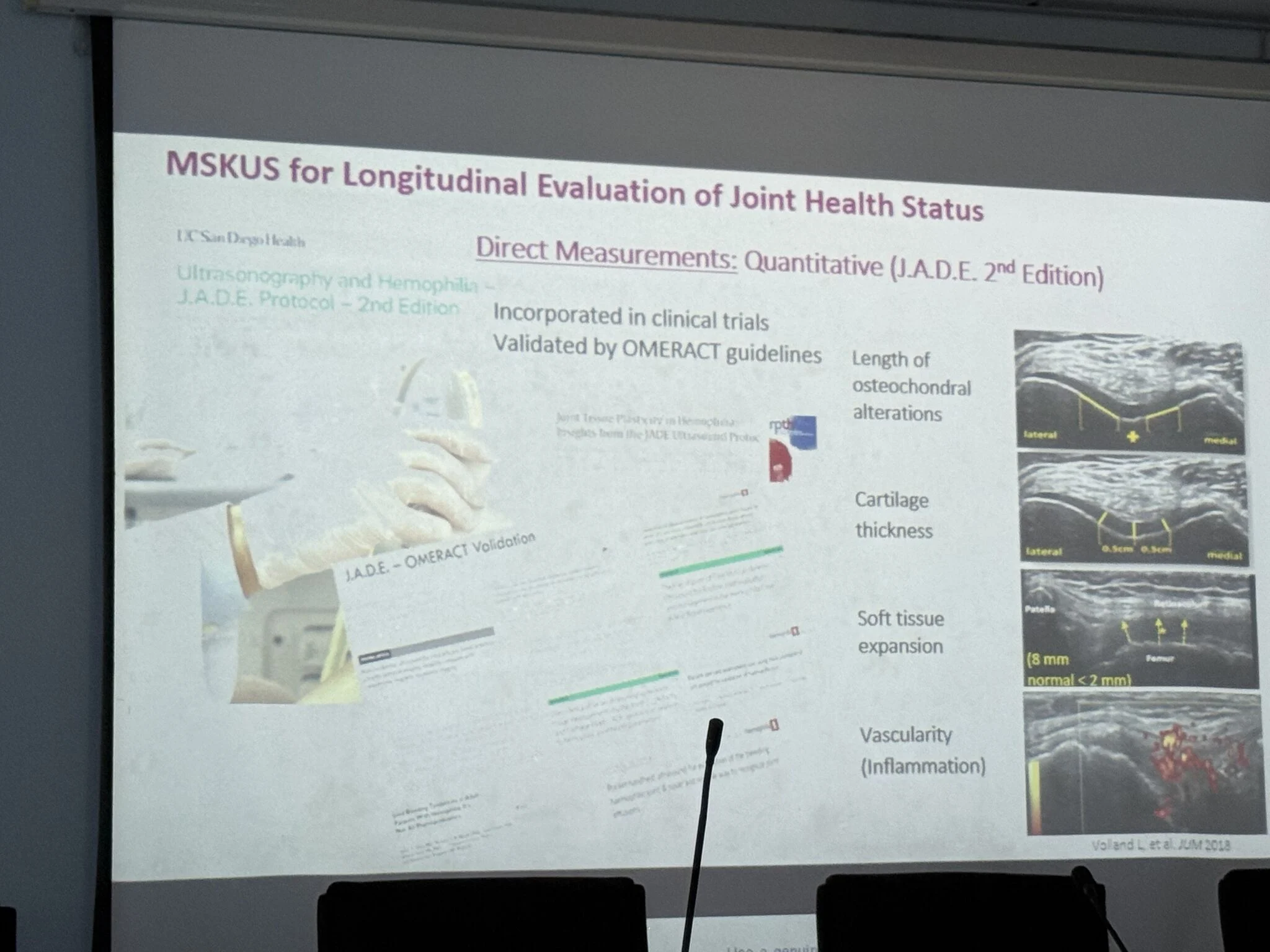
The standardized J.A.D.E.-2 protocol enables quantitative and longitudinal assessment of osteochondral alterations, cartilage thickness, synovial expansion, and vascularity. These measurements can support routine clinical decision-making and help evaluate therapeutic response following synovial ablation or chemical synovectomy.
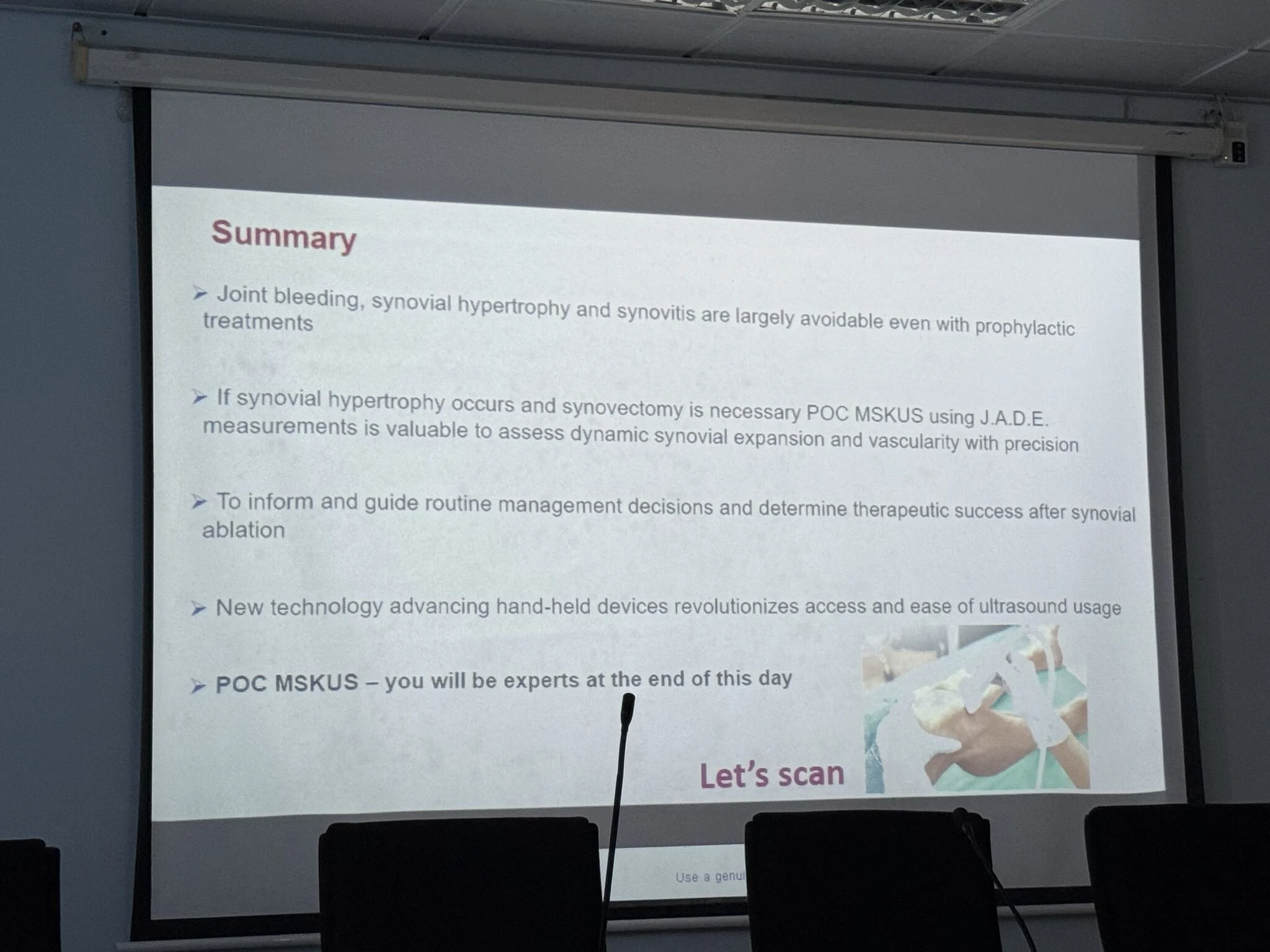
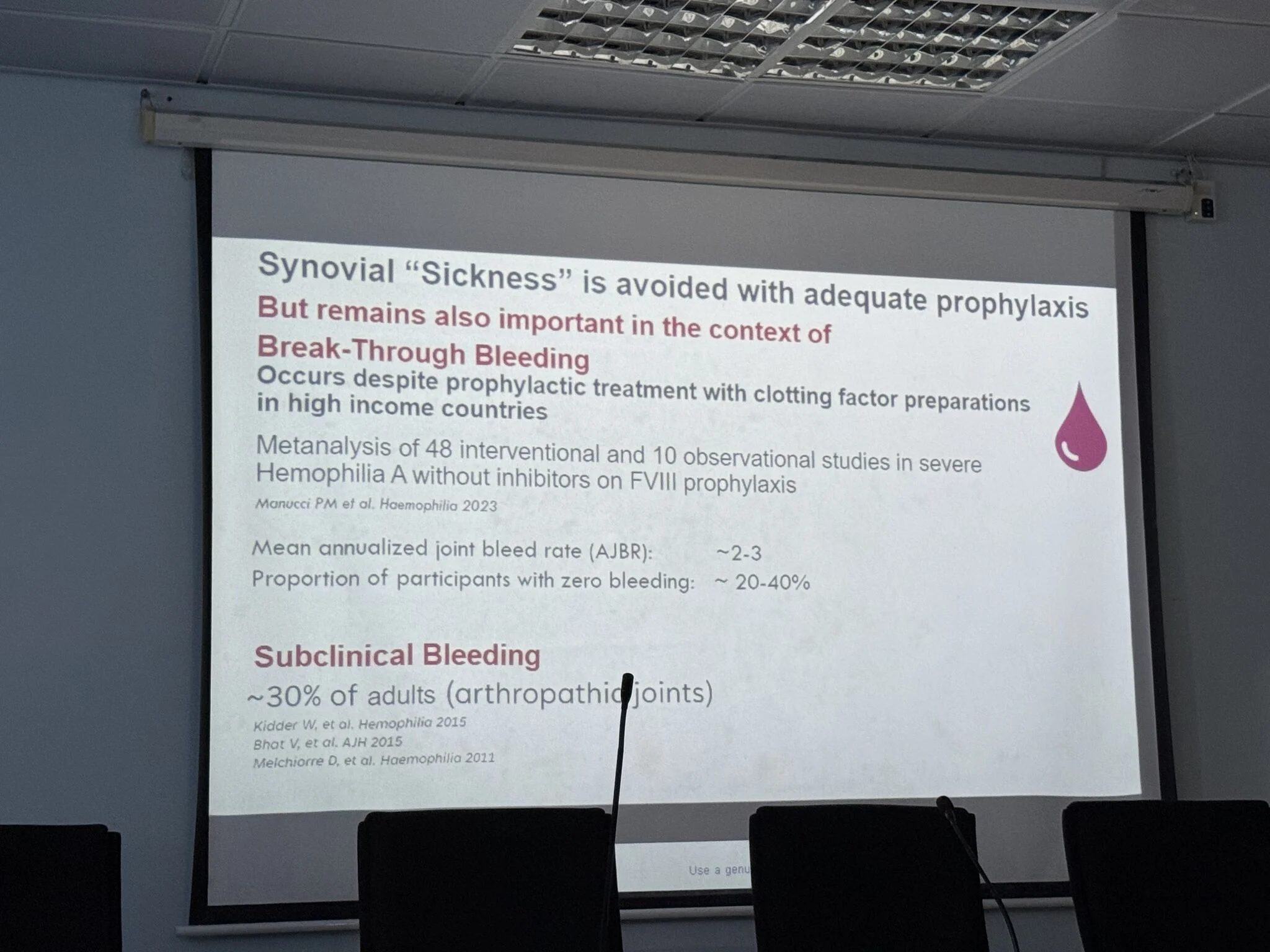
An especially important point was that breakthrough and subclinical joint bleeding may occur despite prophylactic treatment. Therefore, the absence of clinically evident bleeding does not necessarily indicate the absence of active joint pathology. Persistent complex effusion, synovial expansion, and a pronounced Power Doppler signal may reveal ongoing hemarthrosis within inflamed synovial tissue and prompt timely therapeutic intervention.
POC MSKUS does not replace comprehensive radiological assessment or MRI. However, when performed by appropriately trained clinicians within a clearly defined scope, it represents a rapid, repeatable, and clinically actionable tool for the early detection and longitudinal monitoring of hemophilic arthropathy.
Sincere appreciation to Professor Annette von Drygalski for this scientifically rigorous and highly practical lecture, and to the WFH for facilitating this valuable educational initiative.
Pleased to share these important clinical insights with the Hemostasis Today professional community, supporting continued knowledge exchange and the translation of advances in hemostasis into improved patient care.”
Other posts featuring Heghine Khachatryan on Hemostasis Today.
-
Oct 9, 2026, 16:23David Boone: Distinguishing Stroke Prevention from Rhythm Control in Atrial Fibrillation
-
Oct 9, 2026, 15:27Mohamed Hegazi: Geostatistical Modelling Maps Global β-Thalassaemia Carrier Prevalence
-
Oct 9, 2026, 15:15Maha Othman: Uncovering the Consensus on TXA in TBI – Call for Collaboration on a Landmark Umbrella Review
-
Oct 9, 2026, 15:07Daniel D. Han: How Inhalation Product Exposure Impairs Cardiac and Platelet Recovery After MI
-
Oct 9, 2026, 14:58William Toole: How Ultrasound-Guided PRP Therapy Relieves Joint and Tendon Pain
-
Oct 9, 2026, 14:50Shayan Mohammadmoradi: In Corpus Christi for the 20th Midwest Platelet Conference
-
Oct 9, 2026, 14:37Tariq Tramboo: High Platelet Concentrate for Osteoarthritis Knee – Recent Meta-Analyses
-
Oct 9, 2026, 14:26Yousma Khan: Hematology Series – Beyond RBCs, WBCs and Platelets
-
Oct 9, 2026, 14:13Jesus Ardila Novoa: Why the WHO’s Historic Essential Medicines List Decision Is Just the Beginning