


Beth Fernandes: Bringing Alaska’s First Civilian Medevac Whole Blood Program To Life
Beth Fernandes, Clinical Director at Aircare Alaska, shared a post on LinkedIn:
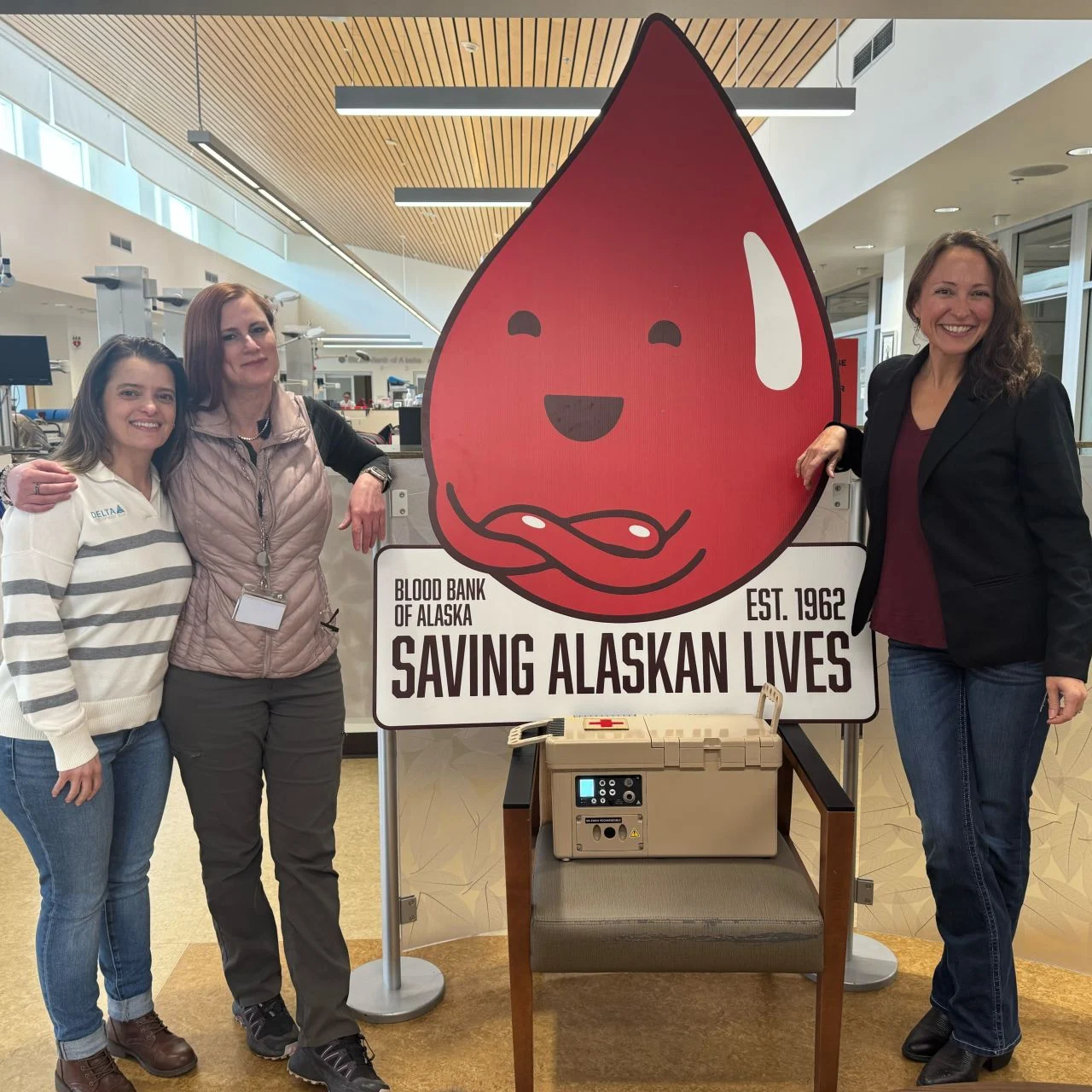
“Meet the women, I am so proud to work alongside, who brought Alaska’s first civilian medevac whole blood program to life.
This wasn’t a single initiative—it was a coordinated effort across clinical care, blood banking, and logistics to solve one problem: how to deliver the right resuscitation, at the right time, in one of the most remote and challenging environments in the world.
Why who
Because timing matters. In hemorrhagic shock, early, balanced resuscitation iscal—and whole blood allows us to bring that capability closer to the point of injury, rather than waiting hours for definitive care.
What the evidence shows:
- Early use of whole blood is associated with improved survival, particularly in trauma patients with hemorrhagic shock
- Whole blood provides balanced resuscitation (RBCs, plasma, and platelets) in a single product—mirroring what the patient is losing
- Studies demonstrate reduced total blood product utilization compared to component therapy
- Prehospital and military data consistently support earlier correction of coagulopathy and improved hemodynamics when whole blood is used closer to the time of injury
- Simplified logistics in austere environments: one product, faster delivery, fewer delays
This program exists because of true collaboration:
Dana Rich – Delta Development Team, Inc.
Driving the operational and logistical framework that makes prehospital storage and transport possible in extreme environments
Shelina – Blood Bank of Alaska
Ensuring clinical integrity, regulatory compliance, and safe blood product management—critical to making this sustainable
And myself – AirCare Alaska
Leading clinical implementation, training, and program development to bring whole blood directly to patients in the field
Together, we played a pivotal role in delivering Alaska’s first unit of prehospital whole blood—not just as a milestone, but as a shift in how we approach rural and remote trauma care.
To me, this is what advancing care looks like:
Bringing hospital-level interventions to the patient – when and where it matters most.”
Stay updated on all scientific advances with Hemostasis Today.
-
Sep 28, 2026, 13:48Can the Immune System Be Reprogrammed to Treat Aplastic Anemia?
-
Sep 28, 2026, 13:20Elif Susan Elcin։ PRP for Skin Rejuvenation – Is It Worth the Hype?
-
Sep 28, 2026, 13:07Alexandru Stieber: Looking Beyond MDS in VEXAS Syndrome
-
Sep 28, 2026, 12:53Shifa Maharani: Research Innovation and Recognition at JSMID 8th
-
Sep 28, 2026, 12:40Najmul Hasan Forhad: Platelets – The Unsung Heroes of Hemostasis
-
Sep 28, 2026, 12:29Turki Alqahtani: From Routine Testing to Specialized Hematology Diagnostics
-
Sep 28, 2026, 11:26Andra Tocarciuc: Immune TTP in 2026 – Moving Toward Plasma Exchange–Free Care
-
Sep 28, 2026, 11:13Nathan Pennell: 3 Questions That Matter for the Next Multiple Myeloma Treatment
-
Sep 28, 2026, 11:00Oren Rom: Connecting Amino Acid and Lipid Metabolism in MASH