

Sex Differences In Secondary Stroke Prevention – European Stroke Organisation
European Stroke Organisation shared a post on LinkedIn:
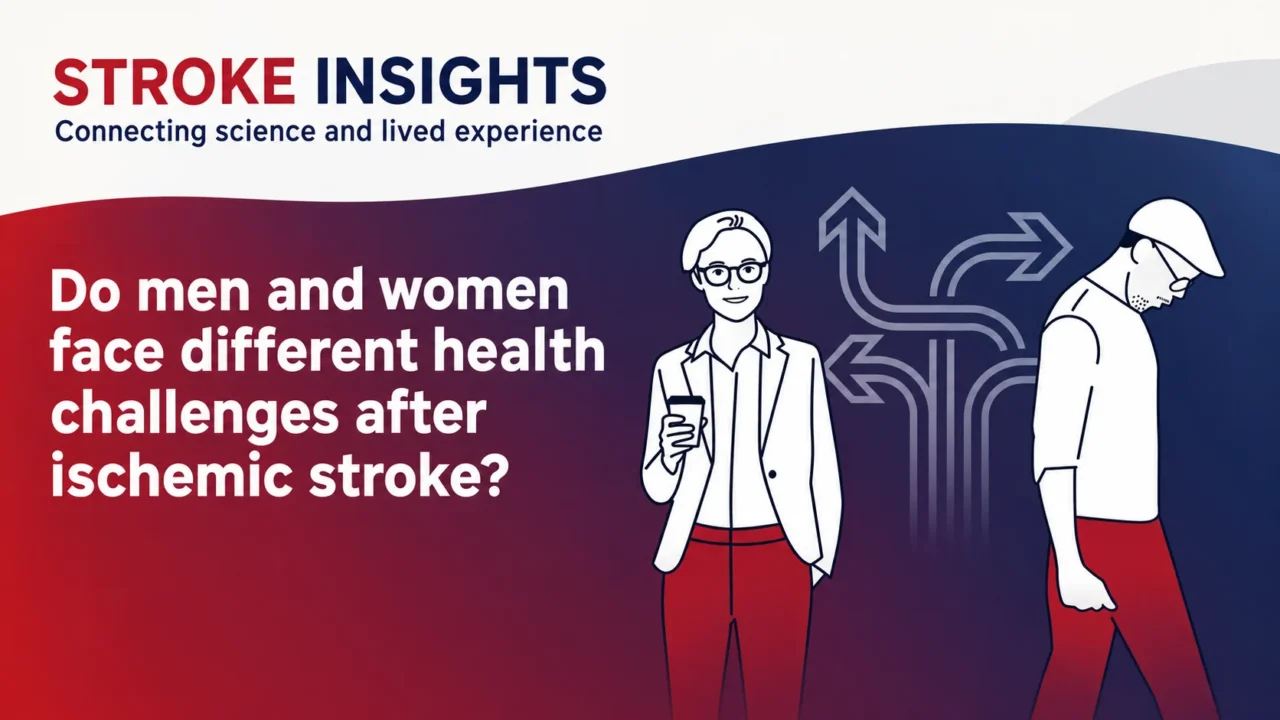
”Do men and women face different health challenges after ischemic stroke?
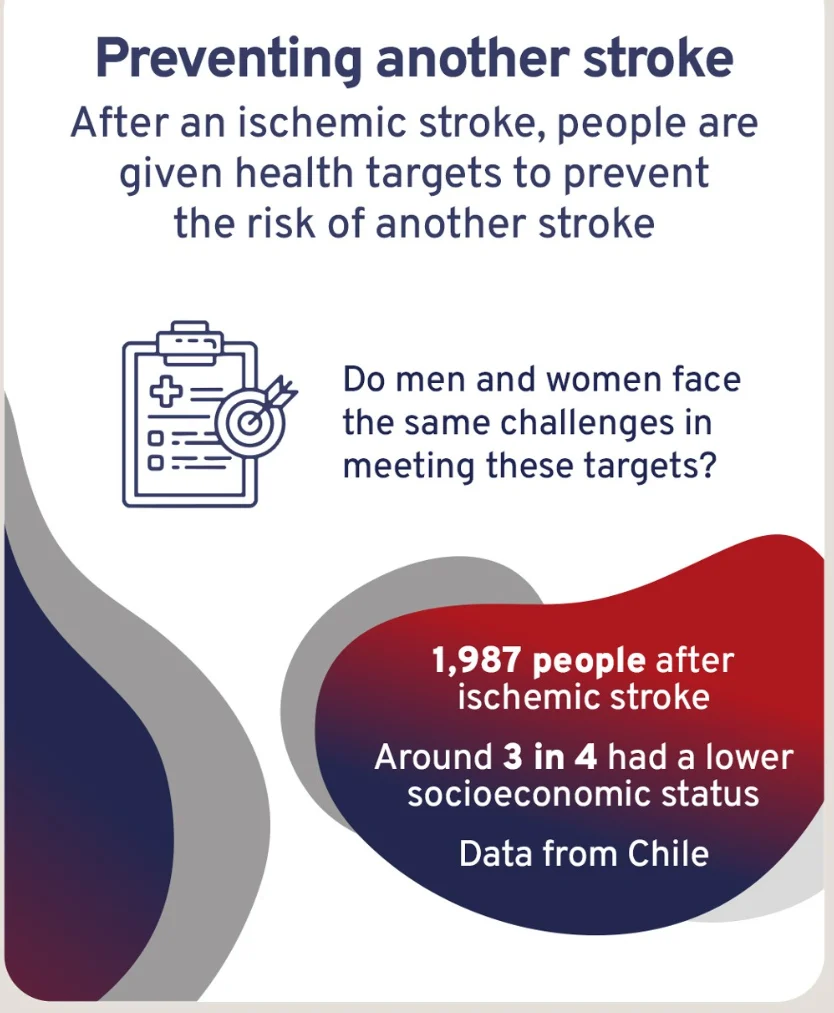
Reducing the risk of another stroke means working towards important health targets – from blood pressure and cholesterol to physical activity, weight and lifestyle. But these targets can be difficult to achieve, and the challenges may not be the same for everyone.
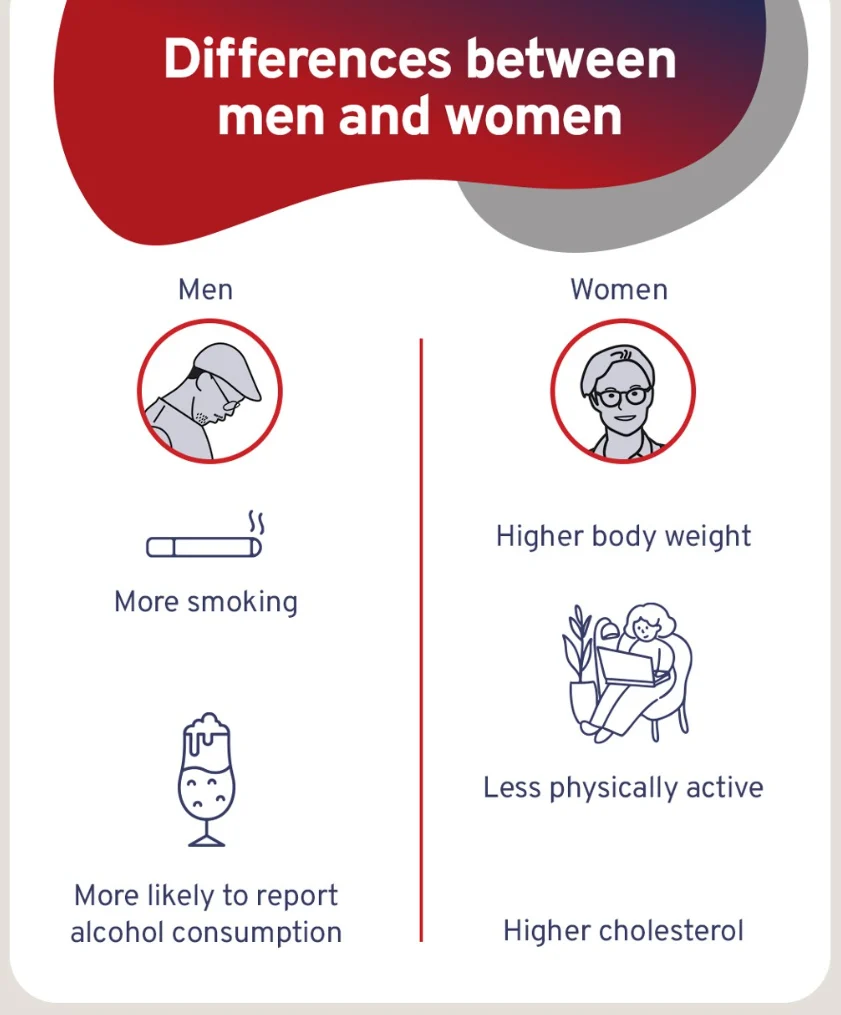
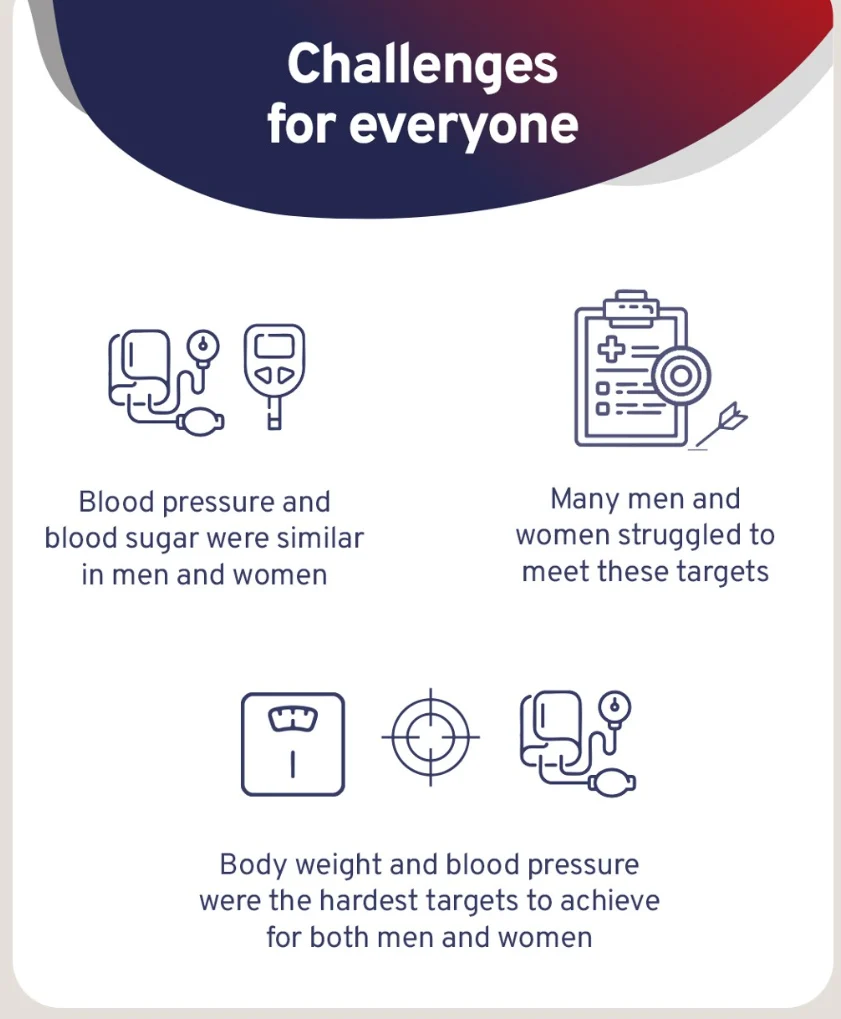
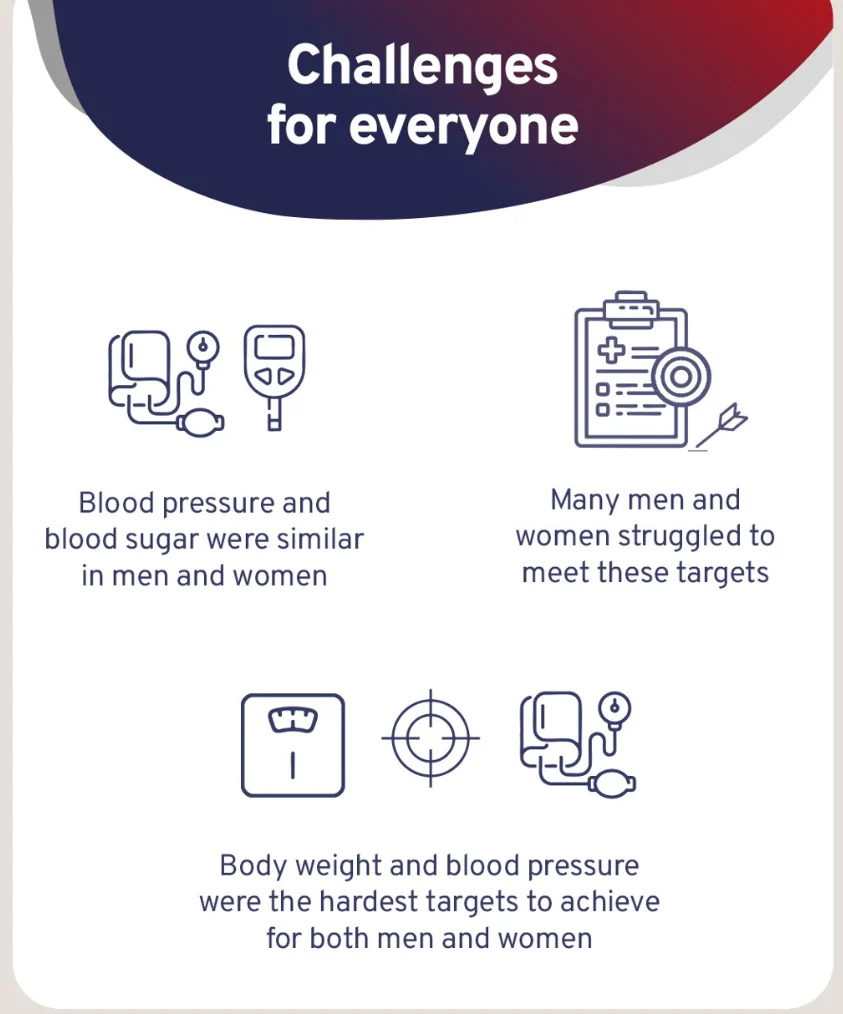
A study presented at ESOC 2026 analysed data from 2,189 stroke survivors and explored differences between men and women in meeting secondary prevention targets.
Swipe through our latest Stroke Insights carousel to discover what the researchers found – and why understanding these differences may matter for supporting people after stroke.”
Stay updated with Hemostasis Today.
-
Nov 18, 2026, 13:34Vincenzo De Angelis: Strengthening Plasma Management and Quality Control in Eastern Europe
-
Nov 18, 2026, 13:34Standardizing Bleeding Outcome Assessment in Hemophilia Clinical Trials – JTH
-
Nov 18, 2026, 13:34Nicolas Gendron: Towards Sustainable Anticoagulation
-
Nov 18, 2026, 13:33Breaking the Silence on Women and Girls with Bleeding Disorders – EHC
-
Nov 18, 2026, 13:32Maria Elisa Mancuso: Next-Generation Protein Therapies in Hemophilia
-
Nov 18, 2026, 13:25Maia Meier: Advocating for Women and Girls with Bleeding Disorders
-
Nov 18, 2026, 13:19Sjoerd Fabian Koopman: Exploring Tissue Distribution of Extended Half-Life Factor IX Concentrates
-
Nov 18, 2026, 13:16Ifeanyichukwu Ifechidere: Choosing Between Clot-Based and Chromogenic Coagulation Assays
-
Nov 18, 2026, 13:06Saurabh Mehta: Daily Iron Supplementation in Children and Adolescents