

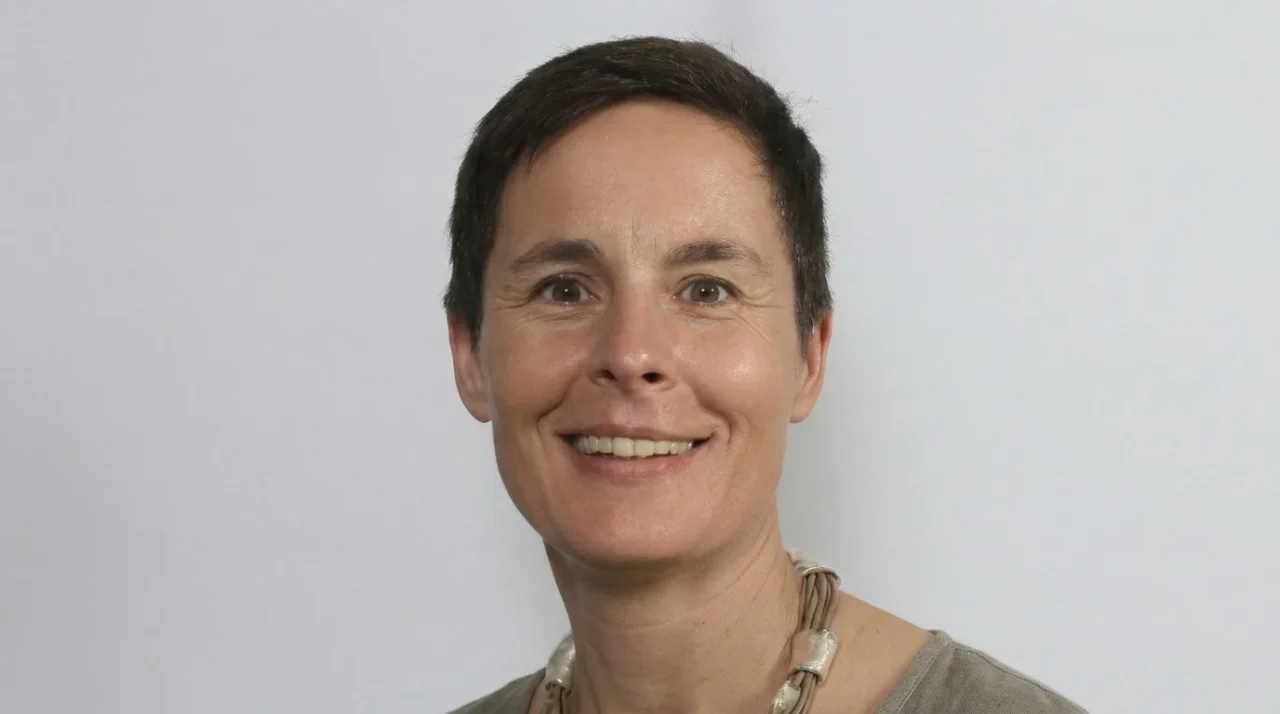
Gemma Figtree: How Well Do We Predict Heart Attack Risk in Women?
Gemma Figtree, Professor and Cardiologist at University of Sydney and Royal North Shore Hospital, shared a post on LinkedIn:
“The risk calculators we use in clinic to predict heart attacks were built mostly on men, and they behave differently in women.
A woman can carry real cardiovascular risk and be scored low, because the factors driving her risk are not the ones the model was designed around.
Pregnancy complications, early menopause, autoimmune disease and inflammatory conditions all shift risk and are mostly absent from routine risk assessment.
Sarah Zaman and Clare Arnott are two leading colleagues contributing important data to this space.
Michael Gray and I set this out in Climacteric earlier this year.
The argument is not that women are neglected as a talking point, it is that the tools themselves are miscalibrated, and being reassured by a miscalibrated tool is worse than having no tool at all.
In our own work on patients who present with a heart attack and no standard modifiable risk factors, women in that group did notably worse in the early period after the event- partly mediated by lower rates of evidence-based medication.
Other colleagues including Clara Chow have highlighted the lower rates of angiography, and revascularisation with stenting or bypass.
The practical consequence is that a woman who does not fit the model has to advocate for herself in a system that has already told her she is fine.
I would be interested in what physicians here are doing differently in practice, particularly around what to do with women who have had pregnancy-related events (including small babies) that are associated with future risk.”

Stay updated with Hemostasis Today.
-
Oct 10, 2026, 00:34Raphaëlle Dodart: Discussing the Mechanisms of Menstrual Hemostasis
-
Oct 10, 2026, 00:26Barbara Adams Krolak: Discussing the Growing Need for Blood Clot Prevention in Asia
-
Oct 9, 2026, 23:59Ana Pedrero Gil: Is Coagulopathy with Fibrinolysis Present in All Obstetric Hemorrhages?
-
Oct 9, 2026, 23:57Exploring the Psychosocial Needs of People with Bleeding Disorders in Kyrgyzstan – EAHAD
-
Oct 9, 2026, 23:53Bernard Slater Jr.: Serving on the Advisory Council for the NBDF West Virginia Chapter
-
Oct 9, 2026, 23:53Aurelio Maggio: Thalassemia Reports Real-Time Impact Factor Rises to 1.760
-
Oct 9, 2026, 23:52Stronger Connections, Stronger Organizations – World Federation of Hemophilia
-
Oct 9, 2026, 23:46Samuel Misiani Mbunya: Advancing Sickle Cell Care Through Collaboration at the 21st ASCAT Conference
-
Oct 9, 2026, 23:42Hadeel Swed: My First First-Author Publication in Thrombosis Research