

Heghine Khachatryan: A Resource-Adapted Approach to Hemophilia Joint Care
Heghine Khachatryan, Editor-in-Chief of Hemostasis Today, Head of Hemophilia and Thrombosis Center at Yeolyan Hematology and Oncology Center, shared a post on LinkedIn:
“Resource Limitations Should Shape the Care Pathway—Not Determine a Patient’s Future Mobility.
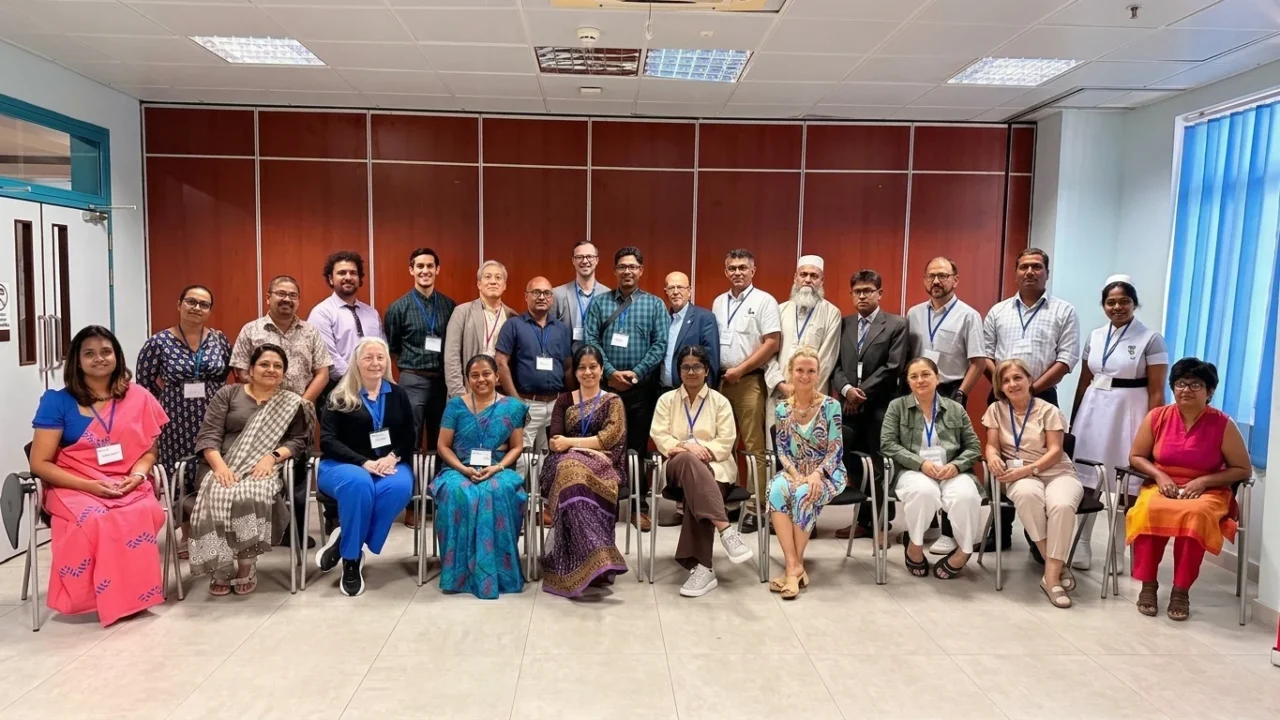
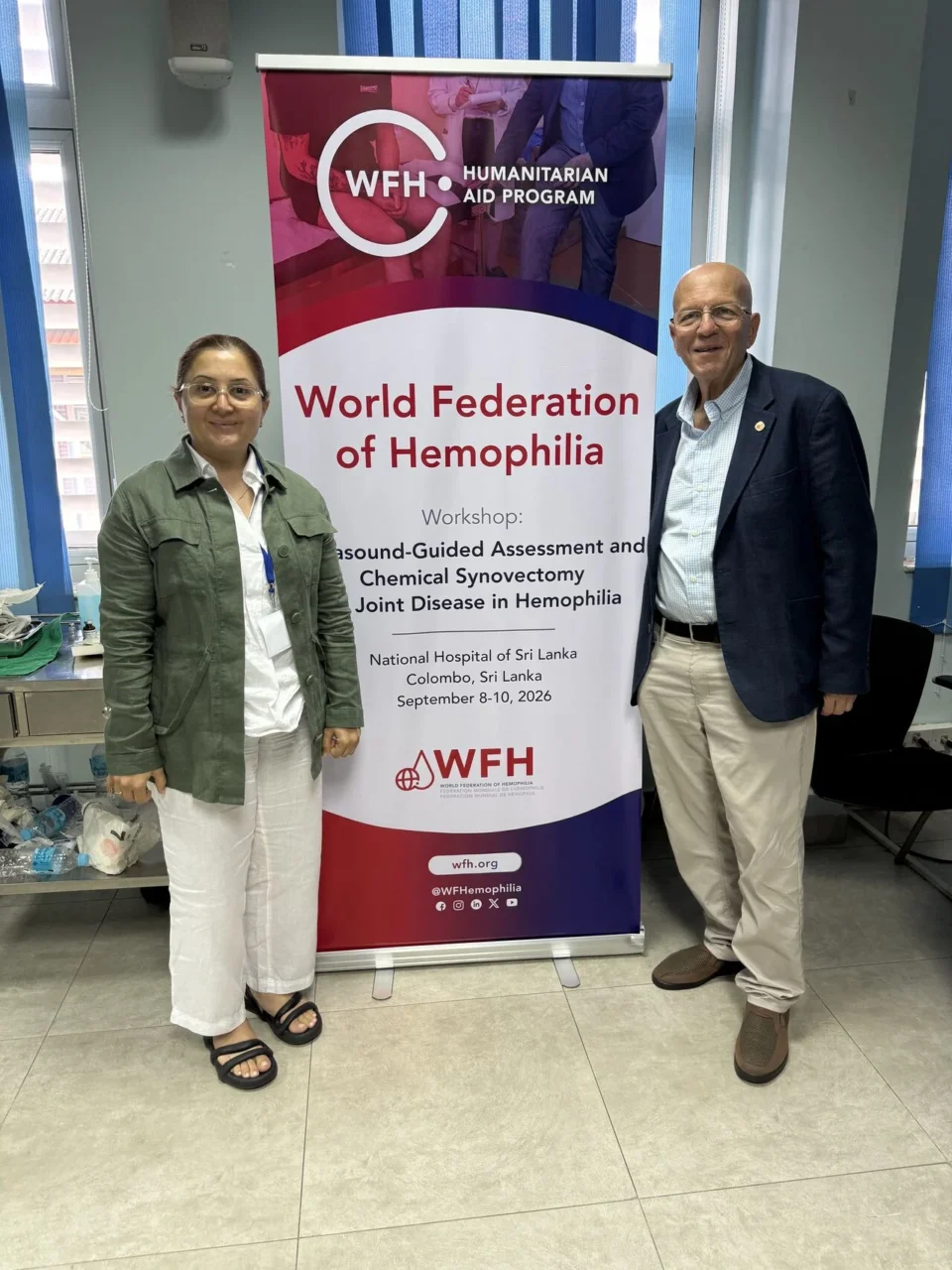
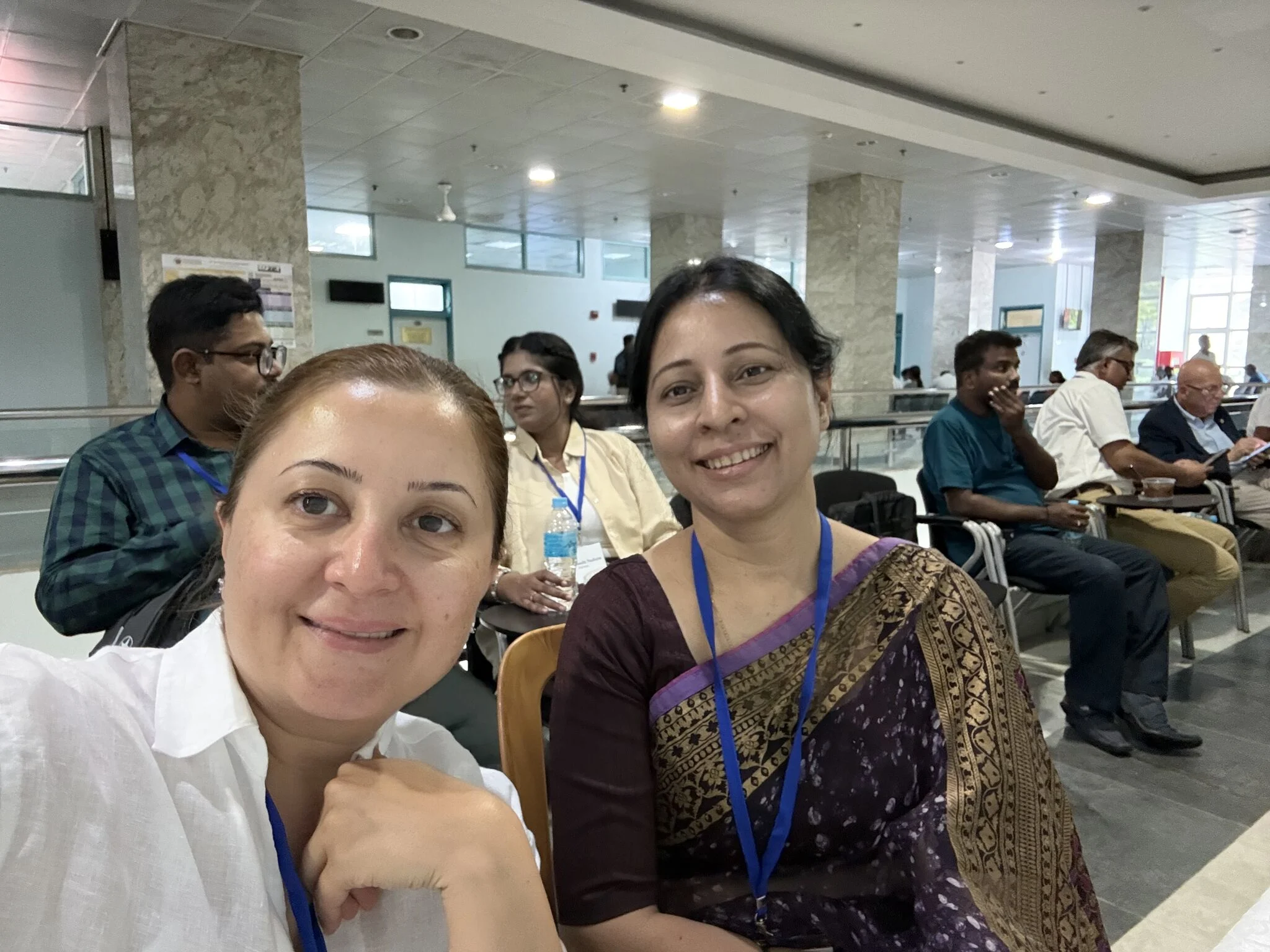
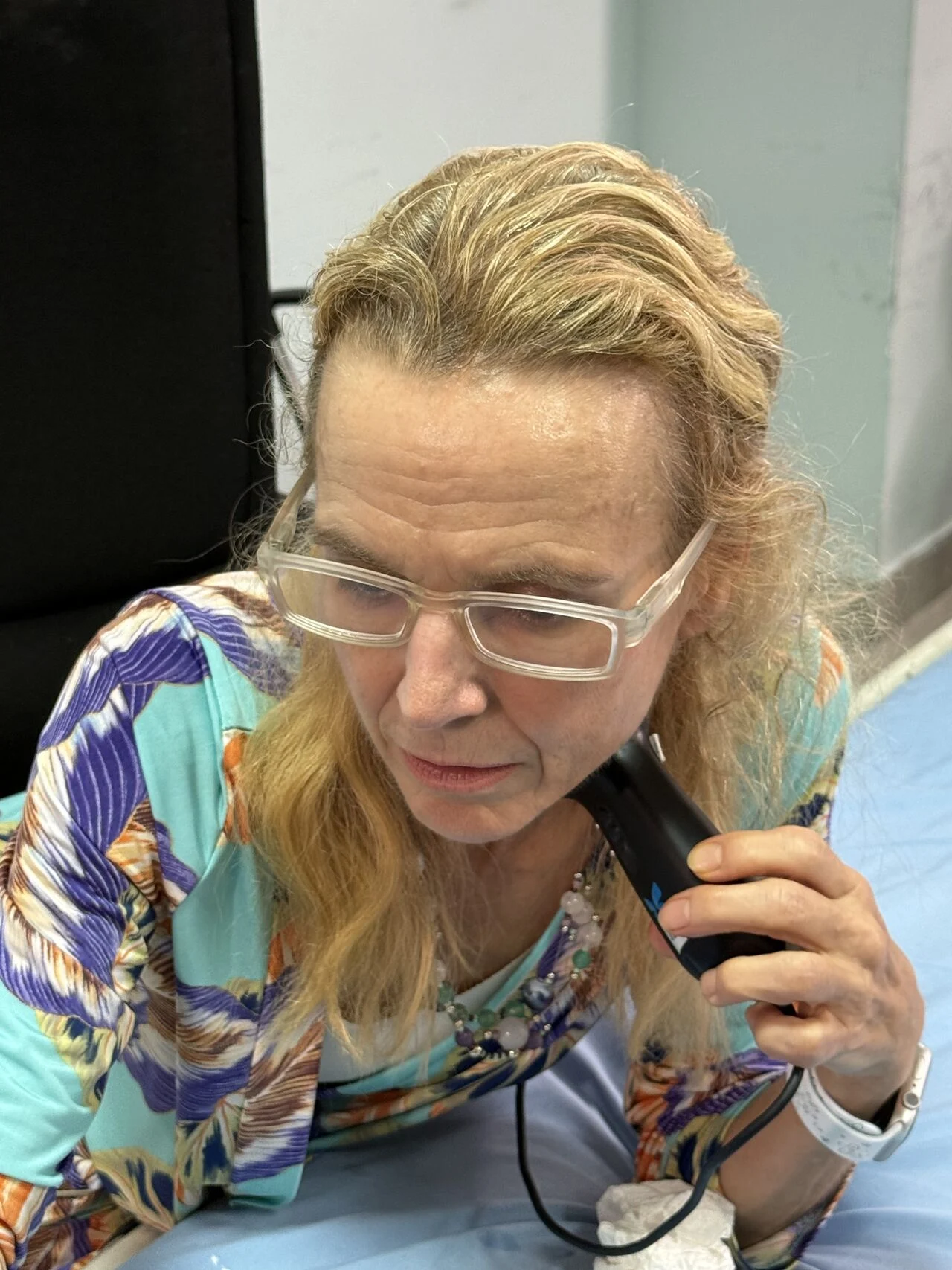
The WFH educational workshop in Sri Lanka addressed one of the most urgent challenges in global hemophilia care: how to prevent and manage hemophilic arthropathy in low- and middle-resource settings, where access to factor concentrates, imaging, rehabilitation, and specialized orthopedic services may remain limited.
The central message was both scientific and practical: effective joint care can be developed through a structured, multidisciplinary, and resource-adapted pathway:
- Prevention through individualized prophylaxis and timely treatment of hemarthroses
- Standardized longitudinal assessment using the Hemophilia Joint Health Score (HJHS)
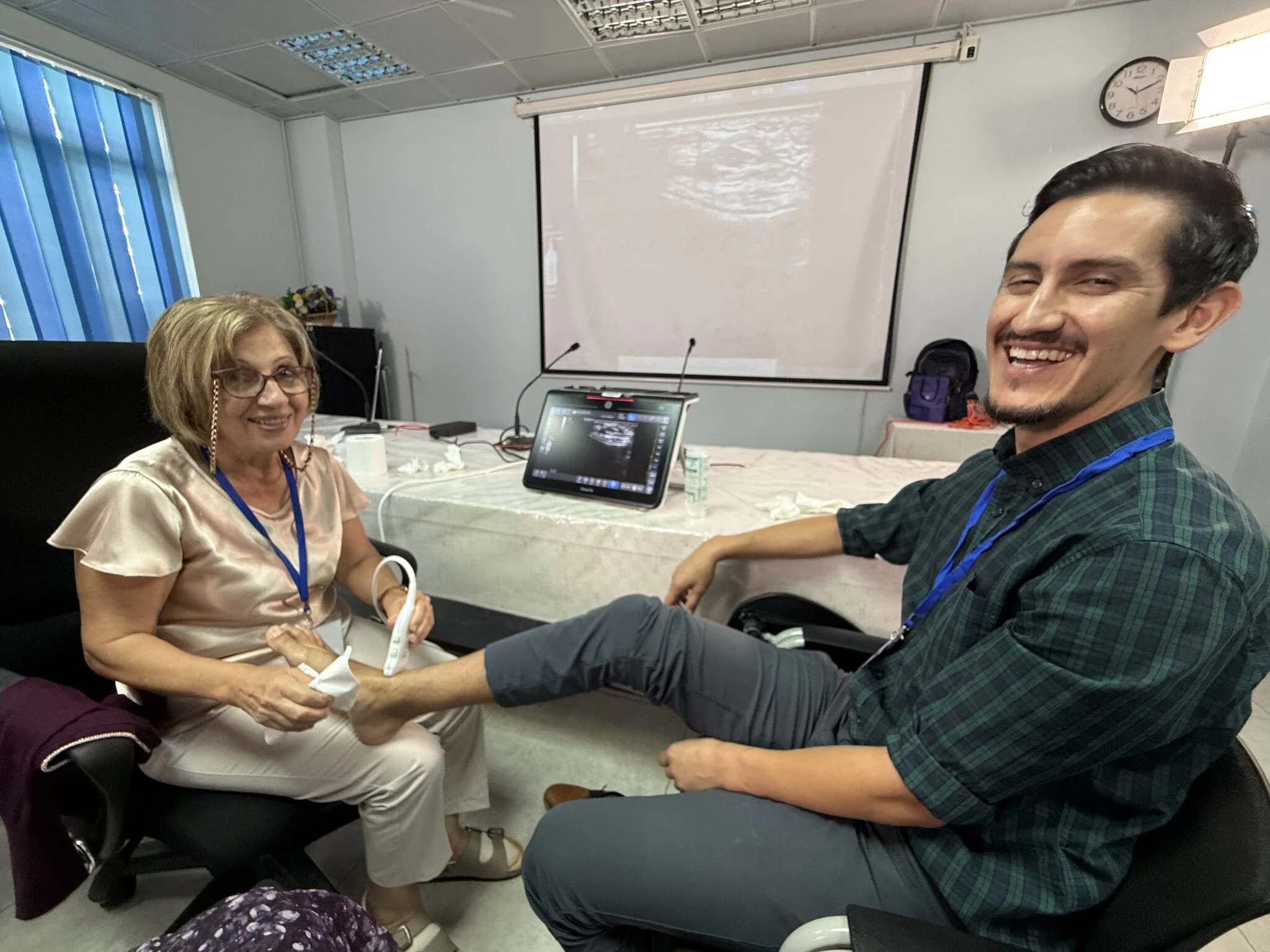
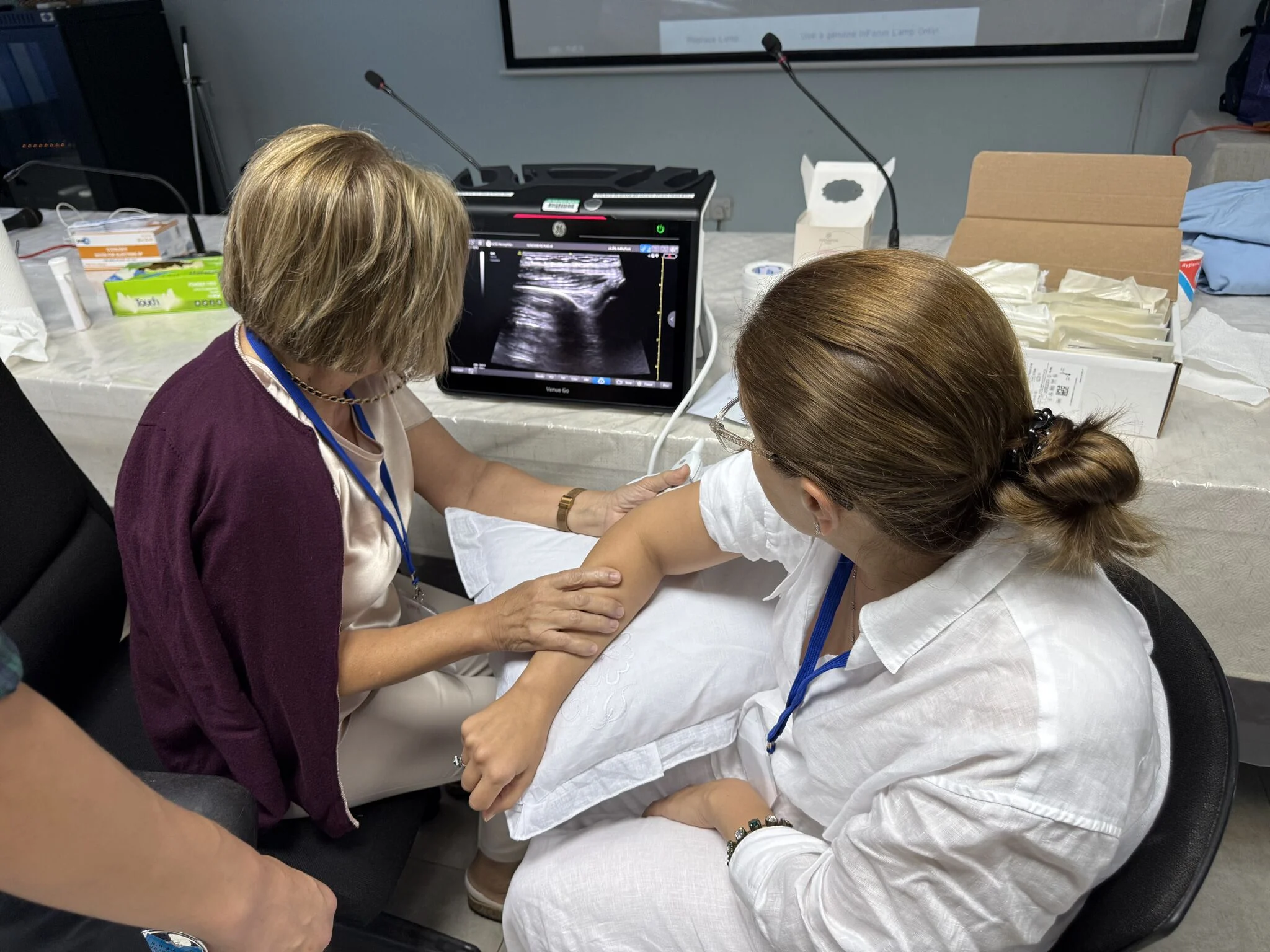
- Early detection of subclinical joint changes with HEAD-US and point-of-care ultrasound, where available
- Targeted physiotherapy, muscle strengthening, proprioceptive training, and functional rehabilitation
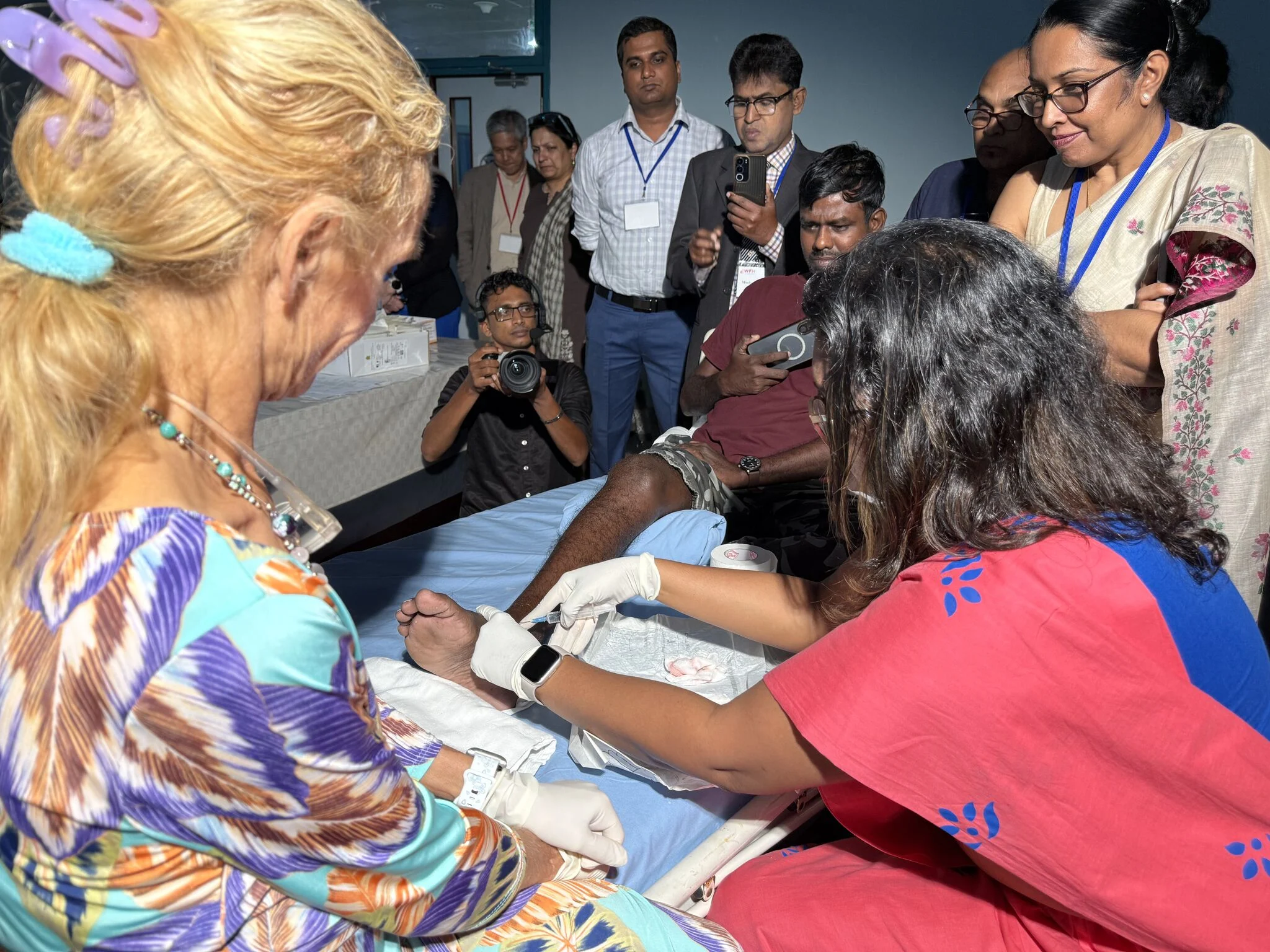
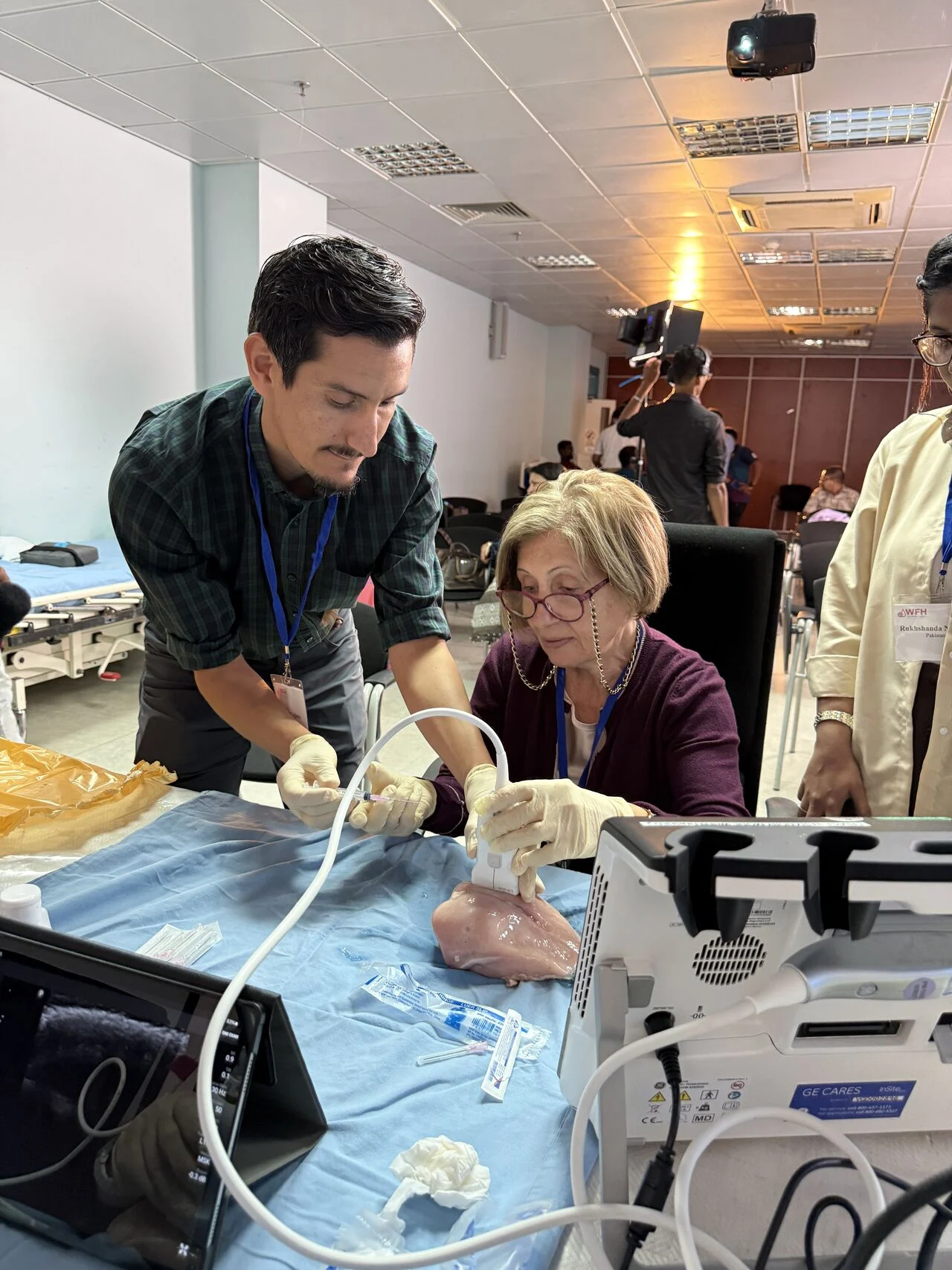
- Ultrasound-guided procedures performed by appropriately trained teams
- Chemical or radiosynovectomy for persistent or recurrent synovitis in carefully selected patients
- Timely orthopedic referral for advanced, irreversible arthropathy
Importantly, advanced technology is not the only foundation of high-quality care.
Careful clinical assessment, consistent documentation, patient education, rehabilitation, and multidisciplinary cooperation can already protect joint function and prevent disability.
My deepest gratitude goes to Dr. Assad Haffar, the visionary initiator and organizer of this meeting, for creating such a timely, necessary, and genuinely practice-changing educational program.
His leadership brought together expertise from hematology, physiotherapy, rehabilitation, musculoskeletal ultrasound, synovectomy, and orthopedic care.
Most importantly, the workshop did not stop at describing ideal protocols—it translated evidence into feasible and scalable solutions for countries working with limited resources.
Thank you to the World Federation of Hemophilia, the distinguished faculty, local hosts, and all participating colleagues for transforming international expertise into practical skills that can directly improve patient care.
Every joint preserved means mobility preserved.
Every practical skill transferred means disability potentially prevented.
Every sustainable care pathway brings us closer to true global equity in hemophilia care.”
Other posts featuring Heghine Khachatryan on Hemostasis Today.
-
Sep 13, 2026, 14:23Simon Fletcher: The Unmet Burden of Factor VII Deficiency
-
Sep 13, 2026, 14:10Azusa Nagao: The Evolving Burden of Haemophilia Prophylaxis
-
Sep 13, 2026, 13:50Priya Sriskandarajah: The Challenge of Thrombotic Risk in Myeloproliferative Neoplasms
-
Sep 13, 2026, 12:31Vishakha K. Kumar: ISTH Opens Public Comment Period on New Guidance
-
Sep 13, 2026, 12:13Tahsin Ara Mim: Takayasu’s Arteritis Case Report Secures 2nd Runner-Up
-
Sep 13, 2026, 11:26Tareq Abadl: When Good Samples Give Bad Numbers – Spotting EDTA Contamination in the Lab
-
Sep 13, 2026, 11:22Amanda Unsworth: Gratitude and Next Steps as Leadership Transitions at The Platelet Society
-
Sep 13, 2026, 11:18Mary Cushman: Covering Associations of Antiphospholipid Antibodies with Stroke
-
Sep 13, 2026, 11:13Mavis Agnes Kisakye: How Community Partnerships Are Driving Opportunity for Youths with Bleeding Disorders