

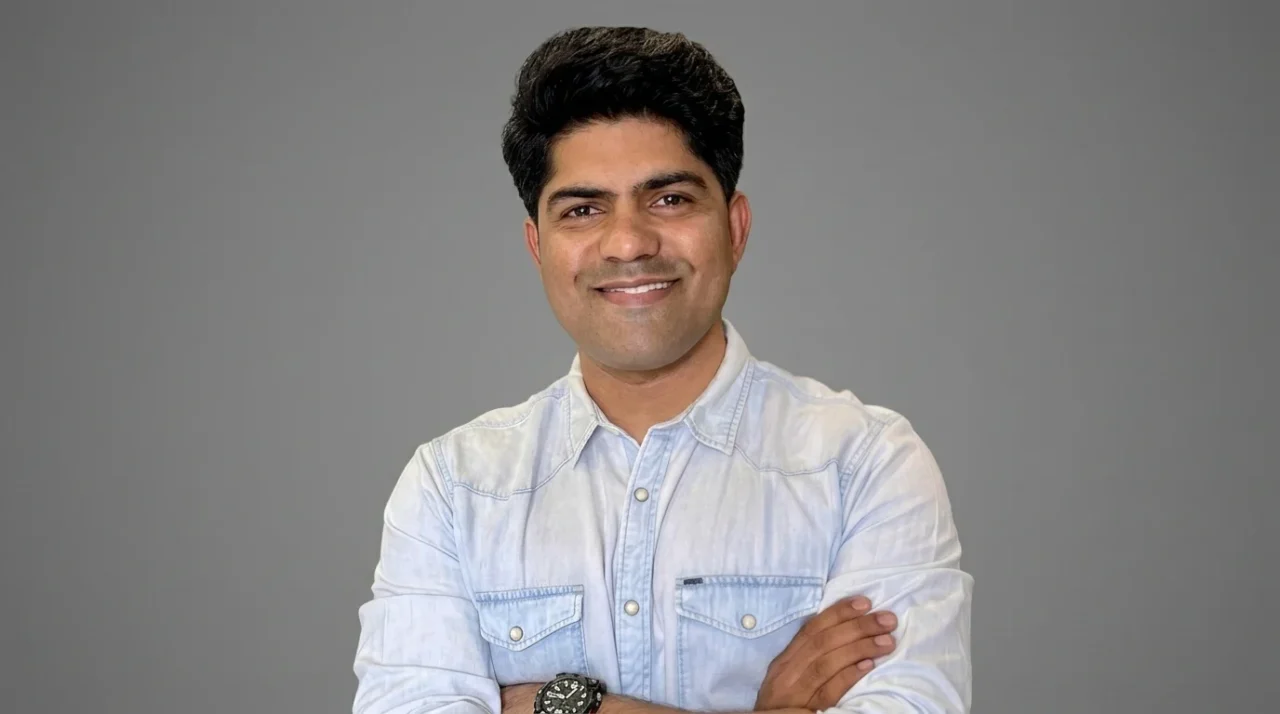
Hons Saurabh Kaushik: Why Uncontrolled LDL Can Be Harmful
Hons Saurabh Kaushik, Nutritionist at Aura – The Diet Clinic, Ahmedabad, Gujarat, India, shared a post on LinkedIn:
“Cholesterol isn’t the enemy.
But uncontrolled LDL can become a problem.
Cholesterol often gets labelled as ‘bad,’ but the science is more nuanced.
Cholesterol is a waxy, fat-like substance that your body actually needs.
It helps build cell membranes, supports hormone production and is involved in vitamin D production.
Your liver makes most of the cholesterol your body needs, while some comes from food.
The bigger concern is having too much of certain cholesterol carrying particles in the bloodstream especially LDL.
So, what exactly happens with LDL?
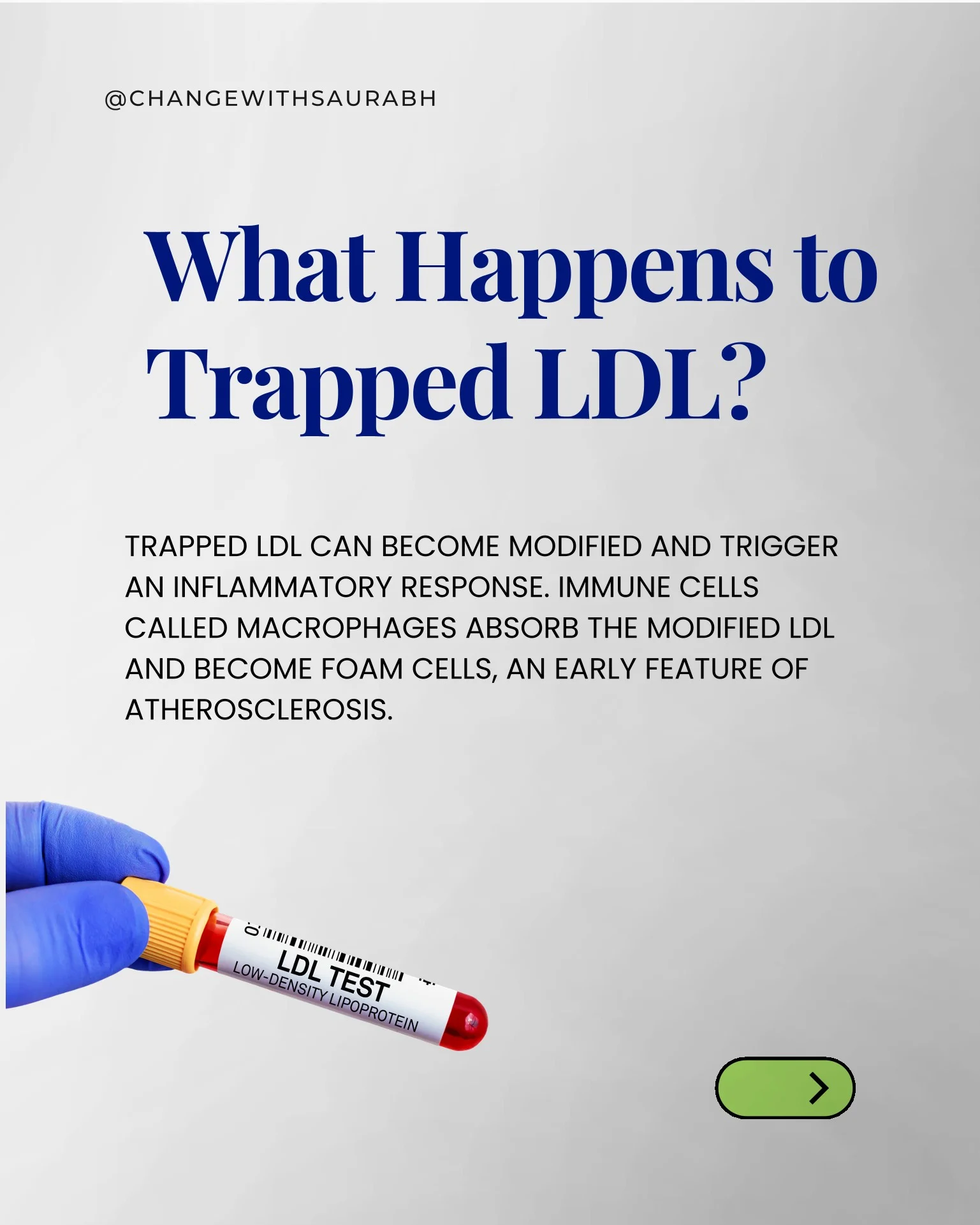
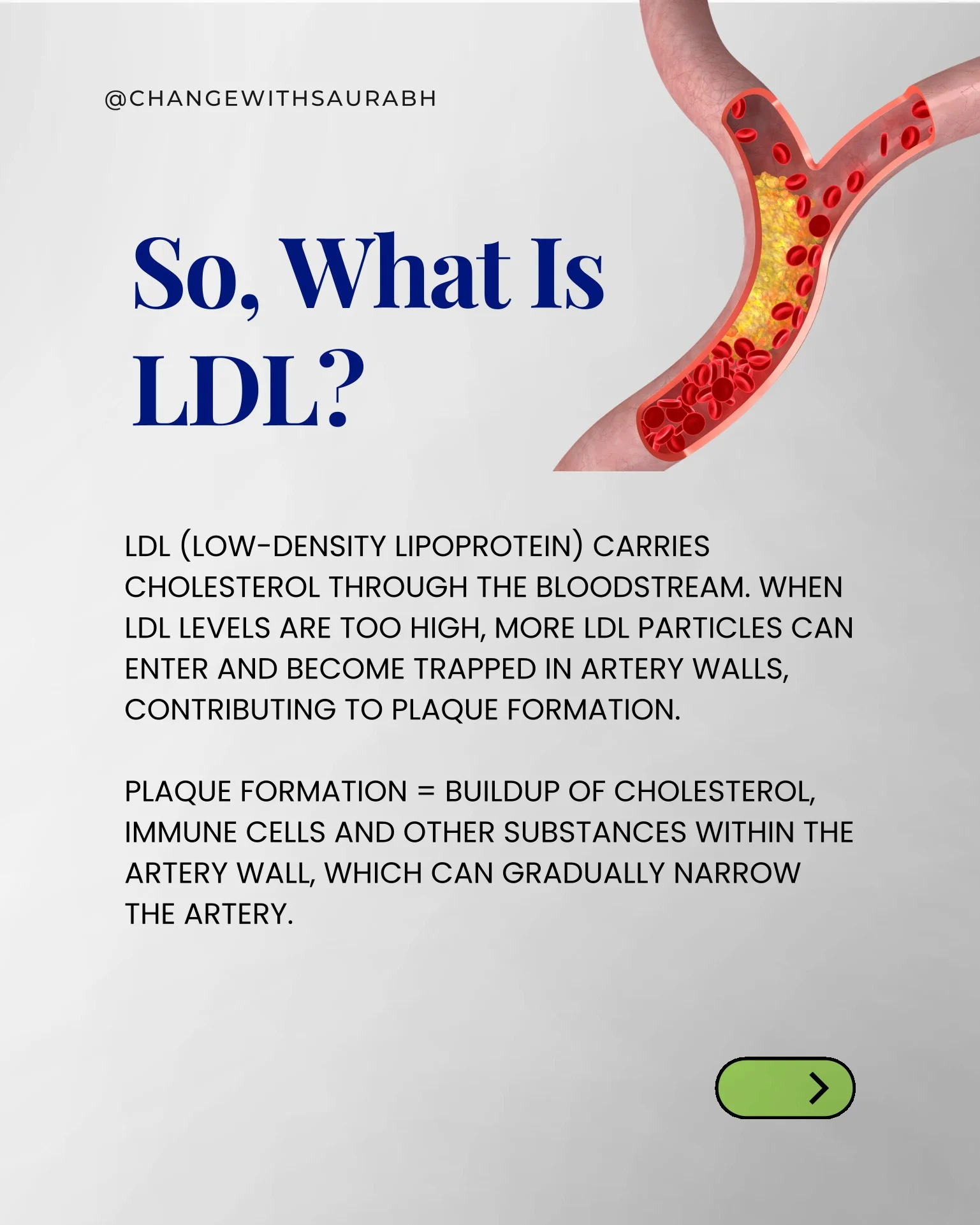
LDL (low-density lipoprotein) transports cholesterol through the blood. When LDL levels are too high, more LDL particles can enter and become trapped within artery walls.
These trapped particles can become modified and trigger inflammation.
Immune cells called macrophages can absorb the modified LDL and turn into foam cells, which are an early feature of atherosclerosis.
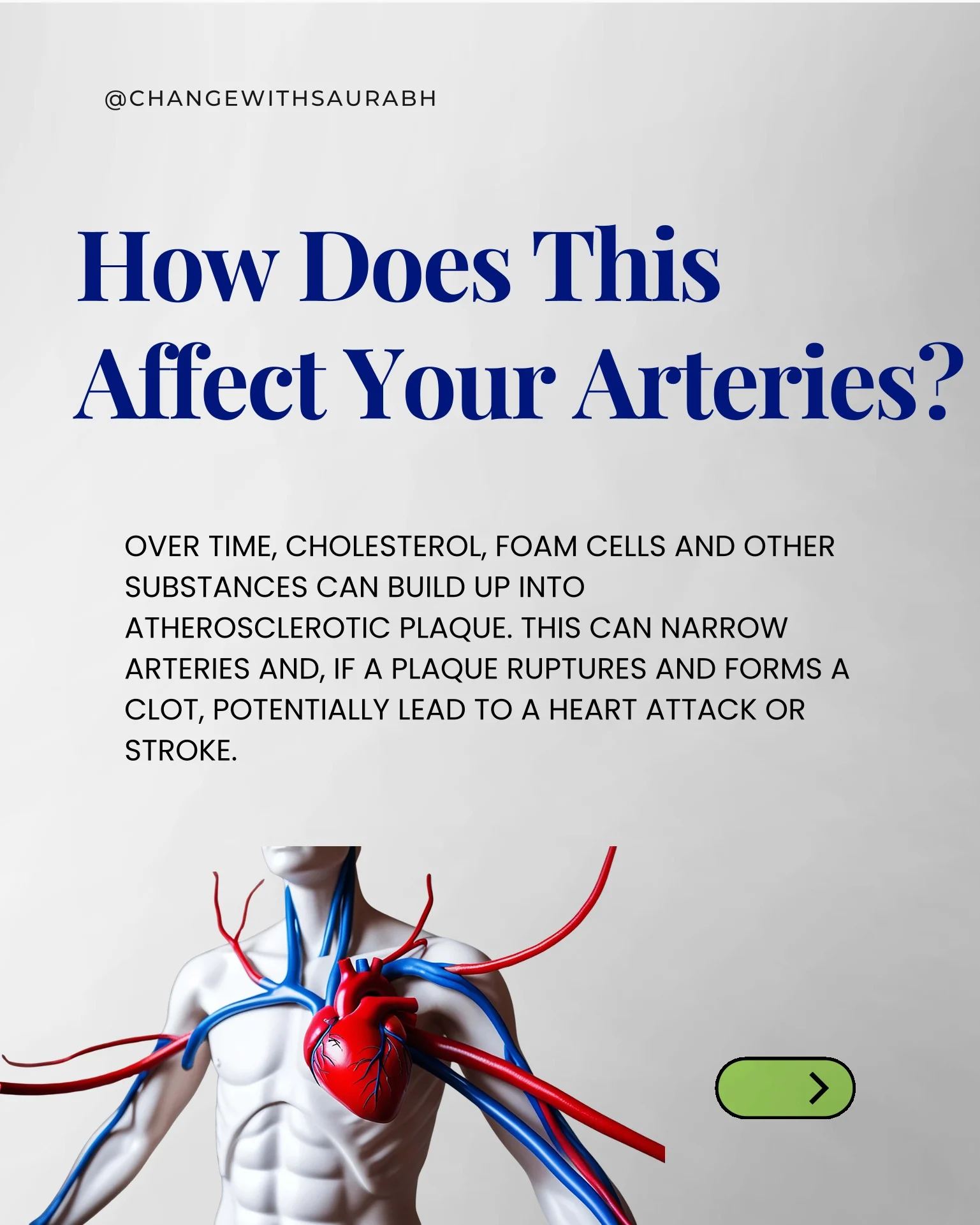
Over time, cholesterol, foam cells and other substances can contribute to the development of atherosclerotic plaque.
This plaque can gradually narrow arteries.
If a plaque ruptures and a blood clot forms, it can potentially contribute to serious cardiovascular events such as a heart attack or stroke.
But here’s the important part:
You don’t need to eliminate cholesterol from your diet.
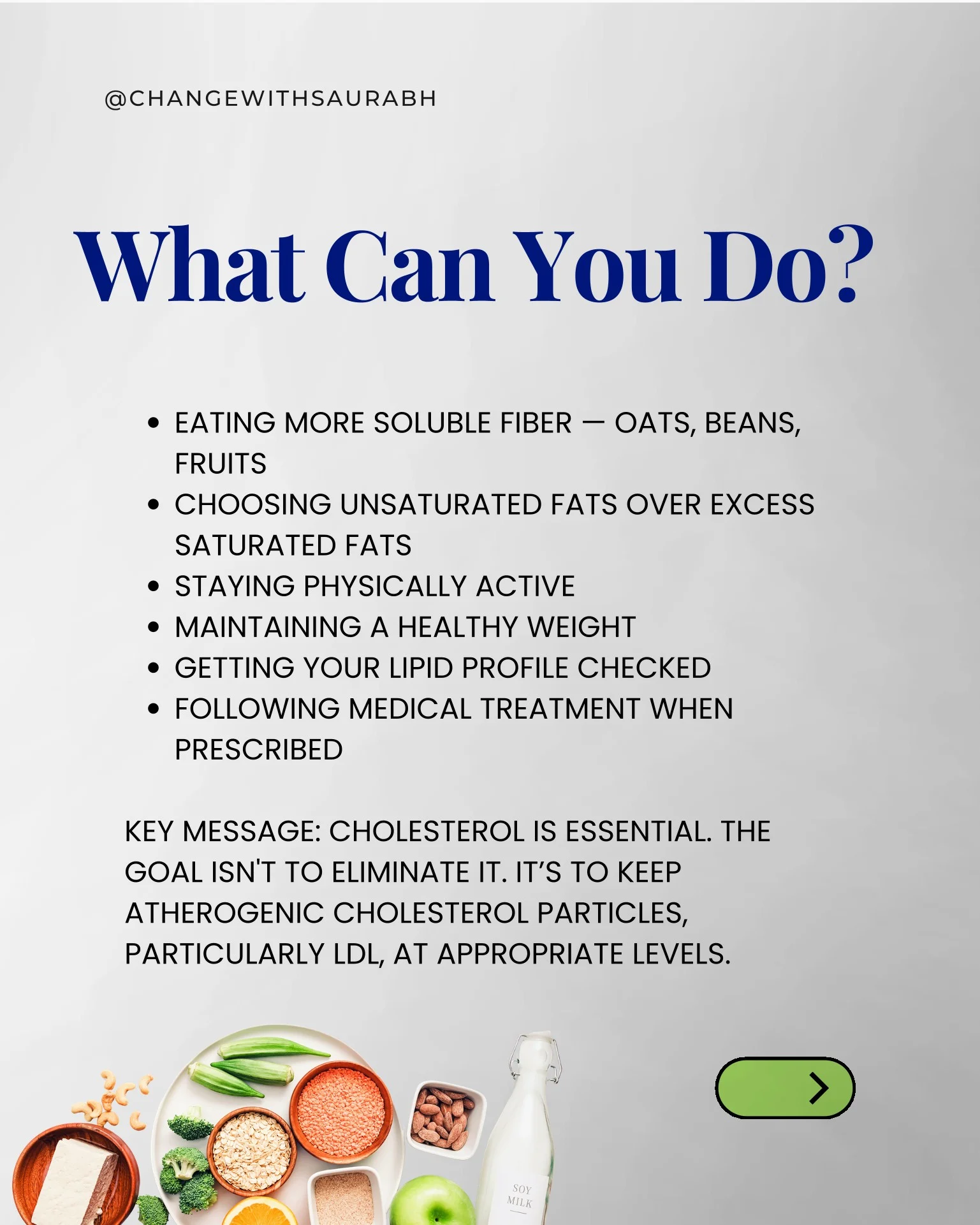
Instead, focus on habits that support a healthier lipid profile:
- Add more soluble fibre from foods such as oats, beans and fruits.
- Choose more unsaturated fats while limiting excess saturated fat.
- Stay physically active.
- Maintain a healthy body weight.
- Get your lipid profile checked when appropriate.
- If medication is prescribed, follow your healthcare professional’s treatment plan.
The goal isn’t ‘zero cholesterol.’
The goal is to keep atherogenic cholesterol particles particularly LDL at appropriate levels.
Understanding cholesterol properly can help us move away from fear-based food choices and toward evidence-based heart health.
More about Aura-The Diet Clinic“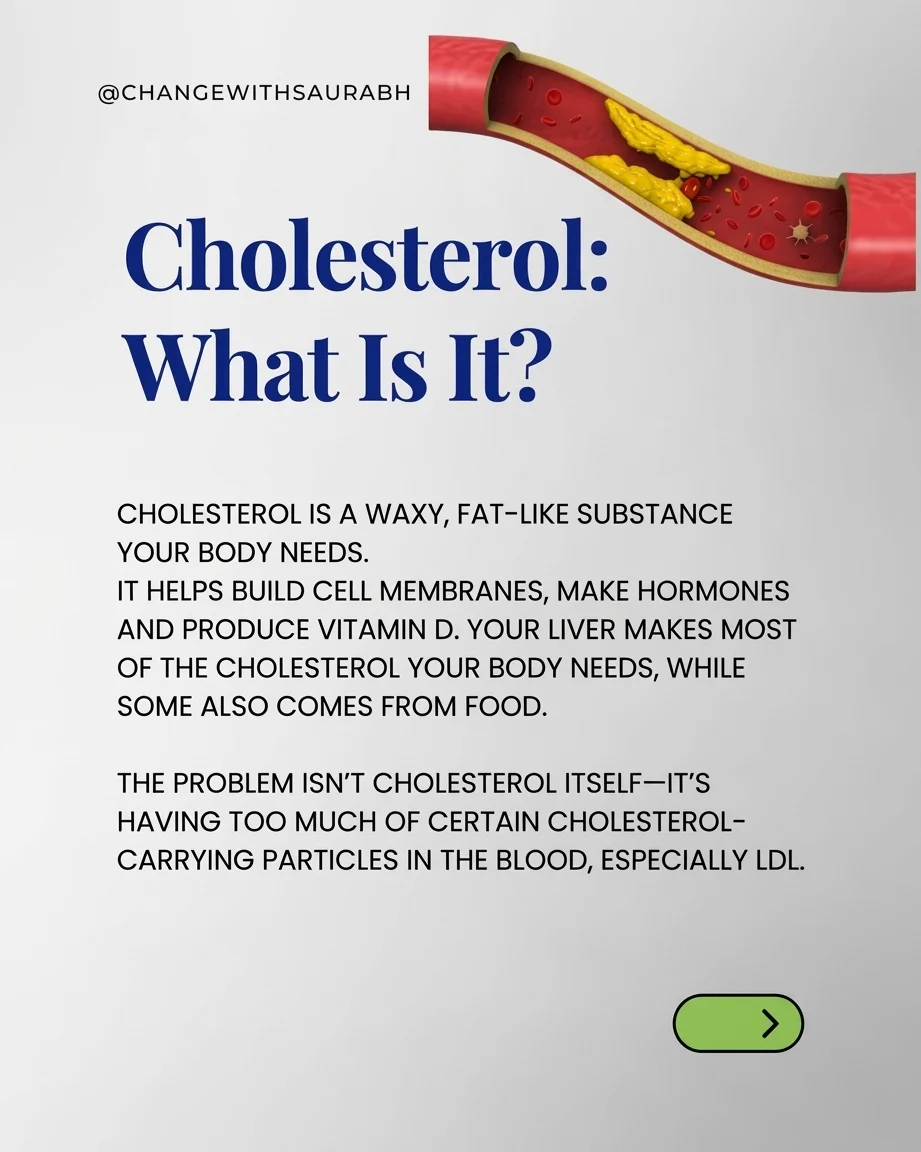
Stay updated with Hemostasis Today.
-
Sep 20, 2026, 03:58Salih Ehsan: The Complexities of HbF and HbA2
-
Sep 20, 2026, 03:22The Voices of People Living With Bleeding Disorders – EHC
-
Sep 20, 2026, 01:18Sebastian Mafeld: Has 2026 Changed How We Treat Pulmonary Embolism?
-
Sep 20, 2026, 01:16Pall T. Onundarson: DOACs – Monitoring, Tailoring Dose and Identifying Problems
-
Sep 20, 2026, 01:15Thierry Fumeaux: From Efficacy to Effectiveness – The Value of Real-World Evidence
-
Sep 20, 2026, 01:14Said El Shamieh: VEGFA Genetic Variants and Bleeding Risk During Warfarin Therapy
-
Sep 20, 2026, 01:04Omar Danoun: Levetiracetam May Increase Thromboembolic Risk With DOACs
-
Sep 20, 2026, 01:02Mohamed Abo-Aly: Which Antiseizure Medication is Safest for Patients on DOACs?
-
Sep 20, 2026, 00:58Hamza Rafiq: How Does a Deep Vein Thrombosis Become a PE?