


Irma Rastegayeva: The Evolution of Healthcare Access – From Royal Free Hospital to the Modern NHS
Irma Rastegayeva, SVP of Marketing and Strategic Engagement, Member Board Of Directors at American College of Healthcare Trustees, Co-Founder and Chief Digital Storyteller at eViRa Health, Co-Founder and Program Director of TEDxBoston, shared a post on LinkedIn:
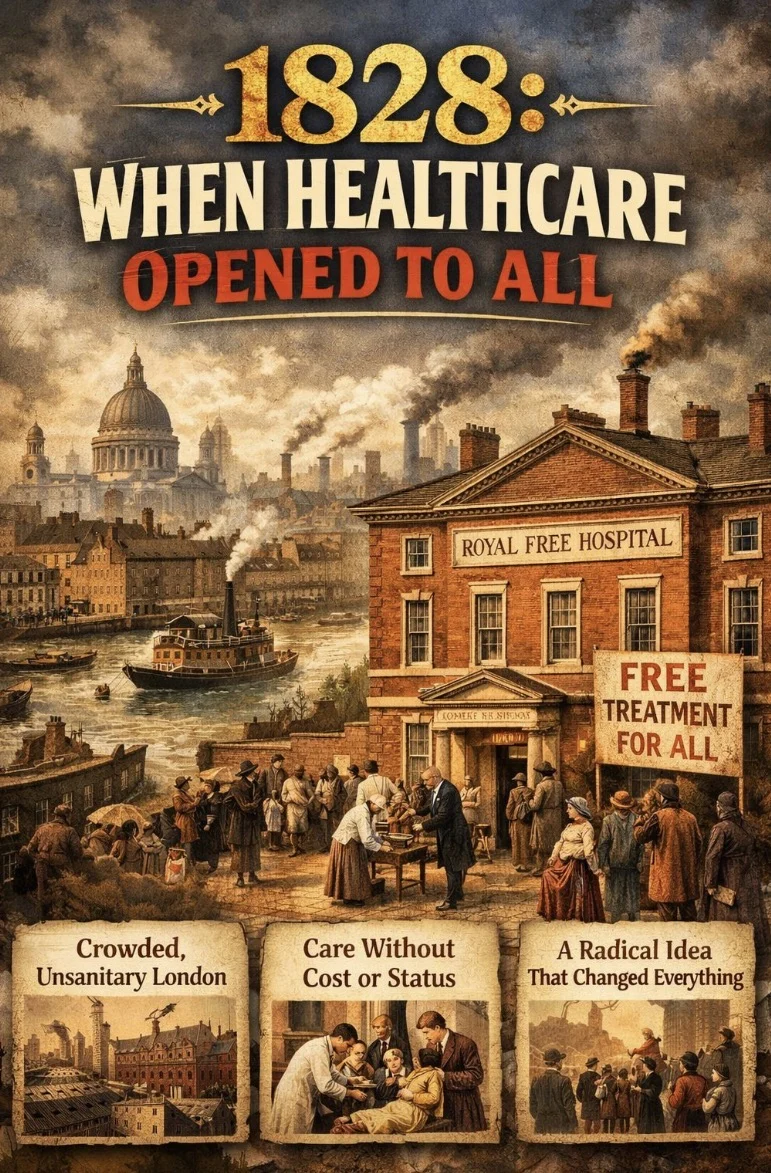
“In early 19th century London, getting sick was a problem that went well beyond your health.
The city was crowded, industrial, and often filthy.
Cholera tore through neighborhoods.
Tuberculosis settled into crowded housing and refused to leave. Factory work produced a steady, grim supply of broken bodies.
For most people, especially the working class, medical care wasn’t something you counted on. It was something you hoped you’d never need.
Hospitals existed, but access was another story. Most wanted payment, a referral, or some proof you belonged to the right sort of society. Charitable institutions tried to fill the gap, but they were overwhelmed and inconsistent.
Care at home was the norm, usually delivered by whoever was willing. For most families, illness meant lost wages, mounting debt, and very few doors to knock on.
In 1828, the institution that would become the Royal Free Hospital opened with a different idea. You could walk in and be treated, and no one would ask for your money on the way through the door.
No fees. No proof of standing. No connections required. Just care.
It filled up fast. People who had been shut out of the system their entire lives showed up in numbers that caught everyone off guard.
Funding depended on donations, space was tight, and demand never let up, but the shift in access was immediate and real.
A hospital was no longer reserved for people with means.
That idea didn’t fade. More than a century later, it was rebuilt at national scale as the National Health Service, grounded in the same principle.
Care should be available to everyone, free at the point of use.
The NHS England still runs on that foundation today, but the strain is relentless. Populations are aging and demand keeps climbing.
Staffing shortages are slowing the system down. Budgets are thin and wait times have become the story everyone talks about.
Technology is starting to carry some of the weight. Telehealth is reaching people who can’t easily reach a clinic.
AI is helping triage decisions, sorting who needs attention first and where scarce resources should go.
Digital platforms are pulling parts of the care journey into the home, where it often belongs anyway.
The setting looks nothing like 1828, but the underlying tension feels familiar.
How do you expand access while keeping the whole thing affordable and running? That question hasn’t gone anywhere.
From crowded wards in industrial London to AI assisted care pathways today, the goal is essentially what it was two centuries ago.
Make sure people can get care when they need it, not just when they can afford it.”
Stay updated with Hemostasis Today.
-
Sep 7, 2026, 18:36Richard Kollen: Preventing Deep Vein Thrombosis During Long Flights
-
Sep 7, 2026, 18:34Mahmoud Hashem: Apixaban – Doses According to the Reason for Use
-
Sep 7, 2026, 14:44Abdel Gaffar Mohammed: Treatment Approaches for Different Types of TMA
-
Sep 7, 2026, 18:31Julian P. Villacastin: LAAC as a Treatment Option When Long-Term Anticoagulation Is Problematic
-
Sep 7, 2026, 18:29Geoff Stooke: How Hemophilia Led the Massie Family to the Romanovs and Ronald Reagan
-
Sep 7, 2026, 18:27Sam Mbunya: September is Sickle Cell Awareness Month
-
Sep 7, 2026, 18:25David Akande: Things I Wish People Knew About Sickle Cell
-
Sep 7, 2026, 18:24Prachi Bansal: A Small Act of Giving, A Lifelong Lesson in Humanity
-
Sep 7, 2026, 17:27Isaac Okello: From Global Dialogue to Local Impact in Sickle Cell Disease