

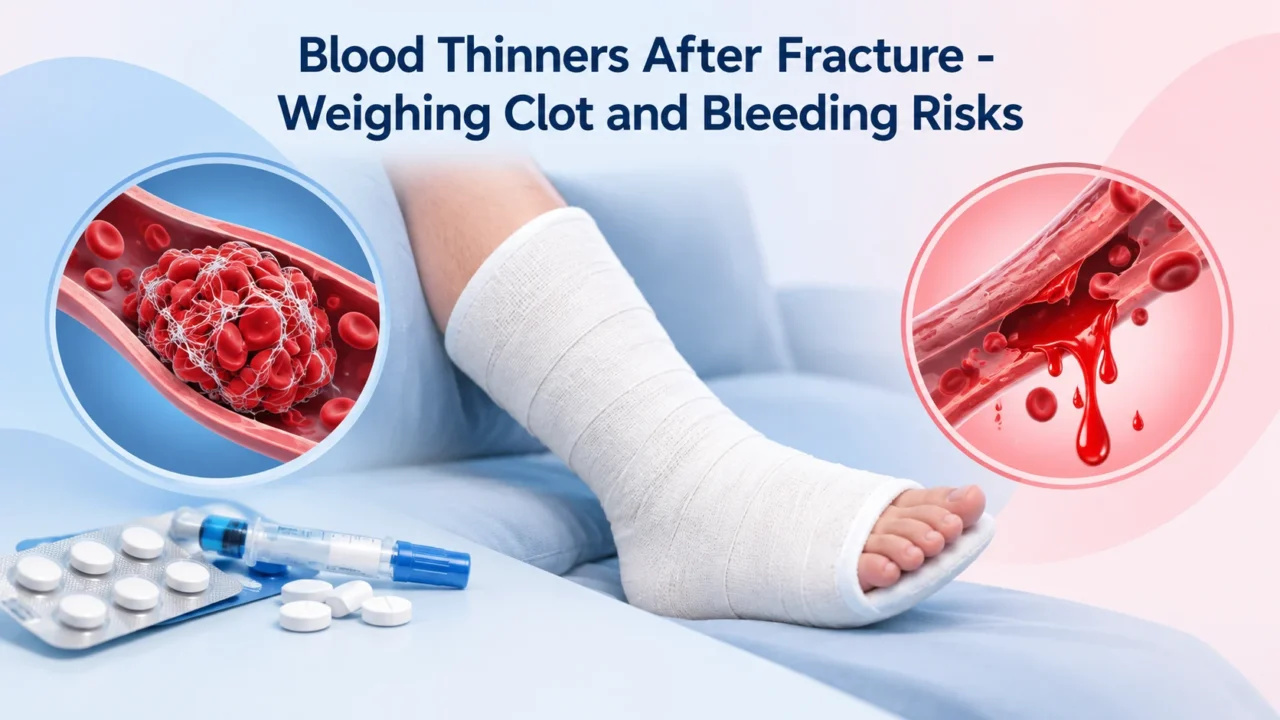
James P. Crowley: Blood Thinners After Fracture – Weighing Clot and Bleeding Risks
James P. Crowley, Professor of Medicine Emeritus at Brown University, Captain at U.S. Navy Reserve, shared a post on LinkedIn, adding:
“She died after suffering a pulmonary embolism, a sudden, dangerous blockage in a lung artery, resulting from deep vein thrombosis.
As many as a third of patients with hip or above the knee fractures may be at increased risk for this complication.
Prophylactic blood thinners can prevent pulmonary embolism but carry the risk for serious bleeding.
The decision to give prophylaxis is typically based on patient risk factors and fracture pattern yet controversy exists in many lower extremity fractures.
Previous studies have attempted to identify patient risk factors and comorbidities that warrant prophylaxis.
Haematologist Dr George Adams told the inquest that Lady Joan was ‘extremely high risk’ for blood clots and the ‘biggest risk factor by far was her immobility and her fracture’.
Prophylactic blood thinners can prevent many such cases.
But blood thinners carry their own dangers.
The question is when do the risks of fatal pulmonary embolism outweigh the risks of fatal bleeding from blood thinners?
For hip surgery the answer has been found in controlled clinical trials and routine prophylactic blood thinners are now almost always used.
For patients like Lady Joan the decision to use or hold prophylactic blood thinners is based on the responsible physician’s ‘clinical judgement’.
Either way when things sadly go wrong, the final outcome is often in the US a malpractice suit pitting one set of medical experts against another.”
Other posts featuring James P. Crowley on Hemostasis Today.
-
Sep 12, 2026, 13:53Marta Velia Antonini: Incidence and Outcomes of ECMO Circuit Failure in Children
-
Sep 12, 2026, 13:47Rob Mac Sweeney: How Venoarterial ECMO Can Affect the Gastrointestinal System
-
Sep 12, 2026, 13:46Ishac Nazy: A Newly Uncovered Mechanism Behind a Dangerous Blood-Clotting Disorder
-
Sep 12, 2026, 13:43Latchumanadhas Kalidoss: PETROS vs Infusion Thrombolysis in Mitral Valve Thrombosis
-
Sep 12, 2026, 13:38Claudio Mauro: The Protective Role of Hyodeoxycholic Acid in Liver Cancer
-
Sep 12, 2026, 13:14Jamie Nash: Honoured With the Race and Sanger Award
-
Sep 12, 2026, 12:53Ocima Richard Draza: A Guide to Stroke Types and Complications
-
Sep 12, 2026, 11:55Susan Shea: Can Coagulation Changes Predict Kidney Injury After Trauma?
-
Sep 12, 2026, 11:08William Wallace: The Neurologic Consequences of Vitamin B12 Deficiency