


Jeanett Mphume: Lymphedema and the Importance of Early Diagnosis
Jeanett Mphume, Clinical Nutritionist at Makoanyane Military Hospital, shared a post on LinkedIn:
”Lymphedema: Understanding the Body’s Drainage System
As chronic diseases continue to rise globally, conditions affecting circulation, immunity and overall body function are becoming more common and increasingly challenging to manage.
While conditions such as diabetes, obesity, cardiovascular disease and cancer receive significant attention, disorders of the lymphatic system are often overlooked – despite their major impact on quality of life.
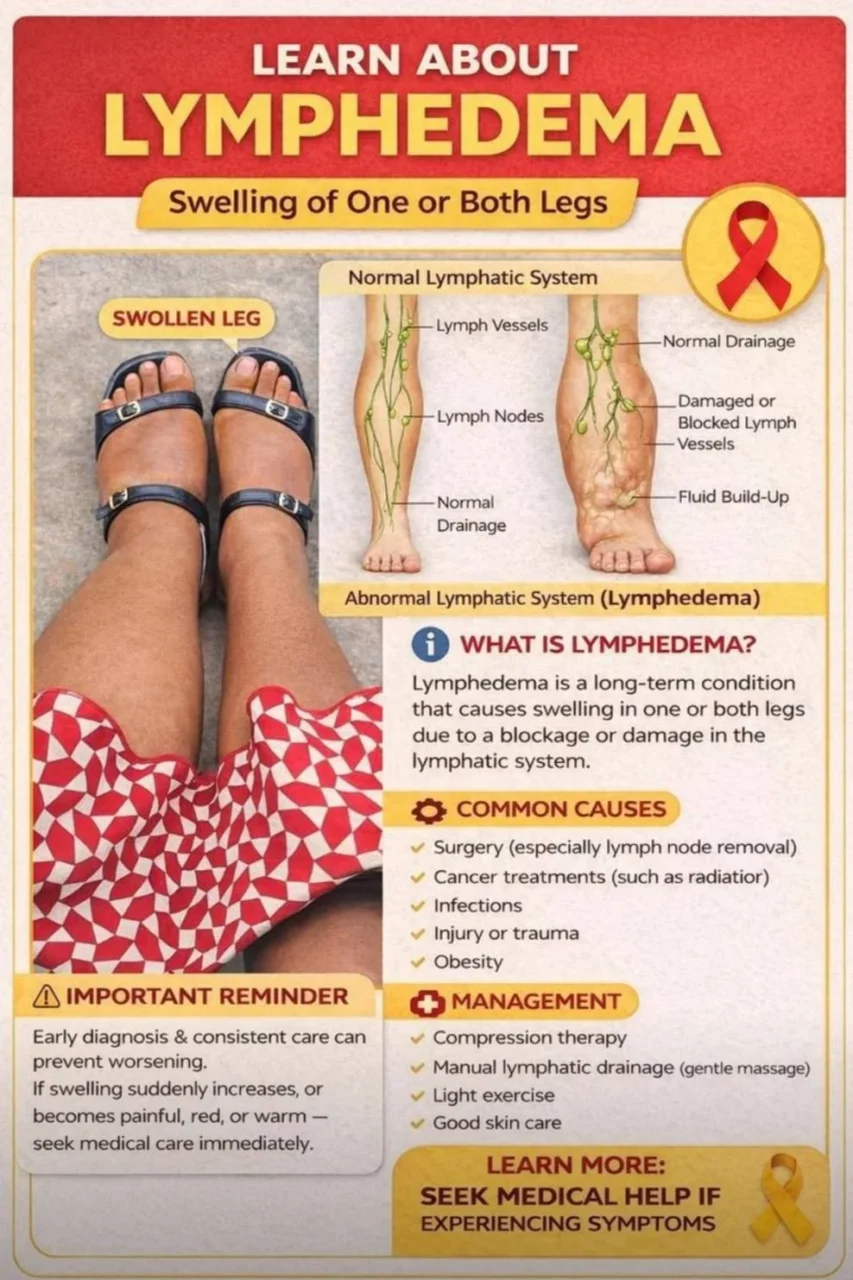
One such condition is lymphedema a chronic swelling that can affect one arm or leg when the lymphatic system fails to properly drain fluid.
What is the Lymphatic System?
The lymphatic system acts as the body’s drainage and defense network consisting of lymph vessels Lymph nodes and Lymph fluid (lymph) Its key functions include:
- Removing excess fluid from tissues
- Filtering harmful substances and infections
- Supporting immune function
- Assisting in fat absorption
When this system is damaged or blocked, fluid accumulates in tissues leading to swelling known as lymphedema.
Why Does Only One Limb Swell?
When swelling occurs in one arm or leg, it often suggests a localized issue affecting drainage or circulation.
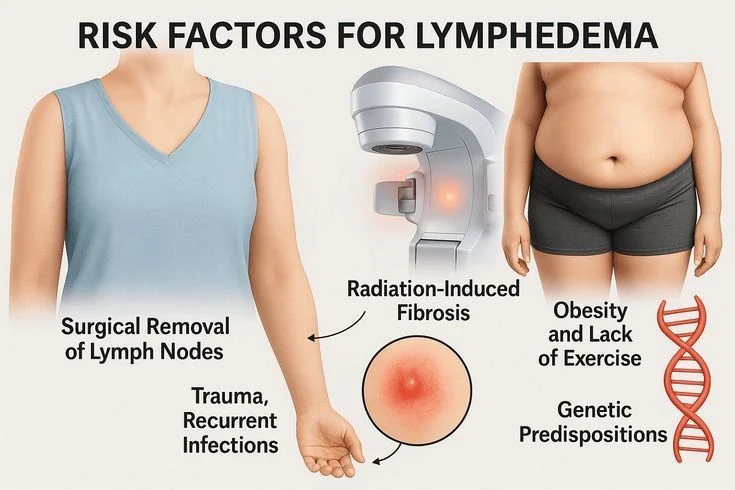
Possible causes of lymphedema:
- Surgery involving lymph node removal
- Radiation therapy (commonly in cancer treatment)
- Infections
- Injury or trauma
Congenital lymphatic abnormalities Common signs include:
- Persistent swelling
- Heaviness or tightness
- Thickened skin
- Reduced flexibility
- Recurrent skin infections
Other Causes of One-Sided Swelling
Deep Vein Thrombosis (DVT): blood clot blocking circulation (medical emergency)
Venous insufficiency: poor return of blood to the heart
Infections (cellulitis): redness, warmth, and pain with swelling Injury or trauma:sprains or fractures
Tumors or masses: compression of lymph or blood vessels
Can Lymphedema Be Prevented?
Not all cases are preventable, especially congenital forms. However, risk can be reduced:
- Maintain a healthy body weight
- Stay physically active
- Avoid prolonged sitting or standing
- Manage chronic conditions early
- Protect skin from injury and infection
- Treat infections promptly
- Use compression therapy when prescribed
- Support circulation during travel or post-surgery recovery
The Role of Nutrition
Nutrition plays a supportive role in lymphatic health and inflammation control:
- Fruits and vegetables provide antioxidants that reduce inflammation
- Maintaining a healthy weight reduces pressure on circulation
- Reducing salt helps limit fluid retention
- Limiting processed foods lowers chronic inflammation
Adequate hydration supports lymph fluid movement
While nutrition alone cannot prevent lymphedema, it supports overall risk reduction and long-term health.
Note
Persistent swelling in one limb should never be ignored especially if it is sudden, painful or associated with redness or shortness of breath.
Early awareness and diagnosis can significantly improve outcomes and quality of life.”
Stay updated with Hemostasis Today.



-
Oct 19, 2026, 03:54Jennifer Trowbridge: How Mutant Blood Stem Cells Use Inflammation to Drive Their Own Expansion
-
Oct 19, 2026, 03:39Wyenona Hicks: Catching Up With Old Friends and New Colleagues at AABB 2026
-
Oct 19, 2026, 03:33Developing a Non-Invasive Treatment for Life-Threatening PE – University of Michigan College of Engineering
-
Oct 19, 2026, 03:28Jim Hoffman: How NETs Contribute to Gallstone Formation and Growth
-
Oct 19, 2026, 03:28Nicolas Hubacz: The Organized Chaos of Mitochondria
-
Oct 19, 2026, 03:02Neda Horvacki: Using ROTEM to Refine Transfusion Decisions in Acute Trauma
-
Oct 19, 2026, 02:45Diego Escarraman Martinez: MATTERs Study – When a Cohort Gave Us Major Clues about TXA in Trauma
-
Oct 19, 2026, 02:35Brian O Mahony: Promoting Physical Activity and Sport in Haemophilia Care
-
Oct 19, 2026, 02:35Malusi Mtetwa: Tranexamic Acid – What Does the Evidence Tell Us?