


Jessica Frye: Understanding VTE in Pregnancy and the Postpartum Period
Jessica Frye, Traveling Labor and Delivery Nurse, shared a post on LinkedIn:
“Understanding Venous Thromboembolism (VTE) in Pregnancy and the Postpartum Period
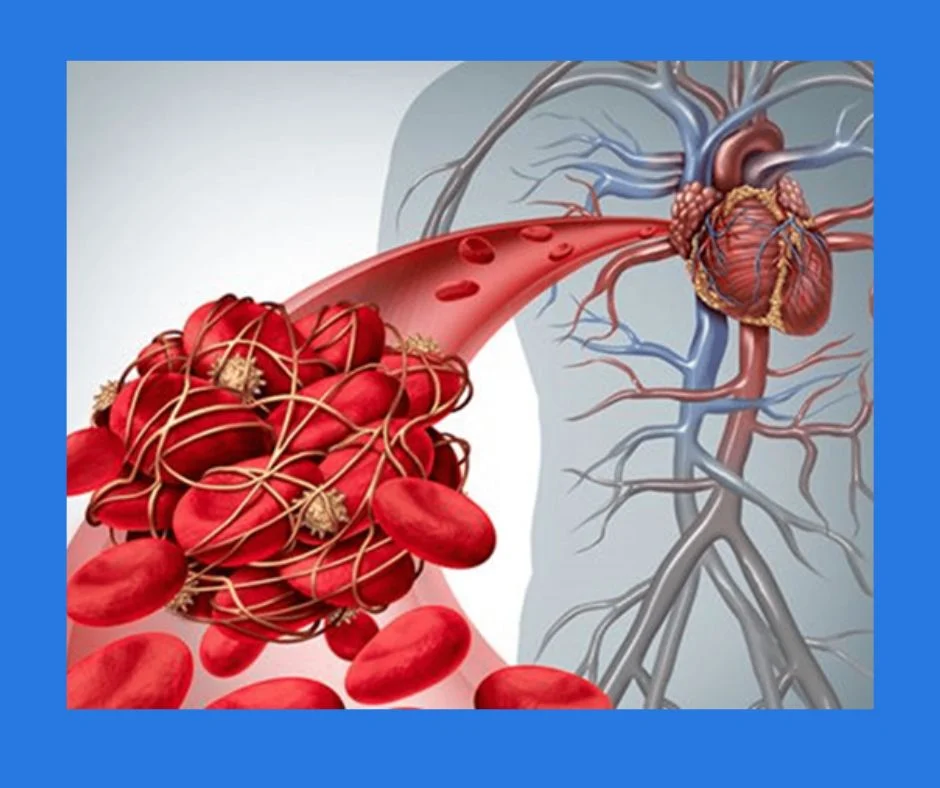
Pregnancy is a hypercoagulable state, meaning the body naturally increases its ability to form blood clots in preparation for childbirth. While this helps reduce bleeding after delivery, it also increases the risk of venous thromboembolism (VTE) – one of the leading causes of preventable maternal morbidity and mortality.
VTE includes two potentially life-threatening conditions:
- Deep Vein Thrombosis (DVT) – A blood clot that most commonly develops in the deep veins of the legs or pelvis.
- Pulmonary Embolism (PE) – Occurs when part of a clot breaks free and travels to the lungs, blocking blood flow. A PE is a medical emergency and can be fatal.
Pregnancy-Related Risk Factors Include:
- Previous VTE
- Cesarean delivery
- Obesity
- Prolonged bed rest or immobility
- Preeclampsia or hypertensive disorders of pregnancy
- Multiple gestation
- Postpartum hemorrhage
- Thrombophilia (inherited or acquired clotting disorders)
- Maternal age greater than 35 years
- Smoking
Warning Signs of DVT
- Unilateral leg swelling
- Calf or thigh pain
- Warmth or redness of the affected extremity
Warning Signs of PE
- Sudden shortness of breath
- Chest pain
- Tachycardia
- Rapid breathing
- Syncope or near-syncope
Early recognition saves lives. Prompt assessment, diagnostic testing, anticoagulation when indicated, and appropriate postpartum thromboprophylaxis are critical to reducing maternal morbidity and mortality.
Birth injury attorneys: Were maternal risk factors identified?
Were warning signs recognized and escalated?
Was appropriate thromboprophylaxis or diagnostic evaluation considered during pregnancy or the postpartum period?”
Stay updated with Hemostasis Today.
-
Nov 9, 2026, 12:18Rob Maloney: Learning to Lead Without Being Needed
-
Nov 9, 2026, 12:08Anand Padmanabhan: Looking forward to presenting at ASH2026 on MGTS
-
Nov 9, 2026, 11:56Stephen Nicholls: The Search for Effective Lp(a) Therapies Continues
-
Nov 9, 2026, 11:48Chokri Ben Lamine: Redefining Toxicity Assessment After Immune Effector Cell Therapy
-
Nov 9, 2026, 11:34Shahram Kordasti: Exploring the Pathophysiology of Aplastic Anaemia at ESHBMFS 2026
-
Nov 9, 2026, 11:30When Kidney Function Affects Blood Production – World Anemia Awareness
-
Nov 9, 2026, 10:32Natalie Arnold: The Lp(a) Puzzle – Why Lower Levels May Not Tell the Whole Story
-
Nov 9, 2026, 10:22ISBT Opens Applications for the I TRY IT Programme 2027
-
Nov 9, 2026, 10:08Ibrahim Mansoor: Rare Tests, Common Diseases – Rethinking Autoimmune Diagnostics