


Kalpana Gupta Shekhawat: A Practical Clinical Approach to Iron Regulation
Kalpana Gupta Shekhawat, Chairperson at the Functional and Metabolic Medicine Academy, Gurugram, India, shared a post on LinkedIn:
“Balancing Ferritin Levels: A Practical Clinical Approach to Iron Regulation
Ferritin is one of the most commonly used markers to assess iron status, yet it is often misinterpreted when evaluated in isolation.
While ferritin reflects iron storage, it is also influenced by inflammation, liver function, metabolic health, and the body’s regulation of iron metabolism.
For this reason, ferritin should always be interpreted in the context of other laboratory markers and the patient’s clinical presentation.
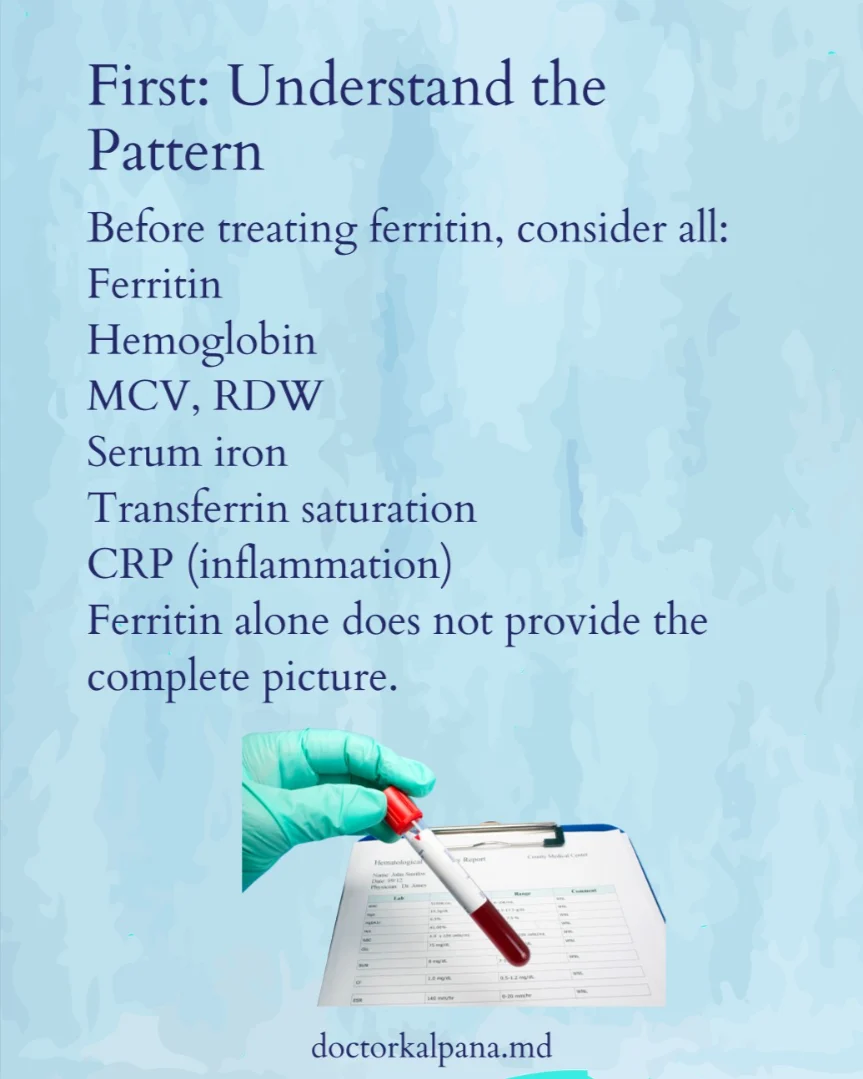
A proper evaluation of iron status typically includes ferritin alongside hemoglobin, mean corpuscular volume (MCV), red cell distribution width (RDW), serum iron, transferrin saturation (TSAT), and inflammatory markers such as C-reactive protein (CRP).
Reviewing these parameters together helps distinguish between true iron deficiency, inflammation-related ferritin elevation, and possible iron overload.
Low ferritin is one of the most reliable indicators of iron deficiency, often seen when levels fall below approximately 30 ng/mL.
However, identifying the underlying cause is essential.
Iron deficiency may result from inadequate dietary intake, chronic blood loss, gastrointestinal infections such as Helicobacter pylori,malabsorption disorders like celiac disease, low gastric acid, or long-term proton pump inhibitor use.
In many cases, impaired absorption rather than low intake is the key contributor.
Management therefore begins with addressing the underlying cause.
When supplementation is required, selecting an appropriate iron preparation, avoiding calcium at the time of dosing, and pairing iron with vitamin C can help improve absorption.
Follow-up testing after six to eight weeks is recommended to monitor response.
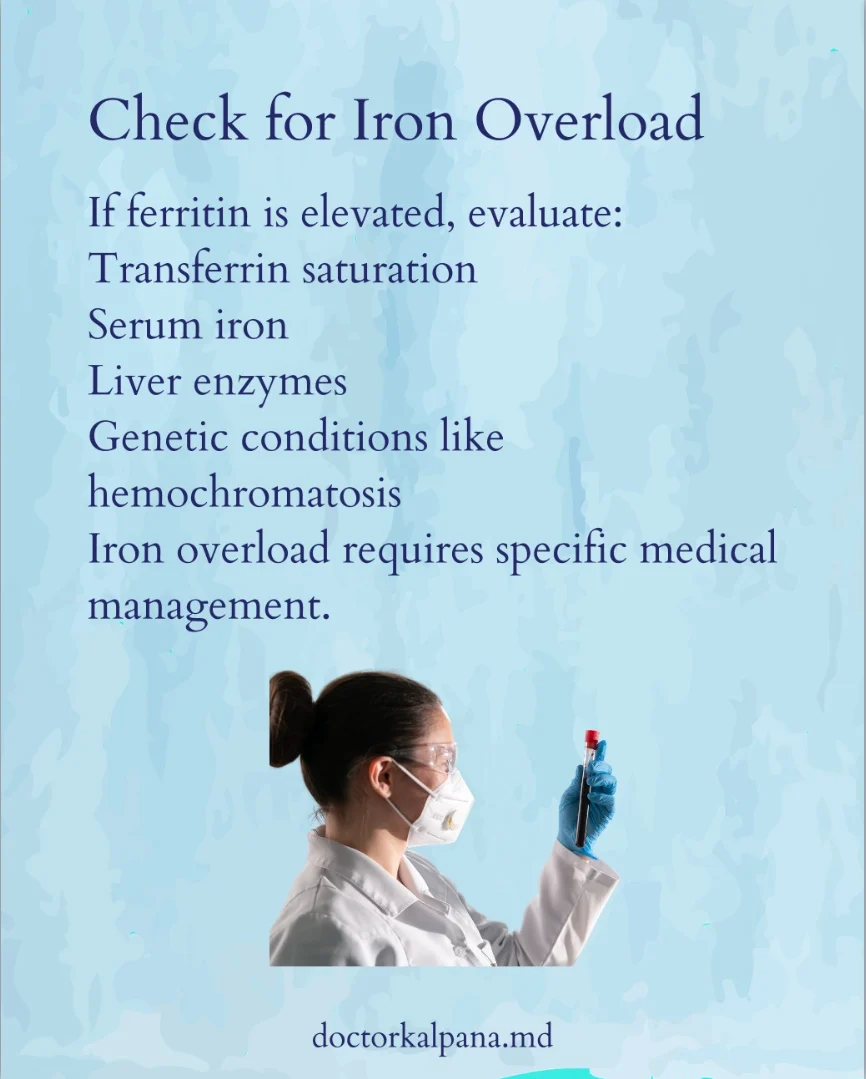
Elevated ferritin does not always indicate excess iron.
Because ferritin is an acute-phase reactant, it can increase in conditions such as chronic inflammation, liver dysfunction, infections, and metabolic syndrome.
In such cases, addressing the underlying metabolic or inflammatory drivers is essential.
Ultimately, the clinical goal is not simply raising or lowering ferritin but restoring balanced iron regulation within the body.”

See more in the gallery.
Stay updated with Hemostasis Today.





-
Sep 27, 2026, 15:49Rana Al-Hrout: Iron Deficency – Is Ferritin 15ng/mL or Less Still the Cutoff?
-
Sep 27, 2026, 15:49Ayushi Sharma: What I Thought Transfusion Medicine Would Be vs What It Actually Is
-
Sep 27, 2026, 15:48William Wallace: How Much Human Research Is Behind the Supplements We Take?
-
Sep 27, 2026, 15:46Franck Perraudin: Lp(a) Lowering Alone May Not Be Enough
-
Sep 27, 2026, 15:41Ahmed Hamandi: Sharing Real-World HSCT Experience at the Iraqi Society of Haematology Conference
-
Sep 27, 2026, 15:39Co-creating Digital Support With Young Stroke Survivors – European Stroke Organisation
-
Sep 27, 2026, 15:39Eleri Schiavone: Celebrating 80 Years of the Welsh Blood Service
-
Sep 27, 2026, 15:38Jessica Garcia: Standing Where VWD Was First Recognized 100 Years Later
-
Sep 27, 2026, 15:37Heghine Khachatryan: A Meaningful Step Forward for Inherited Blood Disorders in Africa