


Kalpana Gupta Shekhawat: Reading Beyond the Numbers – A Deeper Look at Routine Blood Reports
Kalpana Gupta Shekhawat, Chairperson at the Functional and Metabolic Medicine Academy, Gurugram, India, shared a post on LinkedIn:
“Reading Beyond the Numbers: A Deeper Look at Routine Blood Reports
A routine blood report is more than a collection of individual values. When interpreted in context, the relationships between different parameters can provide meaningful insights into inflammation, immune function, cardiometabolic health and nutritional status.
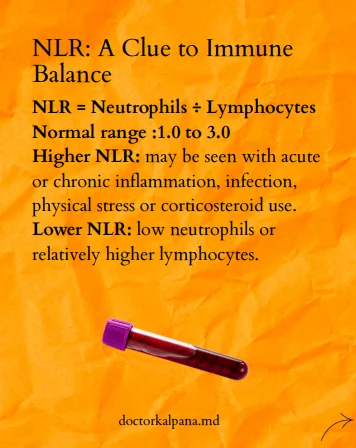
The neutrophil-to-lymphocyte ratio (NLR) is a simple calculation that offers a broader view of immune activity. Calculated by dividing the neutrophil count by the lymphocyte count, an NLR of approximately 1.0–3.0 is considered within the usual range.
An elevated NLR may be observed with infection, inflammation, physiological stress or corticosteroid exposure, while a lower ratio may occur with reduced neutrophil counts or relative lymphocytosis. Its significance depends on the clinical setting.
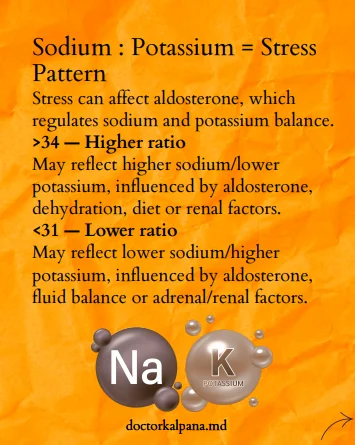
The sodium-to-potassium ratio can provide additional perspective on electrolyte and fluid regulation. A higher ratio may reflect relatively higher sodium or lower potassium and can be influenced by aldosterone activity, hydration, dietary intake and renal function.
A lower ratio may occur with relatively lower sodium or higher potassium and may also warrant consideration of fluid balance and adrenal or renal factors. The ratio should always be interpreted alongside the individual sodium and potassium values.
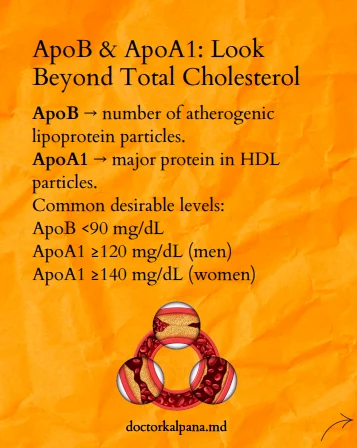
In cardiovascular assessment, Apolipoprotein B (ApoB) and Apolipoprotein A1 (ApoA1) provide information that complements a lipid profile. ApoB reflects the number of atherogenic lipoprotein particles, whereas ApoA1 is the protein associated with HDL particles.
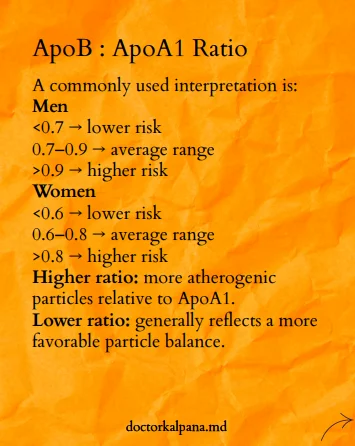
The ApoB:ApoA1 ratio therefore provides an perspective on the balance between atherogenic and protective lipoprotein particles.
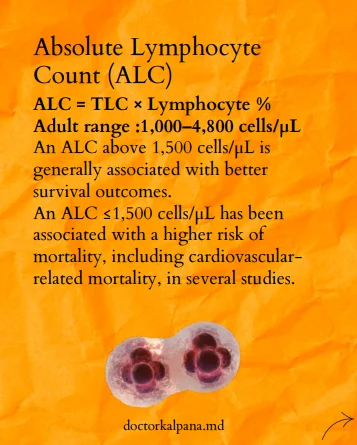
The absolute lymphocyte count (ALC) is calculated from the total leukocyte count and lymphocyte percentage. An adult reference range is generally around 1,000–4,800 cells/µL. Lower lymphocyte counts, particularly values 1,500 cells/µL or less, have been associated with adverse outcomes in observational studies, although ALC should not be interpreted as an independent prognostic marker.
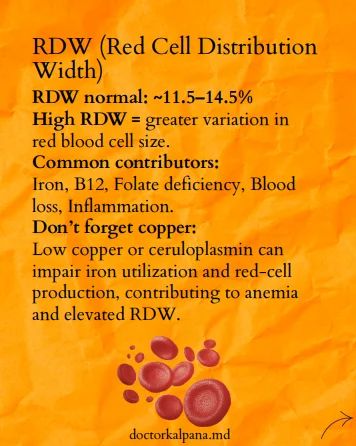
RDW reflects the degree of variation in red blood cell size. An elevated RDW may be seen with iron, vitamin B12 or folate deficiency, blood loss and inflammation. Copper deficiency and low ceruloplasmin can also affect iron utilization and erythropoiesis and may contribute to anemia with an elevated RDW in appropriate clinical contexts.
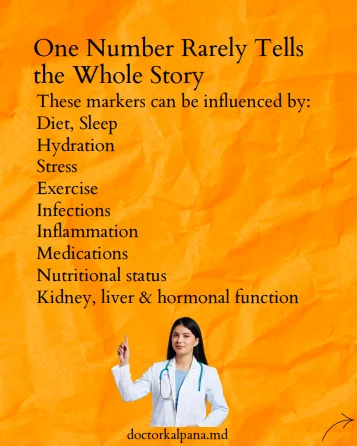
Ultimately, the clinical value of a blood report lies not in a number, but in the patterns, relationships and trends across multiple parameters. Sleep, nutrition, hydration, stress, exercise, infection, inflammation, medications and kidney, liver and endocrine function can influence laboratory results.
For clinicians, interpreting these findings alongside the patients symptoms, history, examination and longitudinal trends provides a more complete picture—and often reveals information that an isolated value cannot.”

Other posts featuring Kalpana Gupta Shekhawat on Hemostasis Today.


-
Oct 3, 2026, 00:19Nicolas Hubacz: Immune Cells in the Embryo
-
Oct 3, 2026, 00:17Paulus Kirchhof: Aortic stiffness – A Consequence of High Blood Pressure, or a Driver, or Both?
-
Oct 3, 2026, 00:17Konstantin Yenkoyan: When Science Steps Outside the Laboratory – ERNA 2026
-
Oct 2, 2026, 18:34Kamini Khillan: Massive Transfusion Protocol for PPH Management
-
Oct 2, 2026, 18:24Garima Sharma։ GLP-1 Receptor Agonists Across the Reproductive Life Course
-
Oct 2, 2026, 18:13Priya Sriskandarajah: Roginolisib Plus JAK Inhibitors in Myelofibrosis
-
Oct 2, 2026, 17:40Chokri Ben Lamine: A Two-Day Journey Through Modern Hematology at KFSHRC
-
Oct 2, 2026, 17:27Reza Shojaei: The Invisible Crisis, Part 1- Donor Deferral in Whole Blood
-
Oct 2, 2026, 16:02Advancing Antithrombotic Stewardship to Optimise Care – American Heart Association