

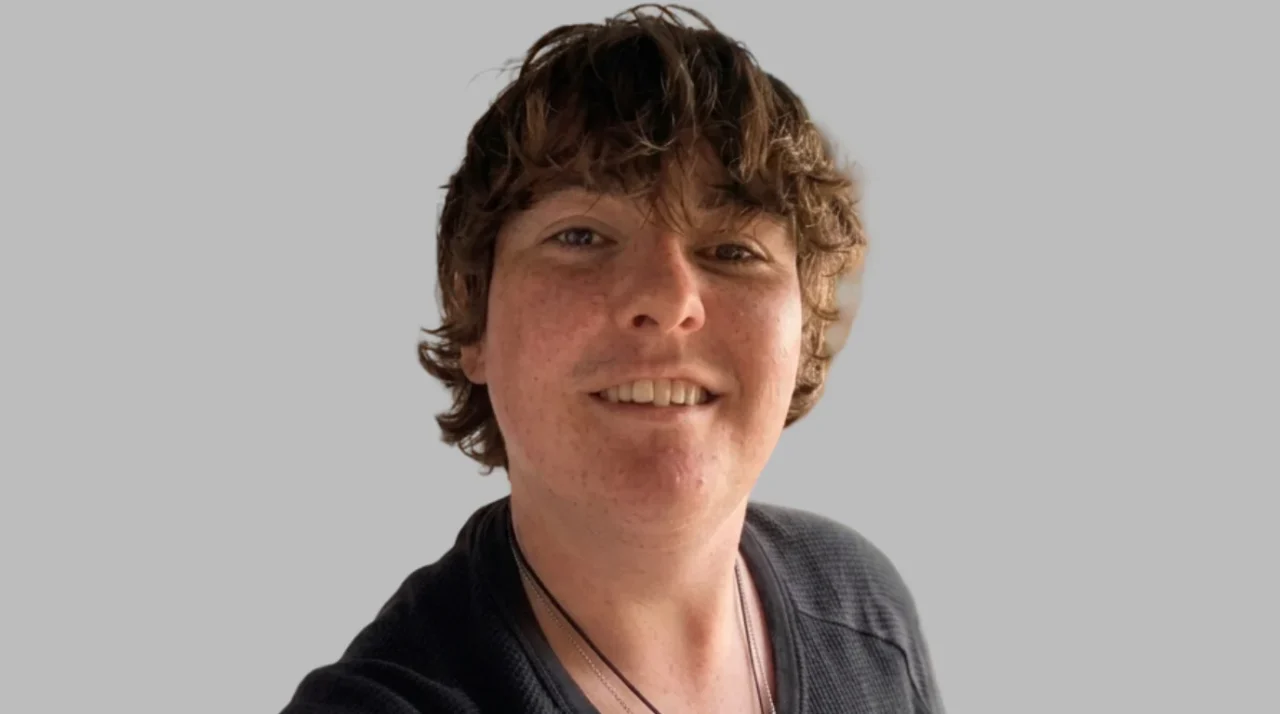
Katya McCarthy: From Lab Specialist to Patient – Facing Polycythemia and Venous Thrombosis
Katya McCarthy, Former Tissue Processing Operator at Anteris Technologies, shared Anteris Technologies’s post on LinkedIn:
“This one hits differently given my background, because I’ve spent most of my career working directly with blood, haematology and cardiovascular tissue.
I started out as a phlebotomist, then moved into laboratory work at Australian Red Cross Lifeblood, processing whole blood into components including packed red blood cells, plasma and platelets.
That meant working around the practical side of haematology every day: collection, component separation, processing, storage conditions, QC, traceability and the effects of all of those variables on the final product.
From there I moved into tissue processing at Anteris, working with biological tissue used in heart valve technology, so I went from blood components to the processing of cardiovascular tissue.
Now, somewhat ironically, I’m the specimen.
I’ve been diagnosed with venous valvular insufficiency, polycythaemia and superficial venous thrombosis.
The venous insufficiency is essentially a haemodynamic problem.
Incompetent venous valves allow retrograde flow, particularly under the hydrostatic pressure generated in the lower limbs.
Instead of maintaining efficient unidirectional return towards the heart, blood can reflux and pool distally, contributing to venous hypertension and the symptoms associated with chronic venous insufficiency.
Then there’s the haematology side.
Polycythaemia means an increased red cell mass, depending on the underlying cause, which can increase whole-blood viscosity.
That becomes particularly relevant when you’re also dealing with venous circulation and thrombosis.
And then there’s the superficial venous thrombosis, which brings the coagulation side of the equation into it as well: local thrombus formation within a superficial vein rather than simply a problem with venous flow.
It’s a weird perspective shift having spent years processing blood products and biological tissue, understanding the laboratory side of coagulation and haematology, and then having your own CBC, haematocrit, venous studies and thrombotic history become the things you’re looking at.
I’ve gone from processing RBCs, plasma and platelets to thinking about my own RBC mass, viscosity, venous haemodynamics, valve competence and thrombus formation.
Apparently I never really left the laboratory.”
Anteris Technologies shared a post on LinkedIn:
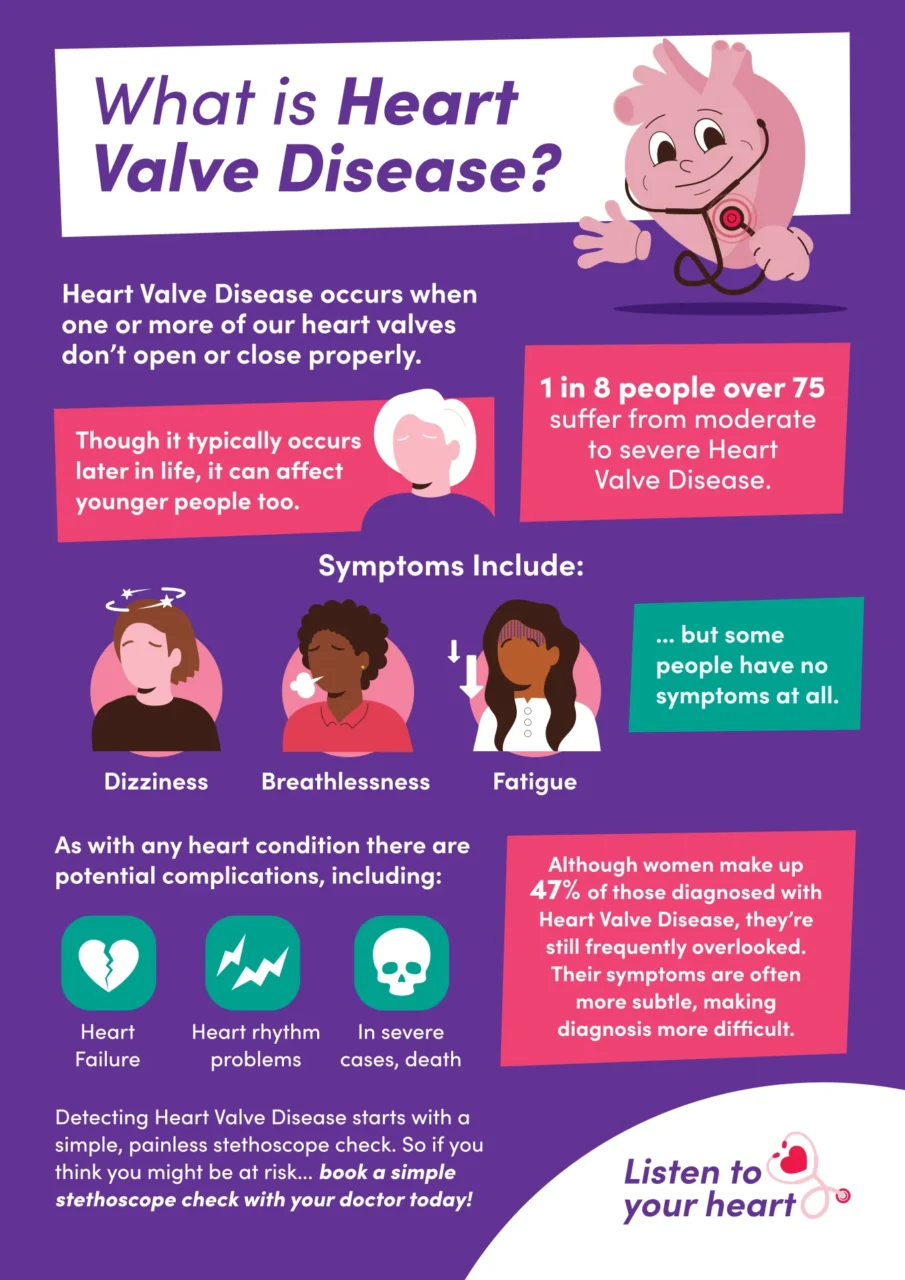
“Heart valve disease doesn’t always look the same for everyone.
This Heart Valve Disease Awareness Week, we’re raising awareness about aortic stenosis in women.
Women are often diagnosed later because symptoms can present differently and are too often attributed to normal aging.
David St. Denis, President of Anteris Technologies, recently highlighted the need for greater awareness, patient advocacy, and more inclusive research to help close this gap.
Read the full interview:.
At Anteris Technologies, our mission is to forge new frontiers in cardiac care by pioneering science-driven and measurable advancements to restore heart valve patients to healthy function.
As part of that commitment, our clinical trials include a high representation of women, helping us better understand how the DurAVR Transcatheter Heart Valve performs in smaller, more complex anatomies and its potential to improve outcomes for these historically underserved patients.”
Stay updated with Hemostasis Today.
-
Sep 15, 2026, 23:19Narat Srivali: Chronic Preoperative Corticosteroid Use Associated with 51% Higher Postoperative VTE Risk
-
Sep 15, 2026, 23:13Grace M Thomas: Join 3rd edition of the Neutrophil Club of SFI Webinar Series on Thromboinflammation
-
Sep 15, 2026, 23:05Noha K Hashmi: Honoured to Present 2 Case-Based Posters at the 5th MENA Conference for Rare Diseases 2026
-
Sep 15, 2026, 22:56Susan Slingluff Hartmann: How NBDF and the BDRC Are Putting Lived Experience at the Heart of Studies
-
Sep 15, 2026, 22:50Shehab Mohamed: New GCC Consensus Recommendations for the Diagnosis and Management of HLH
-
Sep 15, 2026, 22:42100 Years of von Willebrand Disease: What Has a Century of Progress Taught Us? – EAHAD
-
Sep 15, 2026, 22:38Cedric Hermans: How Iis TFPI Inhibition Changing Haemophilia Care?
-
Sep 15, 2026, 17:33Reza Shojaei: Blood and Plasma Donors Are Not a Production Metric
-
Sep 15, 2026, 17:32Thomas Dayspring: MHT for Vasomotor Symptoms May Also Offer Cardiovascular Benefits