

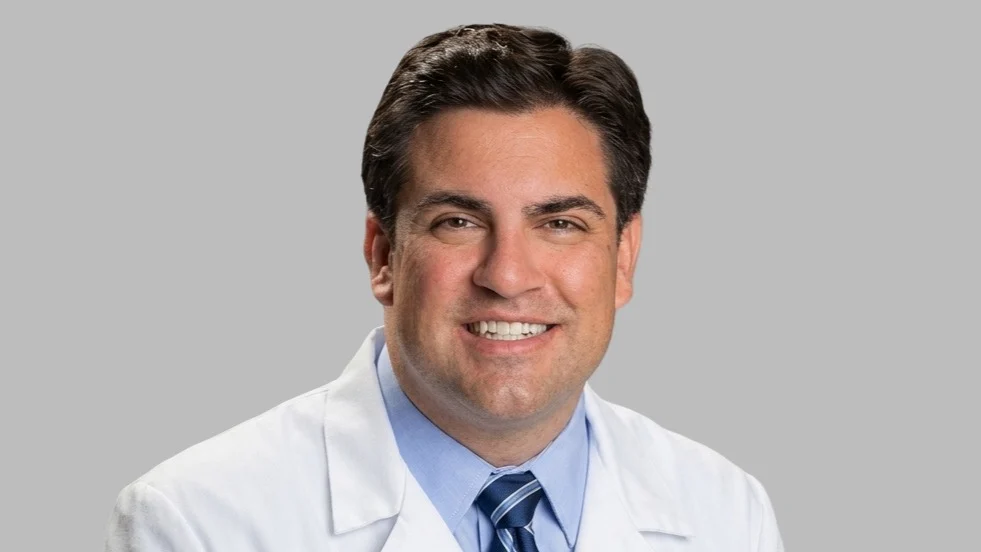
Nathan Connell: Celebrating 100 Years of von Willebrand Disease at ISTH 2026
Nathan Connell, Clinical Chief of Hematology at Brigham and Women’s Faulkner Hospital, shared a post on LinkedIn:
“Excited to be in Paris representing the Boston.
Bleeding Disorders Center for the opening day of ISTH 2026.
I am looking forward to connecting with colleagues from around the world to discuss the latest science and advances in care for people with inherited bleeding disorders, and to supporting my Mass General Brigham colleagues as they present their work.
I am particularly looking forward to the VWF Scientific and Standardization Committee session as we mark 100 years since Erik von Willebrand’s landmark publication describing the bleeding disorder that would ultimately bear his name.
I am also grateful to the International Society on Thrombosis and Haemostasis (ISTH) Scientific Programme Committee for including important sessions focused on improving the diagnosis and management of bleeding disorders in women and girls.
These discussions are essential to addressing persistent gaps in recognition, evidence, and care.
Looking forward to an engaging and productive meeting.”

Other posts featuring Nathan Connell on Hemostasis Today.
-
Oct 9, 2026, 11:51Sumaiya Dickens: Marginal Zone B Cells in Transfusion Medicine and Hemophilia A Research
-
Oct 9, 2026, 11:44Ayyappan V Nair: PRP and Rehabilitation – Can It Help Athletes with Partial Rotator Cuff Tears?
-
Oct 9, 2026, 11:29Jigesha Dholakia: Supporting the Hemophilia Community Through the Unite Walk
-
Oct 9, 2026, 11:06Nobles Green: How siRNA Therapy Helps the Body Form Stronger Clots
-
Oct 9, 2026, 10:53Switching From Emicizumab to Denecimig in Hemophilia A – Rare Disease Advisor
-
Oct 9, 2026, 10:40What New U.S. Data Reveal About GT – Glanzmann’s Research Foundation
-
Oct 9, 2026, 10:32Anjali Pandey: The Morphologic Clues to MDS With del(5q)
-
Oct 9, 2026, 10:13Reza Shojaei: 5 Leadership Responsibilities for a Sustainable Plasma Ecosystem
-
Oct 9, 2026, 08:38Johannes Gratz: Perioperative Care in Factor VII Deficiency – Treating the Patient, Not the Number