

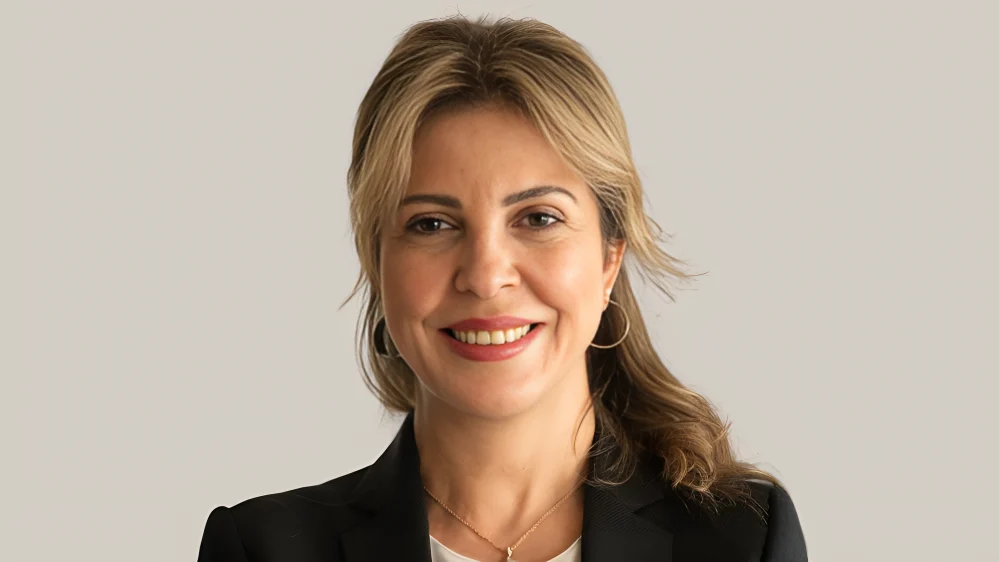
Olfat Berro: Redefining the Future of Haemophilia A
Olfat Berro, Area Head Middle East Roche Pharmaceuticals at Roche Middle East, shared a post on LinkedIn.
“A few years ago, I sat down with the mother of a child living with haemophilia A. I remember her speaking about the uncertainty around it.
What will his life look like as he grows up? How much will haemophilia shape the choices he can make? Will we always have to plan life around it?
I never forgot those questions, because it reminded me that behind every discussion we have about scientific innovation, there are patients and families asking very human questions about their future.
Today, around 900,000 people worldwide are living with haemophilia A. And the outlook for many families is very different from what it was for generations before.
A child born with haemophilia A today can begin prophylaxis from day one. We are moving closer to a new reality where many more people may live with a mind free from haemophilia A.
Dr Kunihiro Hattori, Dr Takehisa Kitazawa and Dr Tomoyuki Igawa from our partner Chugai Pharmaceutical Co., Ltd. have received the 2026 Lasker Award for Clinical Medical Research. Their work fundamentally changed the answer to that mother’s question.
They pursued an unconventional idea: a bispecific antibody designed to replace the function of Factor VIII, which is deficient in haemophilia A. Their bold scientific thinking helped redefine what was scientifically possible, pushing beyond traditional treatment approaches and helping address unmet needs for people living with the condition.
There are years between the questions of a worried parent and a moment like today’s recognition.
Years of research. Ideas that had to be tested and refined. Questions without immediate answers. Scientists continuing to search because there was still a patient need waiting to be answered.
And this is why I feel such a deep sense of pride in our partnerships and everyday work.
Today, we celebrate three remarkable scientists and a breakthrough recognized with one of the world’s most respected scientific honors.
But I also find myself thinking about that parent. And about all the patients and families who may never know the names of the scientists behind the progress they experience, but whose lives are the true measure of what that progress means.
Scientific breakthrough changes the answer to a family’s question about what the future could look like.
Congratulations, Dr Hattori, Dr Kitazawa and Dr Igawa.”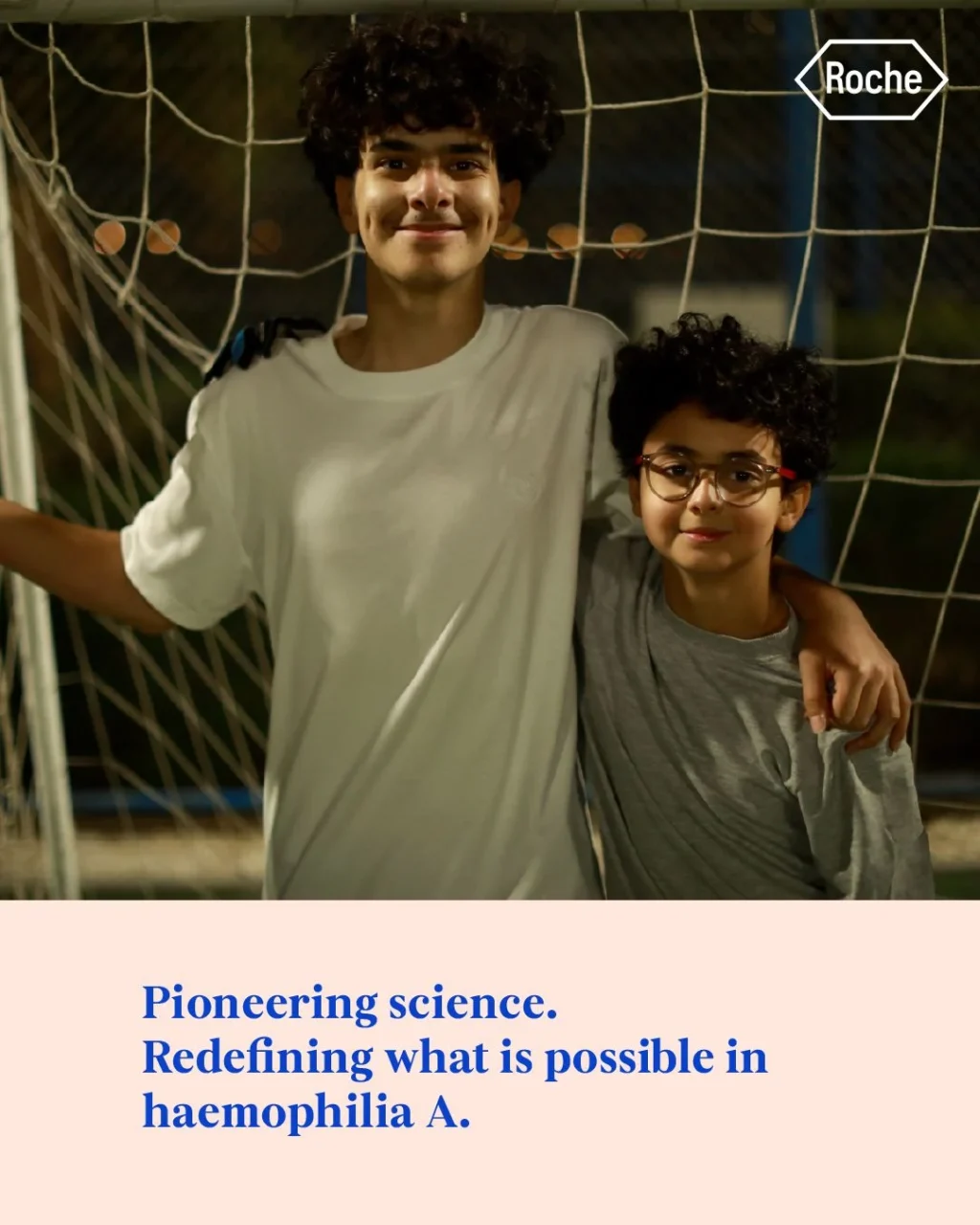
Stay updated with Hemostasis Today.
-
Oct 8, 2026, 03:35Tasnia Tarana: Heavy Menstrual Bleeding When the Cause Is Not in the Uterus
-
Oct 8, 2026, 03:28Kian Haseli: Electrophysiological PIEZO1 Analysis Advances Diagnosis in Hereditary Xerocytosis
-
Oct 8, 2026, 03:20Sthanu Subramanian: Leukopenia in Sepsis A Marker of Severe Disease
-
Oct 7, 2026, 16:44Amor Salah: 2026 NCS/SCCM Guidelines for Managing Antithrombotic-Associated ICH
-
Oct 7, 2026, 16:04NETs in Thrombosis: From Mechanism to Therapeutic Target
-
Oct 7, 2026, 15:28Amir Samimi: Prognostic Value of Platelet Count in Resected HNSCC
-
Oct 7, 2026, 15:21Eloïse Laouenan: Bridging Immunity and Thrombosis in MVTE
-
Oct 7, 2026, 15:10Uthra Sundaram: Honouring Donors During International Plasma Awareness Week
-
Oct 7, 2026, 15:04Daniel Victor Ortigoza: Should Frail Older Patients With AF Switch From VKA to DOACs?