

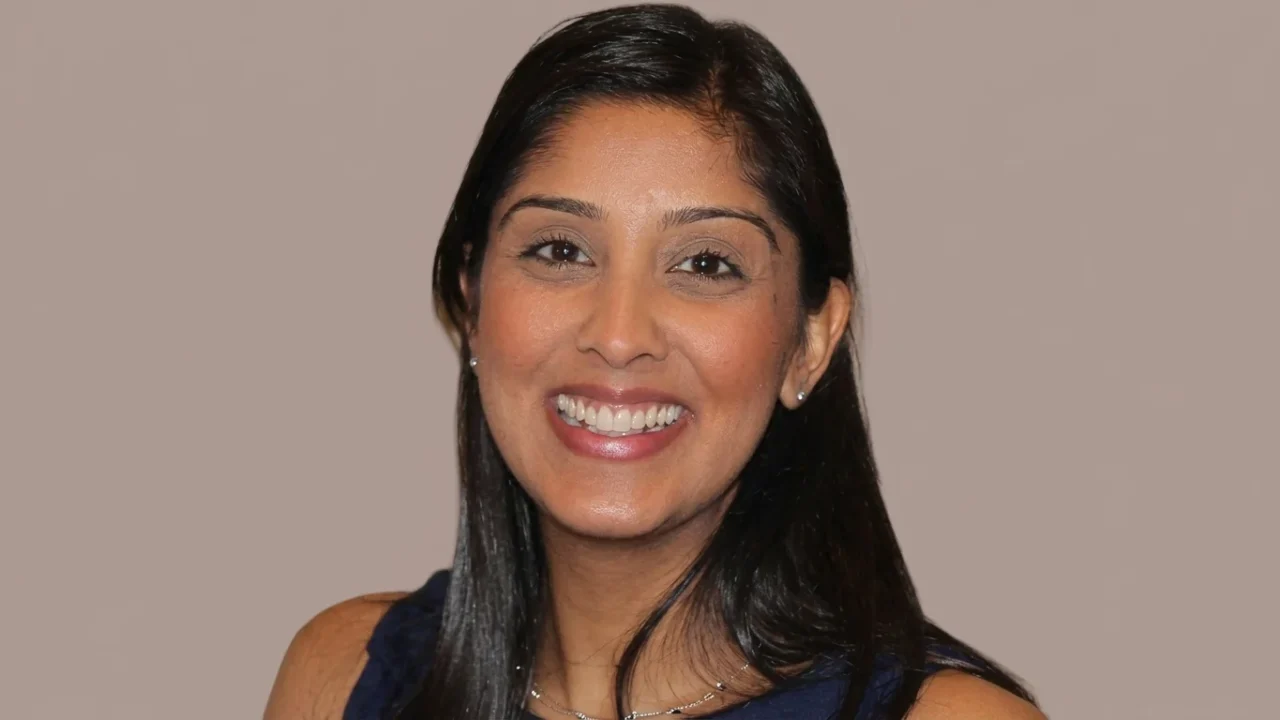
Prachi Patel: How B Vitamins and Large-Scale Research Are Shaping Stroke Prevention
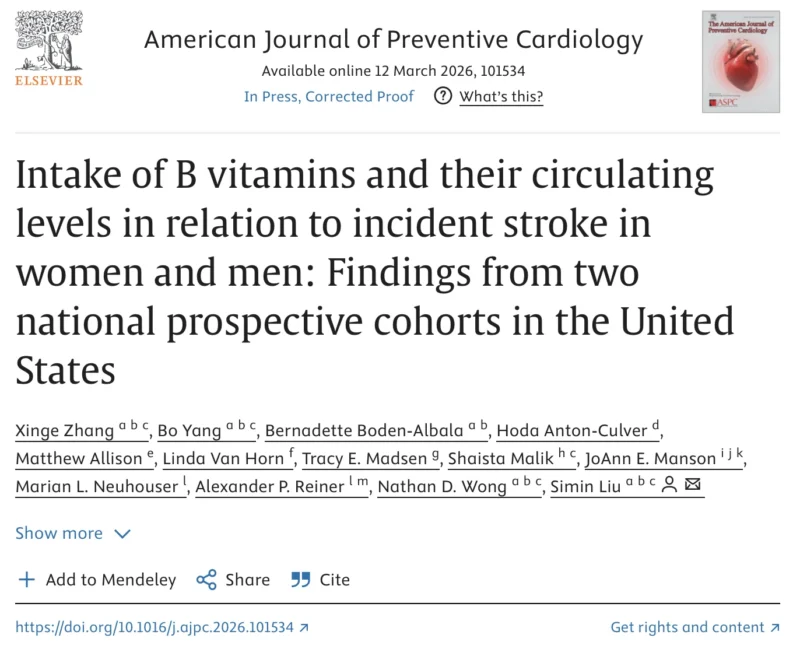
Prachi Patel, Executive Strategic Communications Consultant at Patel Public Affairs, shared on LinkedIn about a recent article by Xinge Zhang et al, published in American Journal of Preventive Cardiology:
”Hot off the press, read all about it: eat your B vitamins, lower your stroke risk.
A new study in the American Journal of Preventive Cardiology found that higher intake and circulating levels of three B vitamins – thiamin, riboflavin, niacin – were linked to lower stroke risk.
And the foods delivering them?
Whole grains, eggs, dairy, poultry, fish, legumes, nuts, seeds.
All likely to be in your fridge or pantry.
But here’s the part I want to sit with.
Researchers paired dietary data from approximately 120,000 women in the Women’s Health Initiative with blood biomarker data from nearly 100,000 participants in the All of Us Research Program.
All of Us is often described as America’s biobank, and it is.
But that framing undersells it. All of Us is a key federal investment that is actively pouring out discoveries that advance the health of all Americans.
Linking real-world and genomic data from a participant community of nearly 900,000 people from across the country and making it available to researchers who are asking the questions that matter.
About the topics that matter.
Stroke risk. Drug response. Rare diseases. Nutrition. Cancer. Chronic conditions.
Every study like this one is a return on that investment.”
Title: Intake of B vitamins and their circulating levels in relation to incident stroke in women and men: Findings from two national prospective cohorts in the United States
Authors: Xinge Zhang, Bo Yang, Bernadette Boden-Albala, Hoda Anton-Culver, Matthew Allison, Linda Van Horn, Tracy Madsen, Shaista Malik, JoAnn Manson, Marian Neuhouser, Alexander Reiner, Nathan Wong, Simin Liu
Read the Full Article on American Journal of Preventive Cardiology
Stay updated on all scientific advances with Hemostasis Today.
-
Oct 9, 2026, 16:23David Boone: Distinguishing Stroke Prevention from Rhythm Control in Atrial Fibrillation
-
Oct 9, 2026, 15:27Mohamed Hegazi: Geostatistical Modelling Maps Global β-Thalassaemia Carrier Prevalence
-
Oct 9, 2026, 15:15Maha Othman: Uncovering the Consensus on TXA in TBI – Call for Collaboration on a Landmark Umbrella Review
-
Oct 9, 2026, 15:07Daniel D. Han: How Inhalation Product Exposure Impairs Cardiac and Platelet Recovery After MI
-
Oct 9, 2026, 14:58William Toole: How Ultrasound-Guided PRP Therapy Relieves Joint and Tendon Pain
-
Oct 9, 2026, 14:50Shayan Mohammadmoradi: In Corpus Christi for the 20th Midwest Platelet Conference
-
Oct 9, 2026, 14:37Tariq Tramboo: High Platelet Concentrate for Osteoarthritis Knee – Recent Meta-Analyses
-
Oct 9, 2026, 14:26Yousma Khan: Hematology Series – Beyond RBCs, WBCs and Platelets
-
Oct 9, 2026, 14:13Jesus Ardila Novoa: Why the WHO’s Historic Essential Medicines List Decision Is Just the Beginning