


Sally Mandour: Methemoglobinemia When Hemoglobin Cannot Carry Oxygen
Sally Mandour, Associate Professor, Head of Hematology Unit at Clinical Pathology Department of National Liver Institute, Monofeya University, shared a post on LinkedIn:
“When haemoglobin can’t carry oxygen!
Methemoglobin is haemoglobin with its iron oxidised to the ferric (Fe³plus) state and in that form, it simply cannot bind oxygen.
Normally, this it is kept below 1 percent of total haemoglobin owing to the NADH dependent methemoglobin reductase system, which reduces methemoglobin back to its functional form at roughly 250 times the rate it’s normally produced.
Methemoglobinaemia is diagnosed once methemoglobin exceeds 1percent and it happens when this balance breaks down.
Clinical types:
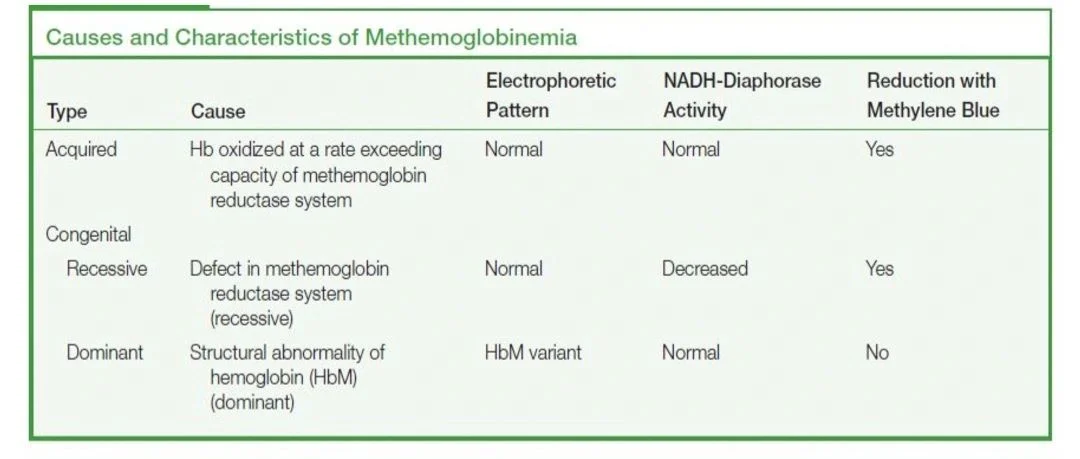
Acquired the most common cause.
Drugs or toxic substances oxidise haemoglobin faster than the reductase system can keep up, overwhelming an otherwise normal enzyme pathway.
Congenital inherited in two very different ways:
Recessive NADH diaphorase (methemoglobin reductase) deficiency.
The enzyme system itself is defective, so the small amount of methemoglobin formed daily simply can’t be reduced and gradually accumulates.
Dominant caused by Haemoglobin M (HbM), a structural variant.
Of the nine described HbM variants, all occur only in the heterozygous state.
Most arise from a tyrosine substitution for the proximal or distal histidine in the haem pocket tyrosine forms a covalent bond with the haem iron, locking it into the oxidised, ferric state and making it resistant to reduction.
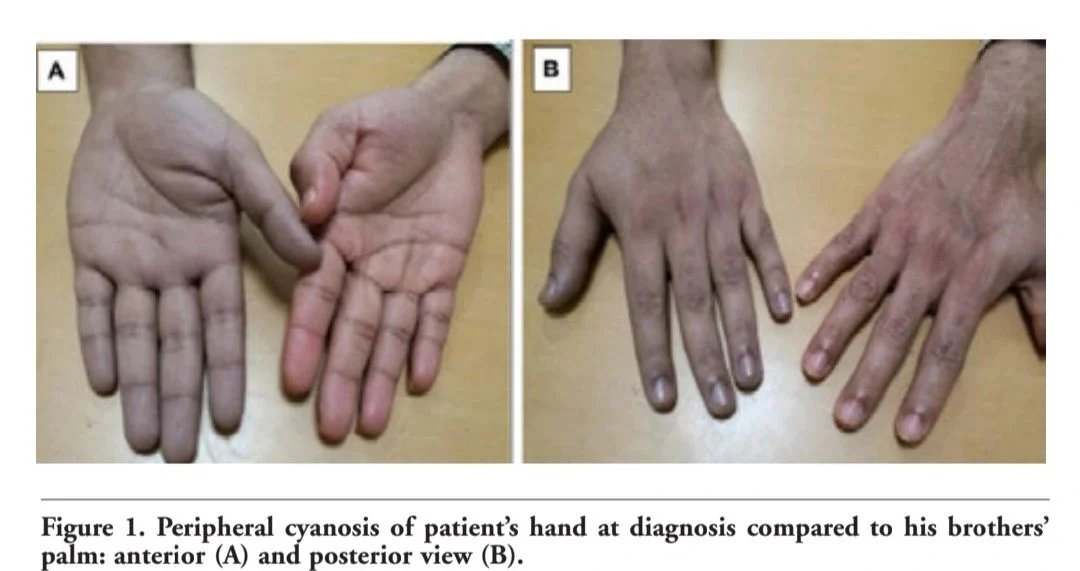
Cyanosis that doesn’t improve with supplemental oxygen is a red flag chocolate brown drawn blood sample rather than bright red also a sign, even on exposure to air.
This happens because methemoglobin simply can’t bind oxygen, so the blood never regains that characteristic red colour.”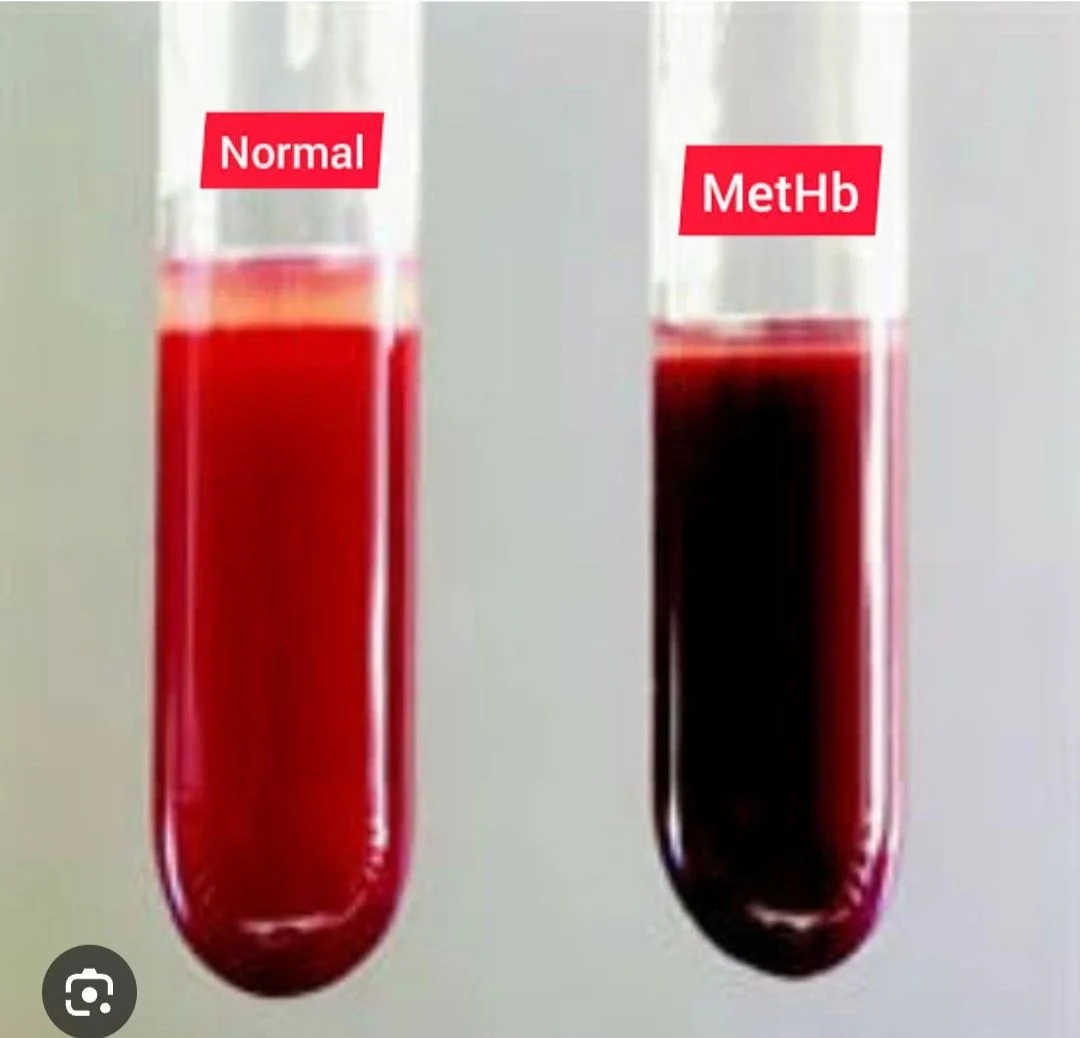
Stay updated with Hemostasis Today.
-
Oct 13, 2026, 15:21Renel Tique: Advancing Hemophilia Care Through Global Collaboration and Clinical Innovation
-
Oct 13, 2026, 15:08Anastasia Chatzistamati: Unilateral Adrenal Haemorrhage in Primary Antiphospholipid Syndrome
-
Oct 13, 2026, 15:08Yousma Khan: Hematology Practical Series Day 11 Reticulocyte Count and Its Role in Anemia Diagnosis
-
Oct 13, 2026, 14:56Manal Rayyan: Multidisciplinary Collaboration in Rare Bleeding Disorders – Reflections from Abu Dhabi
-
Oct 13, 2026, 14:54Kalyan Roy: Understanding Blood Transfusion Sets for Safe Clinical Administration
-
Oct 13, 2026, 14:52Chedia Aroua: When Pharmacokinetics Meets Geophysics – Finding Unlikely Connections in Hemophilia Care
-
Oct 13, 2026, 14:47Mehmet Can Uğur: Honored by the Presence and Mentorship of Prof. Dargaud at Our Congress
-
Oct 13, 2026, 14:40Cheryl Loetscher: This Day in Drug Discovery – Wakix and H3 Receptor Inverse Agonism in Narcolepsy
-
Oct 13, 2026, 14:30Thirunavukkarasu Angappan: FVIII vs. FIX Expressive Durability – Key Lessons from GENEr8-1 and HOPE-B Long-Term Data