

Tasawar Siddique: Early Detection of Nephrotic Syndrome
Tasawar Siddique, Surgery Resident, Graduate Student at The Third Xiangya Hospital Of Central South University, shared a post on LinkedIn:
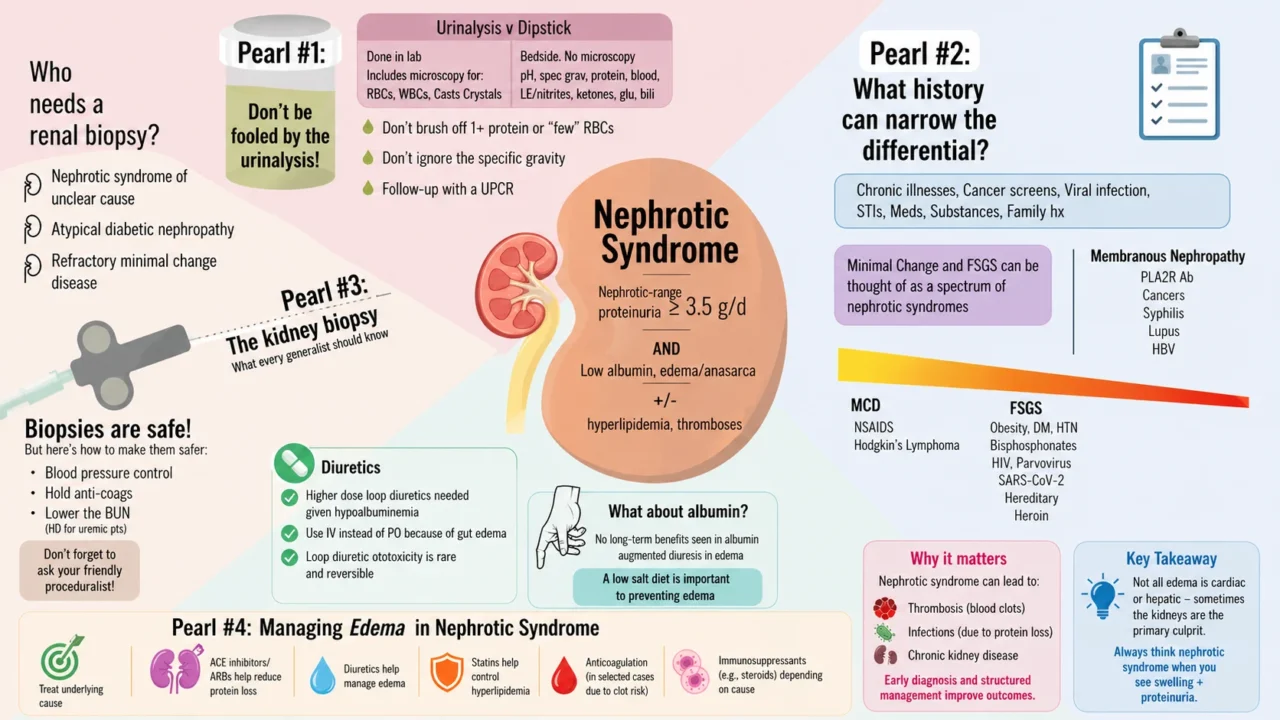
”Nephrotic Syndrome – What Every Clinician Should Recognize Early
Nephrotic syndrome is more than just ‘protein in urine.’
It’s a glomerular (kidney filter) disorder that leads to significant protein loss, fluid imbalance, and increased risk of complications. Early recognition can prevent long-term kidney damage and systemic effects.
What is Nephrotic Syndrome?
In simple terms, the kidneys start ‘leaking protein.’
Medically, it’s defined by:
- Heavy proteinuria (greater than 3.5 g/day)
- Hypoalbuminemia (low blood protein)
- Edema (swelling)
- Hyperlipidemia
Common Causes
- Primary (kidney-related): Minimal change disease, FSGS, membranous nephropathy
- Secondary: Diabetes mellitus, lupus, infections, drugs
Clinical Features (What You’ll See)
- Generalized swelling (face, legs, abdomen)
- Frothy or ‘bubbly’ urine
- Weight gain due to fluid retention
- Fatigue, reduced urine output in some cases
Key Investigations
- Urine analysis shows proteinuria
- Serum albumin is low
- Lipid profile shows elevated cholesterol
- Renal function tests
- Kidney biopsy (when indicated)
Management Principles
- Treat underlying cause
- ACE inhibitors/ARBs help reduce protein loss
- Diuretics help manage edema
- Statins help control hyperlipidemia
- Anticoagulation (in selected cases due to clot risk)
- Immunosuppressants (e.g., steroids) depending on cause
Why It Matters
Nephrotic syndrome can lead to:
- Thrombosis (blood clots)
- Infections (due to protein loss)
- Chronic kidney disease
Early diagnosis and structured management improve outcomes significantly.
Clinical Insight
From hospital wards to remote telehealth settings, understanding nephrotic syndrome helps clinicians guide patients, monitor labs, and manage complications effectively – even at a distance.
Takeaway
Not all edema is cardiac or hepatic – sometimes the kidneys are the primary culprit.
Always think nephrotic syndrome when you see swelling and proteinuria.”
Stay updated with Hemostasis Today.
-
Sep 23, 2026, 07:07Wolfgang Miesbach: Mechanisms of Liver Injury After Hemophilia A Gene Therapy
-
Sep 23, 2026, 06:24Nicolas Gendron: Everolimus and Venous Thromboembolic Risk in Kidney Transplantation
-
Sep 23, 2026, 06:07Hoori Shahwar: Cerebral Venous Sinus Thrombosis Diagnosis and Management
-
Sep 23, 2026, 06:06Advancing Hemophilia Care and Patient Advocacy in Bangladesh – World Federation of Hemophilia
-
Sep 23, 2026, 05:54Bringing the Global Thrombosis and Haemostasis Community Together in 2027 – ISTH
-
Sep 23, 2026, 04:34David Akande: When Sickle Cell Crises Have No Clear Trigger
-
Sep 23, 2026, 04:13Jean Connors: Safety of Heparin Re-Exposure in Patients with Remote HIT
-
Sep 23, 2026, 04:09Beth Psaila: Applications Now Open for the Gordon Research Conference on Megakaryocytes and Platelets
-
Sep 23, 2026, 03:27Abbie Newton: How Better Data Can Reduce Platelet Wastage