

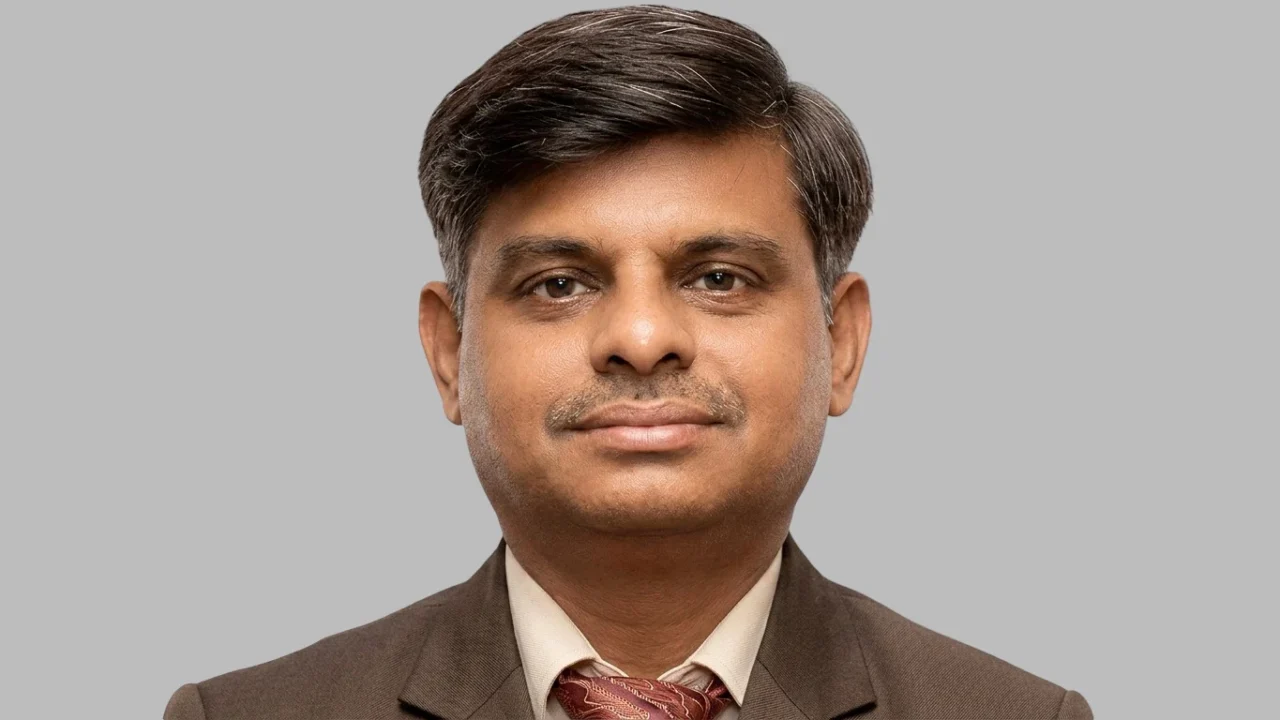
Thirunavukkarasu Angappan: The Geopolitics of Plasma Supply and Self-Sufficiency
Thirunavukkarasu Angappan, Vice President of Operations and Manufacturing at PopVax, shared a post on LinkedIn:
“The World Runs on American Plasma — And That’s Dangerous.
One country supplies most of the world’s source plasma.
That creates a global healthcare vulnerability few policymakers discuss openly.
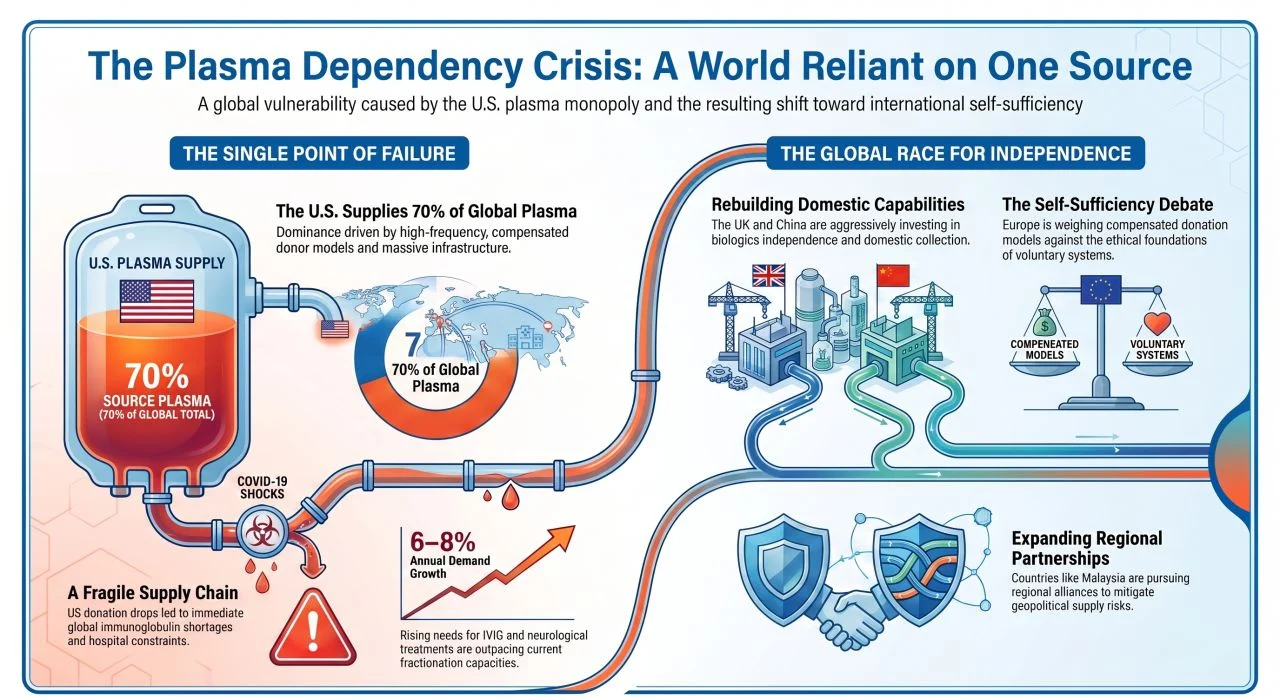
Today, the United States contributes approximately 70 percent of global source plasma supply.
That dominance is driven by:
- compensated donor systems
- high-frequency donation models
- massive collection infrastructure
- vertically integrated plasma networks
But this concentration creates systemic risk.
During COVID-19:
- US plasma donations dropped sharply
- Global immunoglobulin shortages followed
- Hospitals across multiple regions faced treatment constraints
- Europe still depends heavily on imported plasma.
Meanwhile:
- global IVIG demand continues growing 6–8 percent annually
- neurological indications are expanding rapidly
- fractionation capacity remains constrained
The uncomfortable reality:
The global plasma economy has a single critical dependency.
And dependencies eventually become geopolitical issues.
Countries are now responding:
- UK rebuilding domestic plasma capabilities
- Malaysia expanding regional partnerships
- Europe debating self-sufficiency strategies
- China investing aggressively in biologics independence
The question is no longer whether diversification is needed.
The question is whether it is already too late to avoid future supply instability.
Should Europe and Asia adopt compensated plasma donation models to improve self-sufficiency — or would that undermine the ethical foundations of voluntary donation systems?”
Stay updated with Hemostasis Today.
-
Oct 20, 2026, 06:45Grant Garcia: Why Does a Blood Clot Diagnosis Immediately End an Athlete’s Season?
-
Oct 20, 2026, 06:35Parag Tamhankar: Landmark Study Reveals Genetic Spectrum and Targeted Therapies for ALPS in the Indian Population
-
Oct 20, 2026, 06:26Nina Houben: Neonatal Blood Transfusion Symposium and PhD Defense
-
Oct 20, 2026, 05:46Jan T. Kielstein: DNP Poisoning and Hemoadsorption The Limits of Rescue Therapy
-
Oct 20, 2026, 05:33Giulia Di Paolo: Connecting Plasma Donation to the Patients Who Depend on It
-
Oct 20, 2026, 05:20James Knowles: Exploring Plasma Manufacturing and Strengthening Industry Collaboration
-
Oct 20, 2026, 05:11Giuseppe Lippi։ Understanding Liver Test Abnormalities After AAV Gene Therapy
-
Oct 20, 2026, 05:02Sanam Loghavi: Test Your Hematology Knowledge at ASH 2026!
-
Oct 20, 2026, 04:13Ifeanyichukwu Ifechidere: DOACs Are Not the Answer to Every Anticoagulation Question