

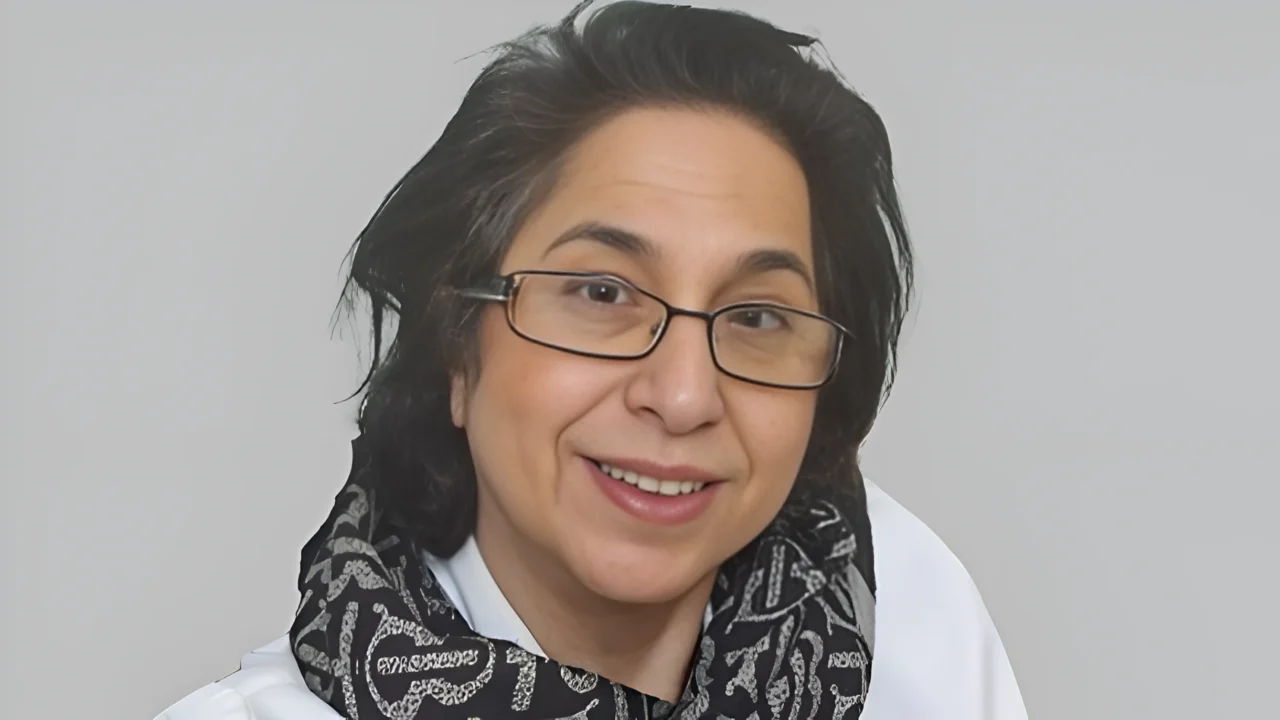
Vida Shafti: Can AI Help Us Predict Thrombosis before it Happens in Assisted Reproduction?
Vida Shafti, OB-GYN and Infertility Specialist at The OB/Gyn and Infertility center, shared a post on LinkedIn:
“Can AI help us predict thrombosis before it happens in assisted reproduction?
Venous thromboembolism is rare in medically assisted reproduction, but when it happens, it can be devastating.
Ovarian stimulation produces supraphysiologic estradiol levels.
Add OHSS with hemoconcentration, obesity, thrombophilia, advanced age, multiple pregnancy, or a prior VTE, and the risk profile changes quickly.
The risk extends well beyond the stimulation phase, with the first trimester of an IVF pregnancy being a particularly vulnerable window.
Today, thromboprophylaxis decisions rest largely on clinical judgment and a checklist of risk factors.
But risk factors don’t act in isolation, and that is where AI could help.
Machine learning models can integrate many variables at once:
- Age, BMI, personal and family history
- Thrombophilia results
- Estradiol trajectory and follicle count
- Early signs of OHSS and hemoconcentration
- Protocol type, trigger choice, and freeze-all strategy
The goal is a dynamic, individualized risk estimate that supports whether and when to start prophylaxis, rather than a one-size-fits-all rule.
But we must be honest about the challenges:
- Events are rare, so datasets are imbalanced and need large multicenter data
- Models need external validation before they touch practice
- Over-prediction means unnecessary LMWH, with its own bleeding risks and costs
- Explainability matters: clinicians need to know ‘why’ a patient is flagged
AI should support the reproductive endocrinologist and hematologist, not replace them.
The best outcome is a tool that is transparent, validated, and used within shared decision-making.
How are you currently deciding on thromboprophylaxis in your ART practice? ”
Stay updated with Hemostasis Today.
-
Nov 10, 2026, 06:11Michaël Prüfer: Treatment of Varicose Veins with Laser Endoveineux Total
-
Nov 10, 2026, 05:55Sandhya Selvakumar: Guide to Stroke Classification and Rehabilitation
-
Nov 9, 2026, 22:47Avirup Guha: Early Immune Responses to Androgen Deprivation Therapy and Coronary Plaque Progression
-
Nov 9, 2026, 22:42Angela Forsyth: Joining Novo Nordisk as Medical Liaison for the Ohio Valley Region
-
Nov 9, 2026, 22:36Vladimir Otasevic: Presenting Thromboprophylaxis and Treatment of VTE in Patients With Malignancy
-
Nov 9, 2026, 22:28Dragoș Claudiu Popescu: Corticosteroid Exposure and Thrombotic Risk in ITP
-
Nov 9, 2026, 22:20Cedric Ghevaert: How RNA Processing Defects Affect Megakaryocytes in TAR Syndrome
-
Nov 9, 2026, 22:07Todd C. Villines: PARAMOUNT Shows Benefits of Coronary Plaque-Based Care in Stable Symptomatic Patients
-
Nov 9, 2026, 22:06Maxima Mendez: Complete Results of the Pelacarsen Cardiovascular Outcomes Study at AHA 2026