

Yu-Hsuan Chen: One Antibody, Two Diseases from FcRn Biology to Clinical Translation
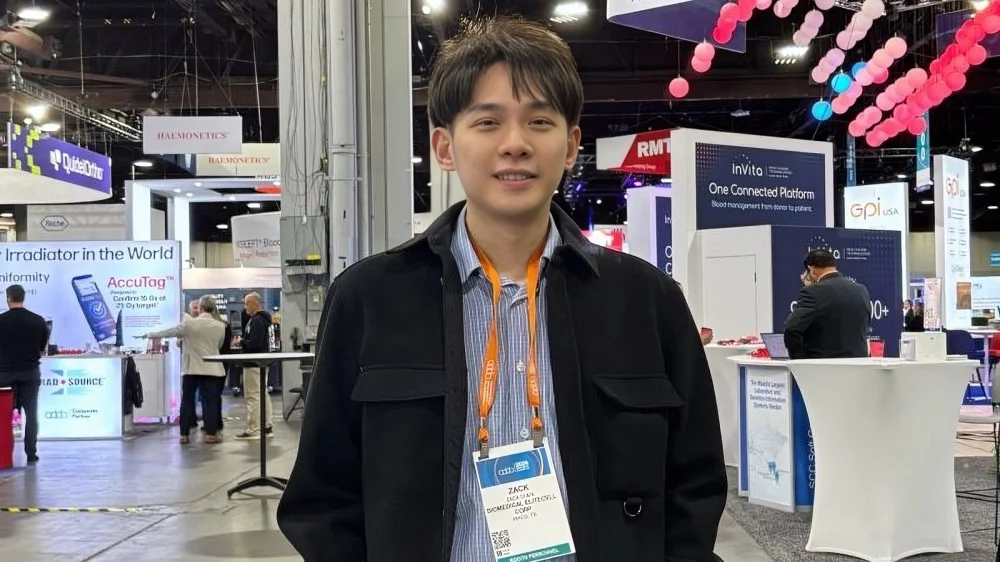
Yu-Hsuan Chen, Chief Scientific Officer and Chief Operating Office at Biomedical Elitecell Corp., shared a post on LinkedIn:
“AABB 2026, Atlanta | One Antibody, Two Diseases from FcRn Biology to Clinical Translation!
How advances in immunology and antibody engineering are transforming the treatment of blood disorders.
One development that particularly caught my attention was Johnson and Johnson’s nipocalimab (anti-FcRn monoclonal antibody), featured in several scientific posters highlighting clinical efficacy, pharmacodynamics, and its therapeutic potential across two distinct IgG-mediated diseases.
1. Warm Autoimmune Hemolytic Anemia (wAIHA) – ENERGY Study
In wAIHA, pathogenic IgG autoantibodies bind to a patient’s own red blood cells, leading to premature destruction and anemia.
Nipocalimab blocks FcRn-mediated IgG recycling, thereby reducing circulating pathogenic antibodies.
The Phase 2/3 ENERGY study demonstrated a higher durable hemoglobin response with nipocalimab (23.7%) compared with placebo (7.7%). A complementary pharmacodynamic analysis further explored the relationship between reductions in pathogenic IgG and improvements in hemoglobin and hemolysis markers.
2. Hemolytic Disease of the Fetus and Newborn (HDFN) – UNITY Study
HDFN presents a different immunological challenge. Maternal alloantibodies can cross the placenta and attack fetal red blood cells, potentially causing severe fetal anemia.
By targeting FcRn, nipocalimab may both reduce maternal pathogenic IgG and limit its transfer across the placenta.
The UNITY study provided encouraging early clinical findings, while the AABB 2026 poster presented additional quantitative evidence of anti-D antibody reduction in a small subset of patients.
This application remains investigational, with further clinical development ongoing.
What I find particularly fascinating is how the same molecular target can address two fundamentally different immune mechanisms:
- Autoimmunity – antibodies attacking one’s own red blood cells.
- Alloimmunity – maternal antibodies attacking fetal red blood cells.
Both converge on a shared therapeutic strategy: modulating pathogenic IgG through FcRn blockade.
For me, this is an excellent example of how fundamental receptor biology, antibody engineering, pharmacodynamic biomarkers, and clinical development can come together to create meaningful therapeutic advances.
Nipocalimab incorporates an aglycosylated, effector-silencing IgG1 Fc (N297A) and demonstrates high-affinity, pH-independent FcRn binding to selectively block IgG recycling.”
Stay updated with Hemostasis Today.
-
Oct 20, 2026, 03:49Domenico Simone Castiello: Rethinking Prolonged DAPT in Multivessel PCI – Insights from the DAPT-MVD Trial
-
Oct 20, 2026, 03:37Rucha Patil: Scaling POC Diagnostics for Haemophilia A and VWD Across India
-
Oct 20, 2026, 03:31Zena Vexler: Targeting Neutrophil Elastase and NETosis to Mitigate Infection-Triggered Childhood Stroke
-
Oct 20, 2026, 03:24Chaza Alaji: Diagnosing Protein C and Protein S Deficiency
-
Oct 20, 2026, 03:24Mou Nandi: How Maternal Health During Pregnancy May Shape Infant Development
-
Oct 20, 2026, 03:13Sumyea Kabir: Pre-Analytical Quality in Phlebotomy – Preventing In Vitro Hemolysis
-
Oct 20, 2026, 02:37M. Sekip Altunkan: Can Anticoagulation Be Safely Stopped After AF Ablation?
-
Oct 20, 2026, 02:26Ahmed Ammar: Managing VT Recurrence Post-Ablation
-
Oct 20, 2026, 01:43Oliver Weingärtner: Deprescribing of Lipid Lowering Drug after MI is Associated with Cardiovascular Events