

Tiago Lopes: Can AI Predict Immune Reactions of New Drugs?
Tiago Lopes, Research Scientist at Heidelberg University, shared on LinkedIn:
”Can AI predict immune reactions of new drugs? Yes.
Its not perfect, but it is very good.
In this paper fresh from the oven, my colleagues from Japan and I present a new coagulation factor 8 (FVIII), designed and tested as a gene therapy.
People who have a defect in this gene live with hemophilia, a coagulation problem that requires constant injections; and even then, they are at constant risk of joint, muscle and other hemorrhages.
The treatment is super expensive, and still has a major problem of triggering an immune reaction; it renders the treatment ineffective, which without a doubt, sucks.
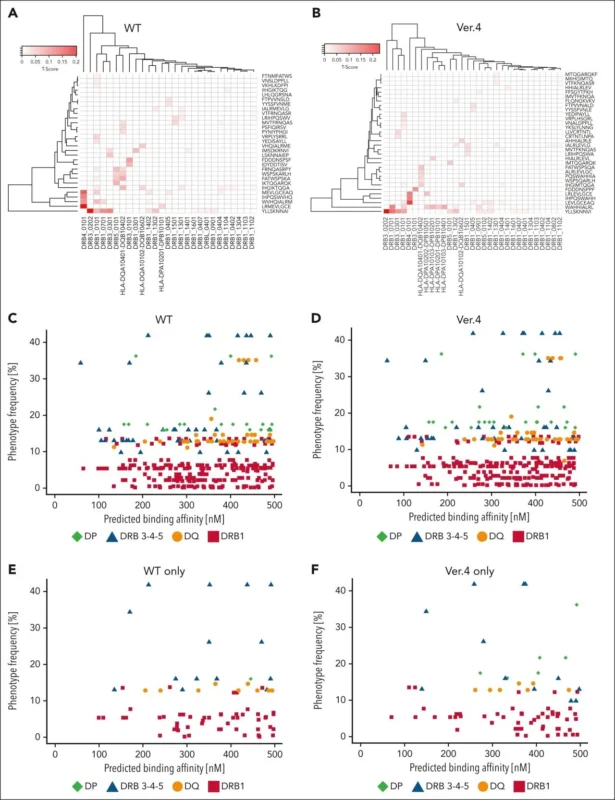
Here, a comprehensive and reliable AI prediction was made, showing this FVIII variant is not worse than the “original” protein that people have.
Hope. This is the word for patients and their families.
We are working around the clock to have your kids playing soccer without worrying about not walking the next day.”
Stay updated with Hemostasis Today.
-
Sep 30, 2026, 14:13Ashok Choudhury: Portal Vein Thrombosis and Outcomes in Cirrhosis
-
Sep 30, 2026, 13:57Leslye Conde Bazán: When Conventional Imaging Is Not Enough – The Role of IVUS
-
Sep 30, 2026, 13:41Huda Salah Eldin: The Challenge of Balancing Antithrombotic Therapy After PCI
-
Sep 30, 2026, 13:29Abdus Salam: What Can CT Venography Reveal About the Veins?
-
Sep 30, 2026, 13:03Amira Mohy: Diagnostic Flow Cytometry Panels for Hematological Malignancies
-
Sep 30, 2026, 12:52Paul Watton: Could Repetitive Head Impacts Leave a Molecular Memory?
-
Sep 30, 2026, 12:41The Journey to ISTH 2027 Starts in Vancouver
-
Sep 30, 2026, 11:36Basit Ali: A Closer Look at CT Venography
-
Sep 30, 2026, 11:16Christina Pohlman: Could aPL Levels Help Predict Stroke Recurrence?