

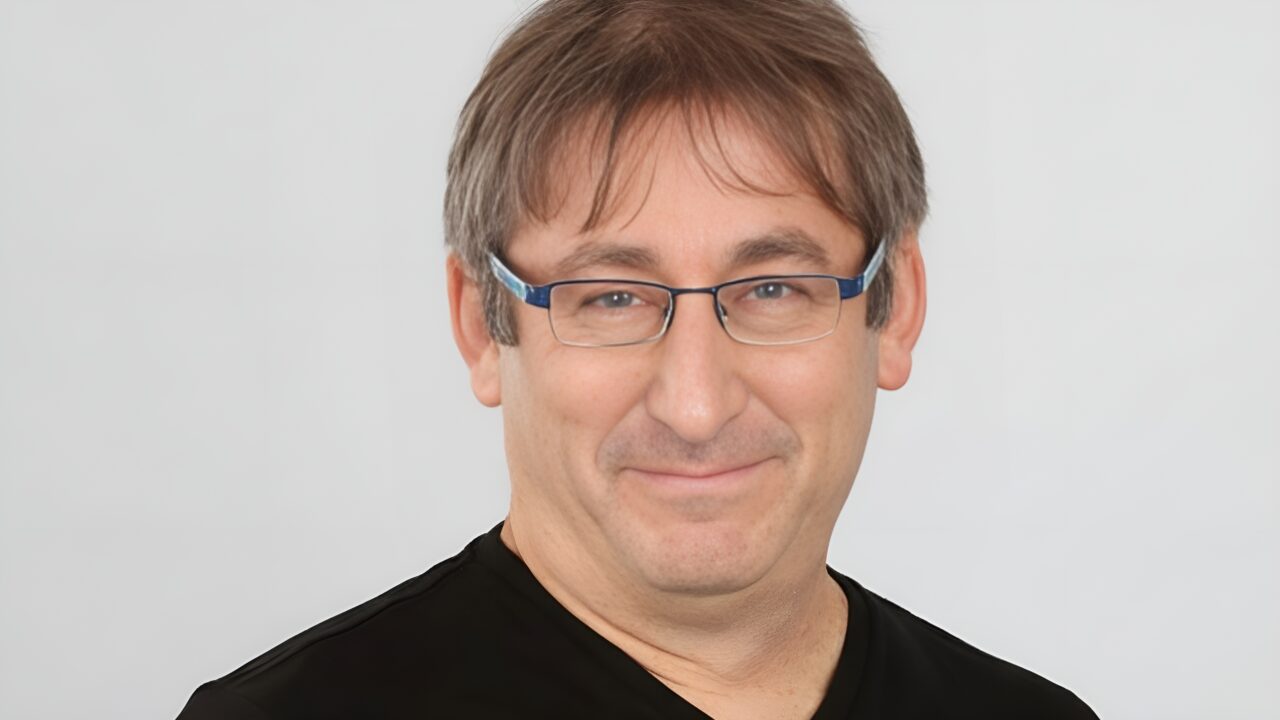
Shai Shen-Orr: Excited to Share that The Human Immunome Project (HIP) Has Launched Its Scientific Partner Network
Shai Shen-Orr, Professor at Technion – Israel Institute of Technology, shared on LinkedIn:
”For years I’ve been starting many of my talks, with imagining a world in which the question “Hey doc, how’s my immune system doing?” is a legit question.
Until now, medicine hasn’t had a good answer.
But we have reached a moment of singularity, where the tools to measure the human immune system are in place, as is the AI infrastructure, and most importantly, public awareness of the importance of understanding human immunology and human immune variation.
I’m so excited to share that the Human Immunome Project (HIP) has launched its Scientific Partner Network—the largest global collaboration in human systems immunology in history.
HIP is a bold, global infrastructure project: together we’re building the first comprehensive map of human immune diversity and function.
From this foundation, a thousand ships can launch—new diagnostics, predictive tools, and therapies that shift medicine toward prevention and true precision.
I’m honored to serve as Co-Chief Science Officer, alongside my good friend John Tsang, in the company of extraordinary partners worldwide.
This is a an effort powered by open science and collective vision. Deep gratitude to Jane Metcalfe, our chairwoman, the HIP Board, and all of our partners for their commitment and leadership.
Our founding network includes Yale University Center for Systems and Engineering Immunology, Technion – Israel Institute of Technology, Allen Institute for Immunology, Human Functional Genomics Project, HypoVax Global, RIKEN Research Center for Allergy and Immunology, Center for Human Immunology at Stanford University School of Medicine, Sustainable Sciences Institute, WEHI (Walter and Eliza Hall Institute of Medical Research), the German Center for Neurodegenerative Diseases (DZNE) and the Swarm Learning Consortium.
Together, we’re working to make “How’s my immune system doing?” a question medicine can finally answer—with high-resolution, tailored immune reference ranges, predictive risk models, and preventive strategies to keep people healthier, longer.
Stay updated with Hemostasis Today.
-
Oct 19, 2026, 17:44Paul Riley: Moderating a Webinar on Anticoagulation Monitoring
-
Oct 19, 2026, 16:36Christopher Pittman: Blood Clot Prevention Cannot End at Hospital Discharge
-
Oct 19, 2026, 16:13Javier M. Floren: When Immune Cells Move With Their Environment
-
Oct 19, 2026, 16:04Hussnain Javaid: New EHA Guidelines for HbSC Disease Management
-
Oct 19, 2026, 15:50Deep Madkaiker: A New Academic Opportunity in Transfusion Medicine at ACTREC
-
Oct 19, 2026, 15:19Why Hematologists Should Care About Diminished Ovarian Reserve in SCD – ASH Education
-
Oct 19, 2026, 14:16Hyperfibrinolysis as an Underrecognized Cause of Bleeding
-
Oct 19, 2026, 13:36Shobhna Ladva: Aspen Pharma EME Raises Awareness of Blood Clot Risks During Hormonal Transitions
-
Oct 19, 2026, 13:11Giulia Furnari: Connecting With Global Hematology Experts at IACH 2026