

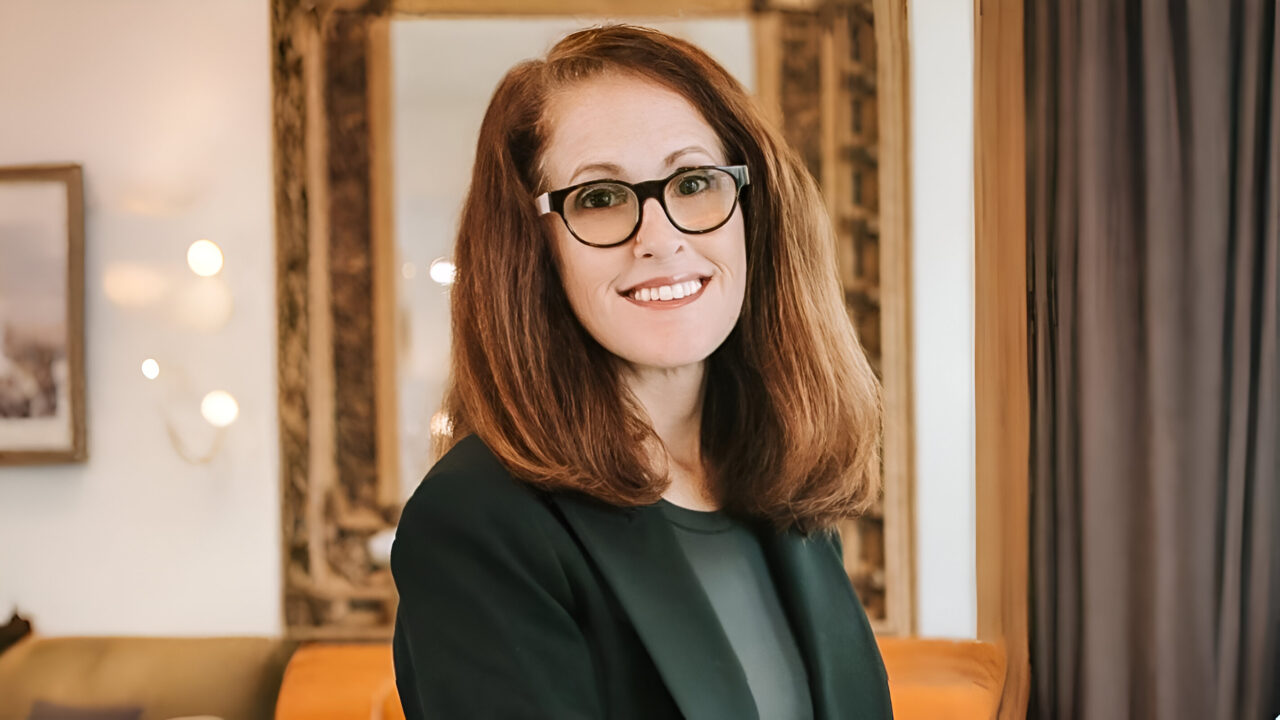
Melissa Leichter: My Team Used AI to Pinpoint Likely Undiagnosed Patients with Glanzmann’s Thrombasthenia
Melissa Leichter, Rare Disease Executive at Novo Nordisk, shared on LinkedIn:
”I’ve had a number of conversations recently with commercial colleagues about AI, and we’re all struck by how dramatically it can change patient outcomes.
For people living with an undiagnosed disease, getting clarity on their condition can stretch on for years.
Their life quickly becomes a marathon of misdiagnoses, trying to find the right specialists, waiting for openings on those doctors’ schedules, insurance delays, and other hurdles to clear.
AI, with its ability to parse vast amounts of data and surface patterns that otherwise would remain hidden, can significantly shorten that painful journey.
I’ve seen this in action in a rare disease context.
My team used AI to pinpoint likely undiagnosed patients with Glanzmann’s Thrombasthenia, an ultra-rare platelet disorder, by analyzing a blend of diagnostic codes, medication usage, and procedure records.
We were able to illuminate complex data that could trigger an earlier intervention.
We need to do more to unleash AI as a tool in patient diagnosis, and the biggest obstacle to that is data fragmentation.
Health record systems rarely talk to each other, even within a single institution, resulting in disconnected pockets of patient information.
Moving forward, it’s essential that we invest in data connectivity and unified patient journeys.
Only then can machine learning help us shrink the timeline between debilitating symptoms and life-changing diagnoses at scale — and improve the lives of countless patients.”
Read the full article here.
Article: How Sanford Health Embeds AI into Its EHR to Catch Disease Earlier and Personalize Care
Authors: Katie Adams
Stay updated with Hemostasis Today.
-
Oct 10, 2026, 10:07Maha Othman: Look Forward to an Amazing ISTH 2027 in Vancouver!
-
Oct 10, 2026, 10:02Rucha Patil: National Convening Highlights Opportunities for Equitable Hemophilia Care Across India
-
Oct 10, 2026, 09:52Yuria Ito: Should Ferritin Testing Become a Routine Part of Prenatal Care in Japan?
-
Oct 10, 2026, 09:48Ahmed Alotaibi: Can We “Remove” the ABO Problem from Group O Platelets?
-
Oct 10, 2026, 09:31Help Shape the New ASH Iron Deficiency Guidelines – American Society of Hematology
-
Oct 10, 2026, 09:05Wolfgang Miesbach: Moving from Bleed Control to Comprehensive Joint Health
-
Oct 10, 2026, 07:59Leila Caroline Souza Reis: Enoxaparin Dosing for VTE Prevention in Adults With Obesity
-
Oct 10, 2026, 07:41Adeeb Bazuhair: New Evidence for Catheter Directed Thrombolysis in Acute PE
-
Oct 10, 2026, 07:22Poppy Clarke: Turning Steps Into Support for Thrombosis Awareness