


Nicolas Hubacz: How Psychoactive Drugs Alter Spider Web Construction
Nicolas Hubacz, Research and Clinical Products Business Development Manager at Magstim, shared a post on LinkedIn:
“How Psychoactive Drugs Alter Spider Web Construction
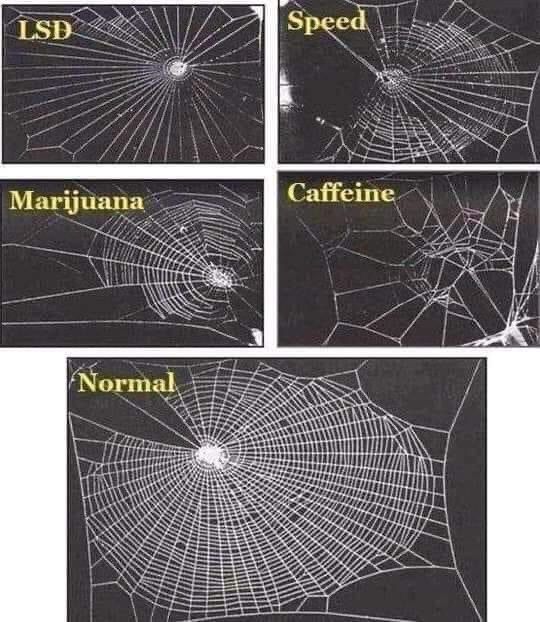
In 1995, scientists explored how different drugs influence spider web construction to understand their impact on behavior and motor skills. This research was initiated due to a zoologist’s request to alter the time garden spiders build their webs. The team administered various psychoactive substances, such as amphetamine, mescaline, strychnine, LSD, and caffeine, observing changes in web size and shape rather than timing.
Low caffeine doses led to smaller webs with uneven radii, while higher doses resulted in even smaller, irregular designs. Each drug induced different effects: sleeping pills caused drowsiness and incomplete webs, Benzedrine created zigzag patterns, marijuana resulted in missing inner sections, and scopolamine disrupted directional sense.
The study highlighted how drugs affect spider behavior, offering insights into the broader impacts of psychoactive substances across species.”
Stay updated with Hemostasis Today.
-
Oct 16, 2026, 13:59Aya Akmal Amin: Antiphospholipid Syndrome Management and Risk Stratification
-
Oct 16, 2026, 13:10Emanuel Sueldo: CAHT 2026 Celebrates Scientific Progress and Team Achievements
-
Oct 16, 2026, 13:05Maha Othman: Queen’s Health Sciences Advances CAT Risk Models and Pediatric ISTH-BAT Cut-Offs
-
Oct 16, 2026, 13:03Thrombosis Awareness Must Lead to Timely Action – Roche
-
Oct 16, 2026, 12:49Wolfgang Miesbach: 5-Year CBDR Data Confirms Emicizumab Safety and Efficacy in Hemophilia A
-
Oct 16, 2026, 12:40Edward Lee Carter: How Factor XI Inhibition Could Transform Anticoagulation Therapy
-
Oct 16, 2026, 12:40Marc Carrier: Looking Ahead to ISTH 2027 in Vancouver
-
Oct 16, 2026, 12:30Bob Lempke: How One Blood Donation Can Save Up to Three Lives
-
Oct 16, 2026, 12:30Why VWF Therapies Belong on the EU Critical Medicines List – EHC