


Sally Mandour: Bone Marrow Needle Gauge Explained
Sally Mandour, Associate Professor, Head of Hematology Unit at Clinical Pathology Department of National Liver Institute, Monofeya University, shared a post on LinkedIn:
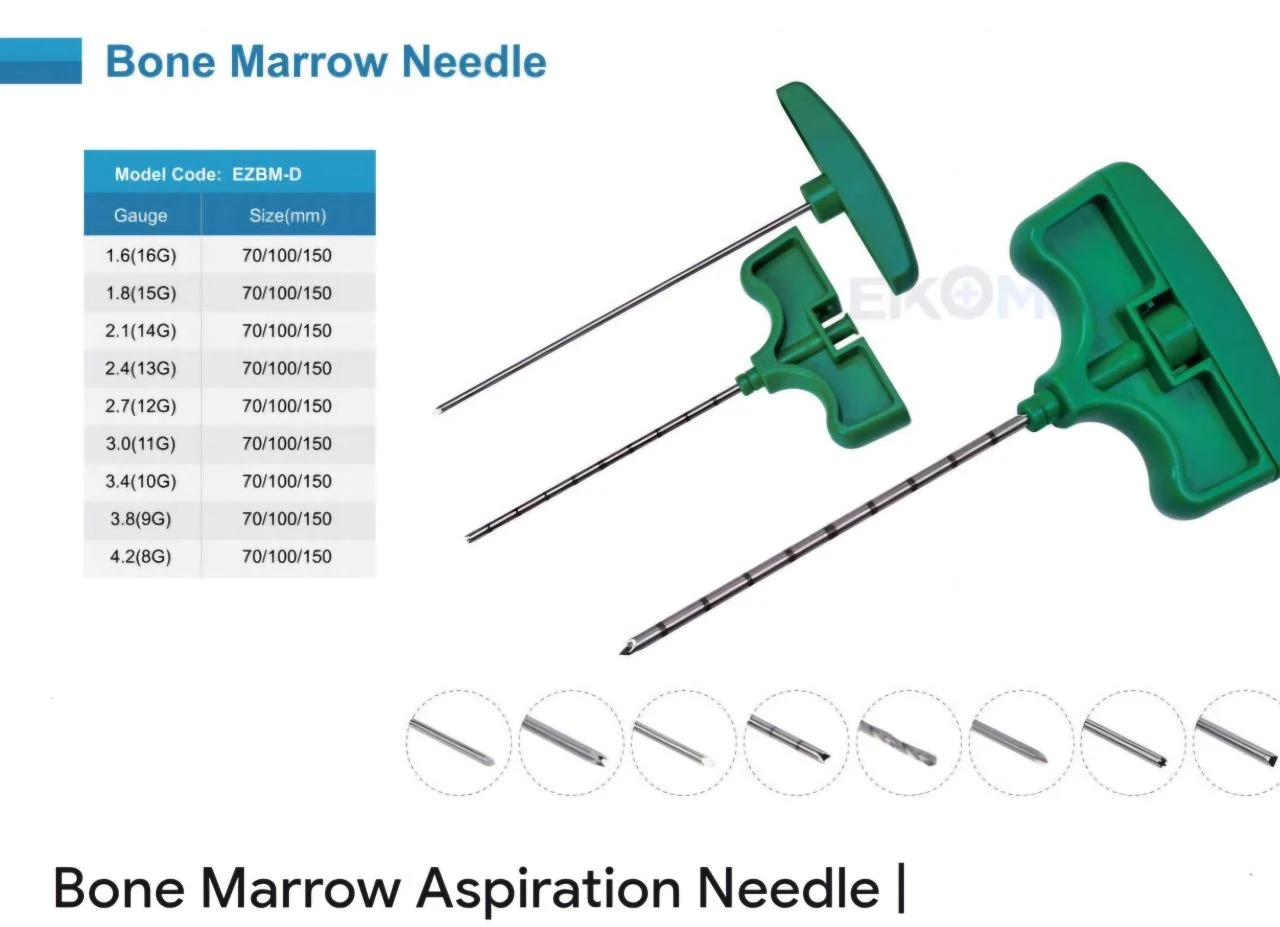
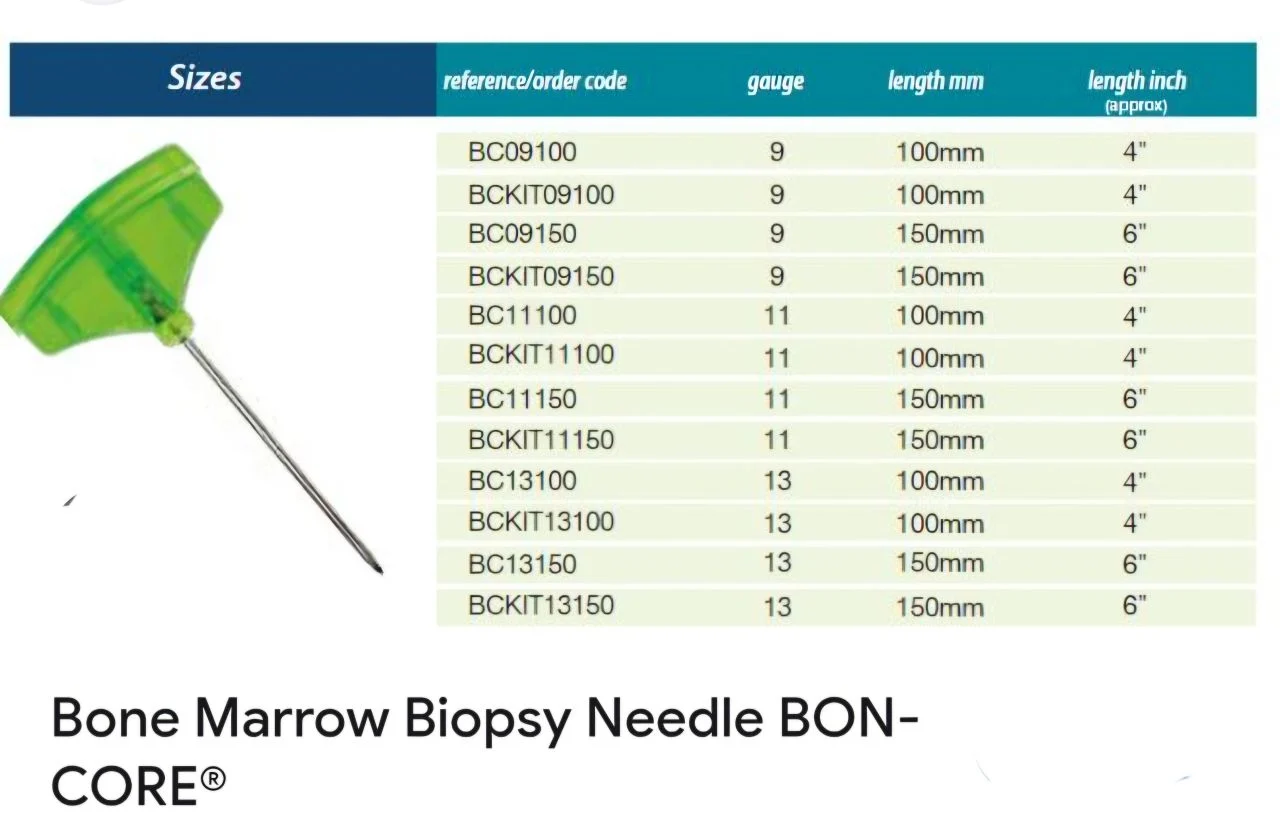
“Bone marrow needle size!!
Did you know what those numbers on a bone marrow needle actually mean?
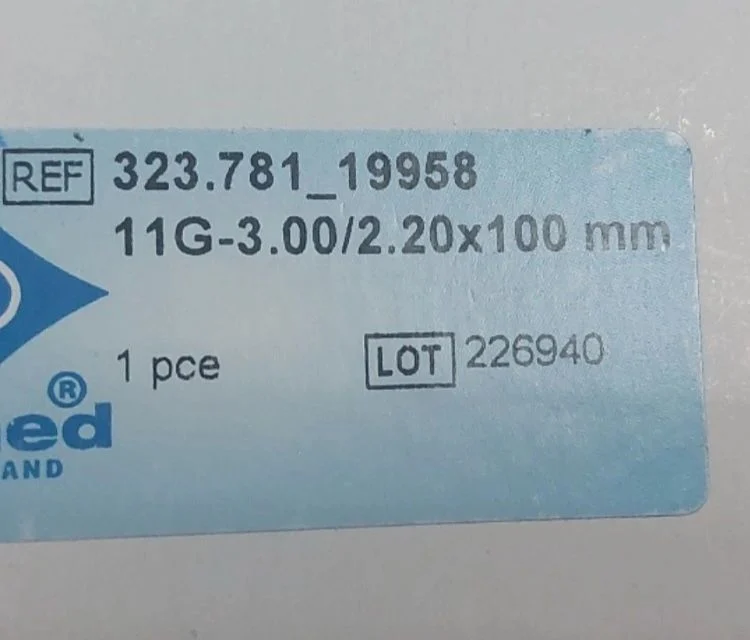
Most of us glance at ’11G’ or ‘3.00/2.20 mm’ on the packet and just grab the needle on the tray.
But those numbers are the difference between a clean diagnostic core and a fragmented, non-representative sample.
The Gauge:
The rule is that the smaller the gauge number, the larger the needle.
An 11G needle is thicker and more rigid than an 18G – the opposite of what most people assume.
Take an example,, size of a bone marrow biopsy needle reads as:
- 11G – 3.00/2.20 × 100 mm (shown in images).
- 3.00 mm is equal to outer diameter (cannula).
- 2.20 mm is equal to inner diameter (stylet).
- 100 mm is equal to whole length.
Selection isn’t one-size-fits-all – it changes with age:
- Neonates or Infants:
18-20G aspiration (approximately 1.2-0.9 mm), 20-25 mm – biopsy rarely needed. - Pediatric (1–10y):
16-18G aspiration (approximately 1.4-1.2 mm) | 15-16G biopsy (approximately 1.8-1.6 mm), 50-70 mm. - Adolescents or Adults:
15-18G aspiration (approximately 1.8-1.6 mm) | 11-13G biopsy (3.00-2.40 mm), 70-100 mm.”
Stay updated with Hemostasis Today.
-
Sep 22, 2026, 08:39Alessandro Sionis: Navigating Anticoagulation in Mechanical Circulatory Support
-
Sep 22, 2026, 08:28Raghavendra Rao: The Latest Research on Varicose Veins
-
Sep 22, 2026, 08:23Aravind Palraj: Three Essential Tests in Antiphospholipid Syndrome
-
Sep 22, 2026, 08:18Salih Ehsan: Understanding the Major Glycoproteins on Platelets
-
Sep 22, 2026, 08:06Tim Brümmendorf: Exciting Sessions Ahead at ESHBMFS2026
-
Sep 22, 2026, 08:05Samin Mohsenian: Can Factor VII Activity Predict Bleeding Severity?
-
Sep 22, 2026, 07:59Cesar de Almeida Neto: Jehovah’s Witnesses Update Their Position on Blood Components
-
Sep 22, 2026, 07:39Better Trials and Better Treatments Through Greater Inclusion – American Society of Hematology
-
Sep 22, 2026, 07:18X. Long Zheng: From ADAMTS13 to New TTP Treatment