

Wolfgang Miesbach: From Heparin to Vaccines – The Expanding Biology of Anti-PF4 Immunothrombosis
Wolfgang Miesbach, Professor of Medicine at Frankfurt University Hospital, shared a post on LinkedIn:
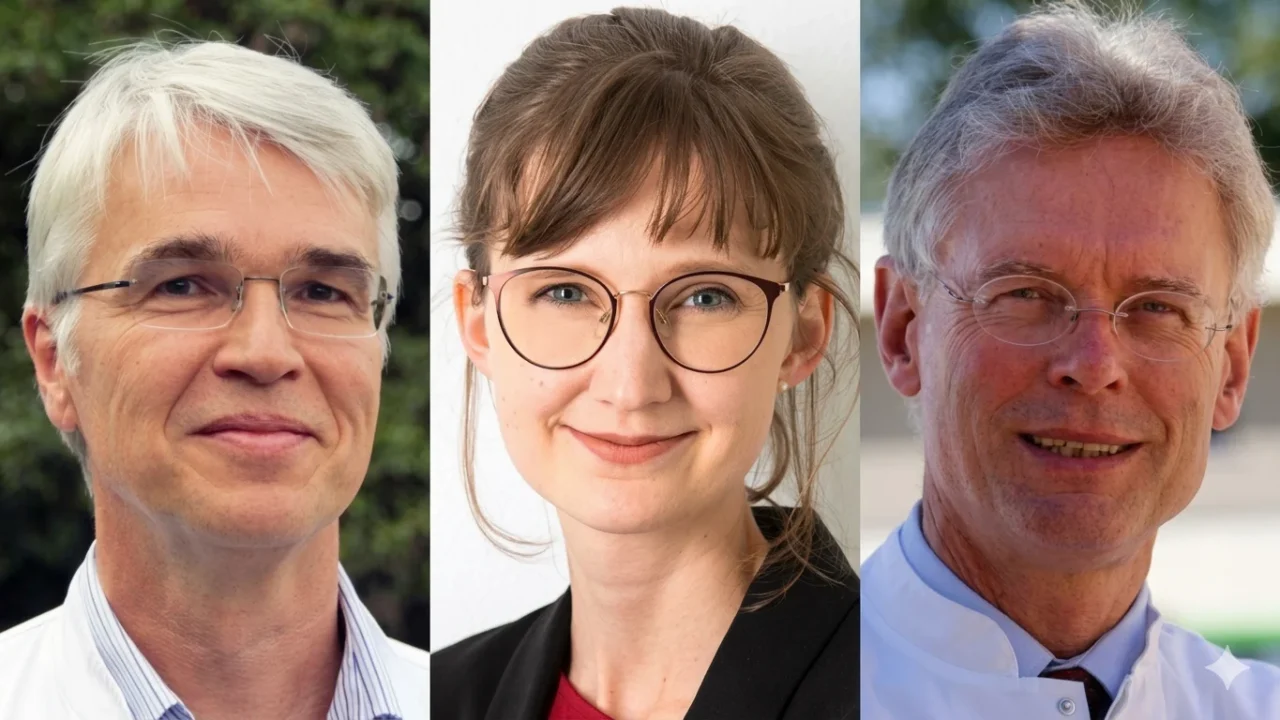
”Anti-PF4 Immunothrombosis: From HIT to VITT and Beyond – Andreas Greinacher and Linda Schönborn (Greifswald University Hospital) delivered one of the standout sessions of the 70th GTH Annual Meeting, tracing the full spectrum of anti-PF4 immunothrombosis:
How PF4 becomes immunogenic:
PF4 (CXCL-4), a positively charged tetrameric protein stored in platelet α-granules, forms immunogenic complexes with polyanions.
This drives FcγRIIA-mediated platelet activation to thrombin generation – thrombosis with thrombocytopenia.
The same mechanism links three clinical entities:
- Classic HIT — triggered by heparin/PF4 complexes
- VITT — triggered by adenoviral vector-based COVID-19 vaccines, 5–30 days post-injection, causing thrombosis at unusual sites
- Spontaneous HIT — autoantibodies activate platelets even without heparin or any polyanion
- HIT antibodies are not VITT antibodies — they bind distinct epitopes on PF4, a critical distinction for diagnosis and management.
New insights: molecular mimicry plus somatic mutation.
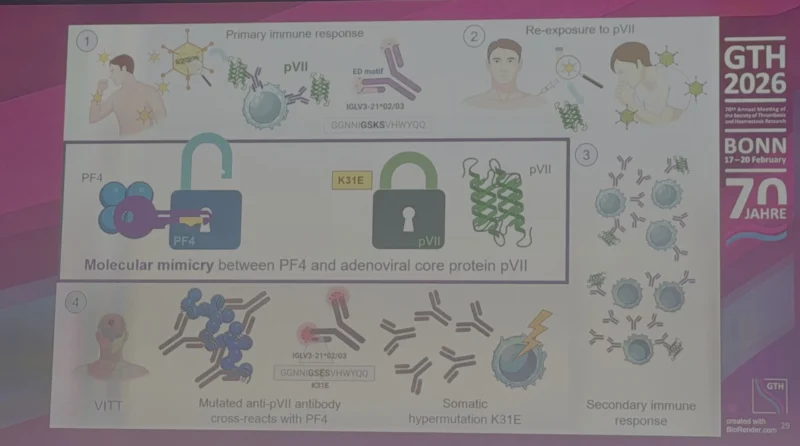
Molecular mimicry between PF4 and adenoviral core protein pVII is the trigger.
In individuals carrying the IGLV3-21*02/03 light chain haplotype (~60% of Caucasians), primary exposure to pVII generates an antibody with an ED motif.
Upon re-exposure, a somatic K31E hypermutation creates an antibody that cross-reacts with PF4 — triggering VITT via a clonal secondary immune response.
These findings just published in N Engl J Med 2026.
Broader implications
This model also illuminates acquired haemophilia post-vaccination, postinfectious APS, ITP in children, posttransfusion purpura, and more.
For future adenoviral vaccine platforms — Ebola, HIV, Zika, Rabies — modifying pVII in the vector could prevent VITT entirely.”
Stay updated with Hemostasis Today.

-
Sep 16, 2026, 07:57Tammuella Chrisentery-Singleton: Standing on the Shoulders of Giants in Hemophilia Care
-
Sep 16, 2026, 07:33Jakob Werner Hansen: Nordic VEX AZA Trial Reaches an Important Milestone
-
Sep 16, 2026, 06:54Jonathan Furniss: The Platelet Response That Helps Drive Tissue Repair
-
Sep 16, 2026, 05:25Paul Armstrong: Honoured to Take the Lead at The Platelet Society
-
Sep 16, 2026, 05:05Alejandro González Veliz: Why Heart Attacks in Women Can Be More Complex Than a Simple Blockage
-
Sep 16, 2026, 04:58Thomas Dayspring – Your LDL Is Normal – But Are You Really Safe?
-
Sep 16, 2026, 04:50Seema Dawood: Why Some Red Cells Break While Others Survive?
-
Sep 16, 2026, 04:42GNE-Related Thrombocytopenia – Novel Findings – JTH
-
Sep 16, 2026, 04:40Managing Acute Emergencies in Thalassaemia and Sickle Cell Disease – TIF