

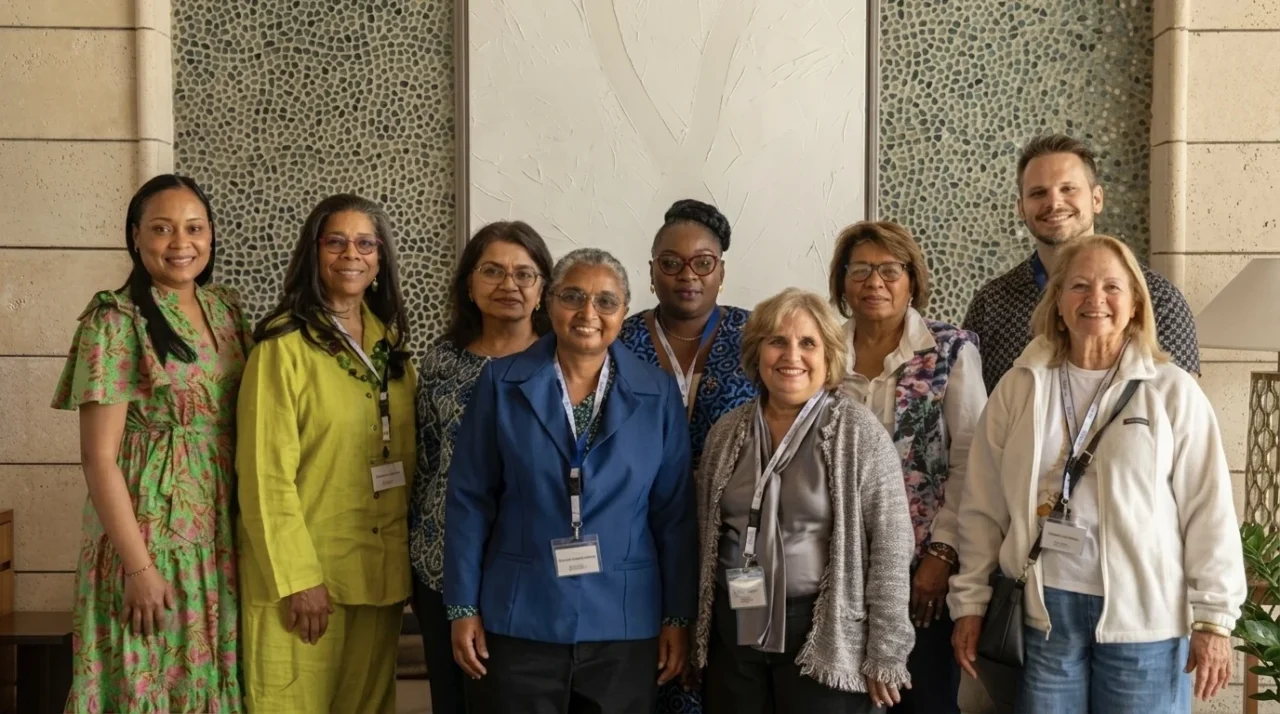
Strengthening Regional Learning for Hemophilia and Sickle Cell Disease Care – Novo Nordisk
Novo Nordisk shared a post on LinkedIn:
“Strengthening regional learning for haemophilia and sickle cell disease care in the Caribbean.
Building on NNHF-supported projects in Jamaica and the Dominican Republic, where partners have worked to strengthen haemophilia care, NNHF is supporting efforts to explore a stronger regional Caribbean coalition.
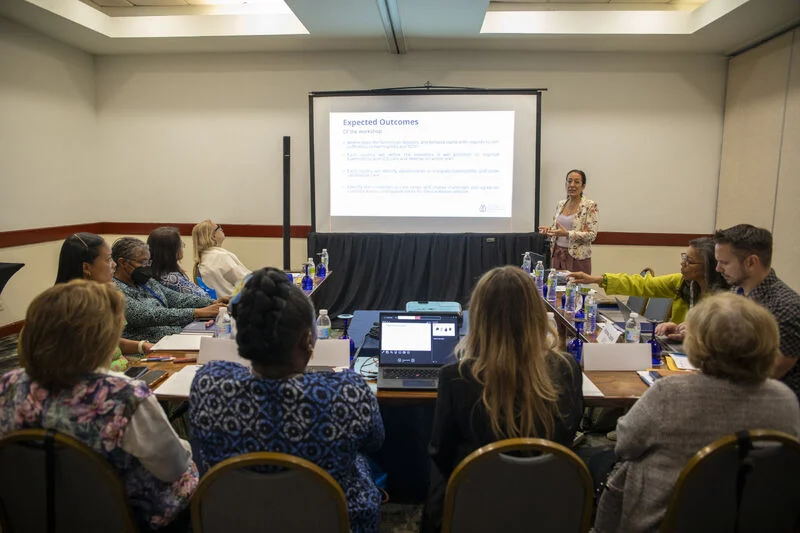
An NNHF-hosted workshop took place in Santo Domingo, Dominican Republic, bringing together medical experts from Jamaica and the Dominican Republic, as well as representatives from the American Society of Hematology (ASH), to discuss shared challenges and opportunities for integrated care approaches, regional collaboration and data-driven advocacy.
The discussions focused on strengthening government ownership and empowering patient organisations, highlighting opportunities for shared learning, stronger regional connections and more coordinated approaches to care.
As a next step, partners will continue to share experiences and best practices to strengthen the partnership across the Caribbean.
Thank you to NNHF partners, ASH and our NNHF expert volunteers for their time, experience and commitment!”
Stay updated with Hemostasis Today.

-
Oct 18, 2026, 07:05Behnood Bikdeli: Vasculearn Network Highlights Expert Perspectives on PE Risk Stratification and Advanced Therapies
-
Oct 18, 2026, 06:27Gregory Makris: NEJM Study Supports Earlier Catheter-Directed Intervention in Intermediate-High–Risk PE
-
Oct 18, 2026, 06:26Danny Hsu: BLOOD 2026 Return to Aotearoa
-
Oct 18, 2026, 02:43Priya Sriskandarajah: Diagnosis and Management of PV and JAK2-Unmutated Erythrocytosis
-
Oct 18, 2026, 02:41C. Michael Gibson: A Meta-Analysis of DOACs and DAPT After Left Atrial Appendage Closure
-
Oct 18, 2026, 02:27What Hematologists Should Remember About the Person Behind the Platelet Count – ASH
-
Oct 18, 2026, 01:44Marta Velia Antonini: How to Deliver CRRT during ECMO?
-
Oct 18, 2026, 01:19Aamir Saeed: Anticoagulation, Cirrhosis, and Other Risk Factors for Post-ERCP Bleeding
-
Oct 18, 2026, 00:33Elad Asher: Does Opening the Clot Change How a Patient Feels Three Months Later?