

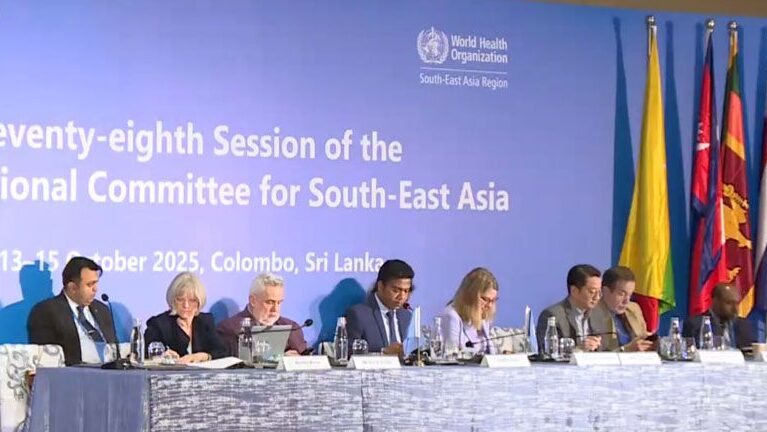
WFH Advocates Global Health Equity for Hemophilia at WHO SEA Meeting
World Federation of Hemophilia (WFH), shared a post on LinkedIn:
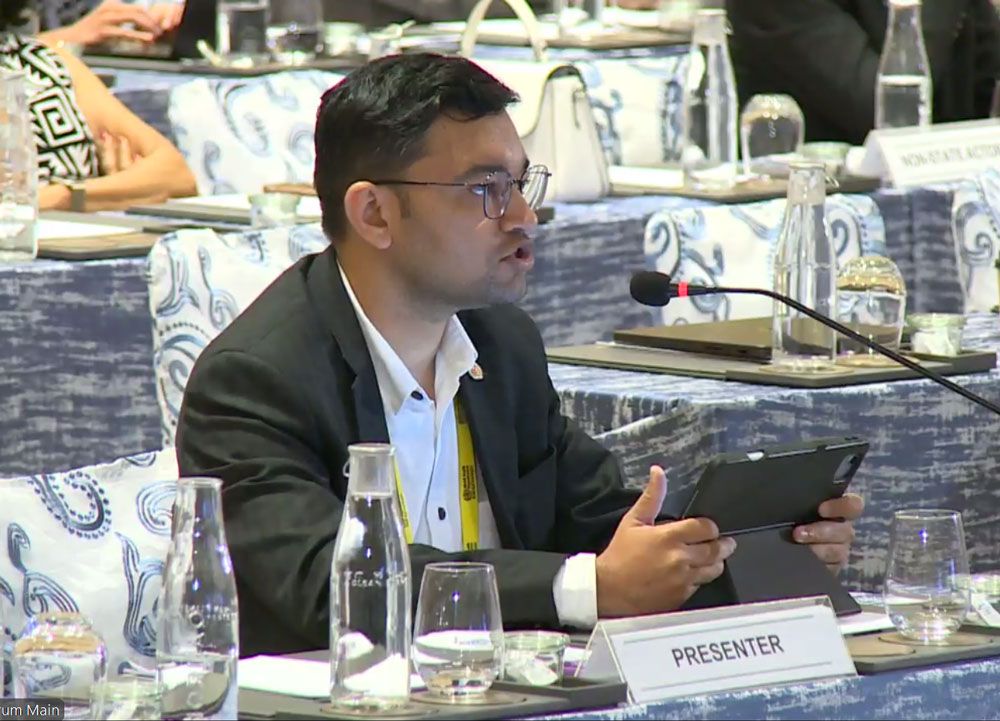
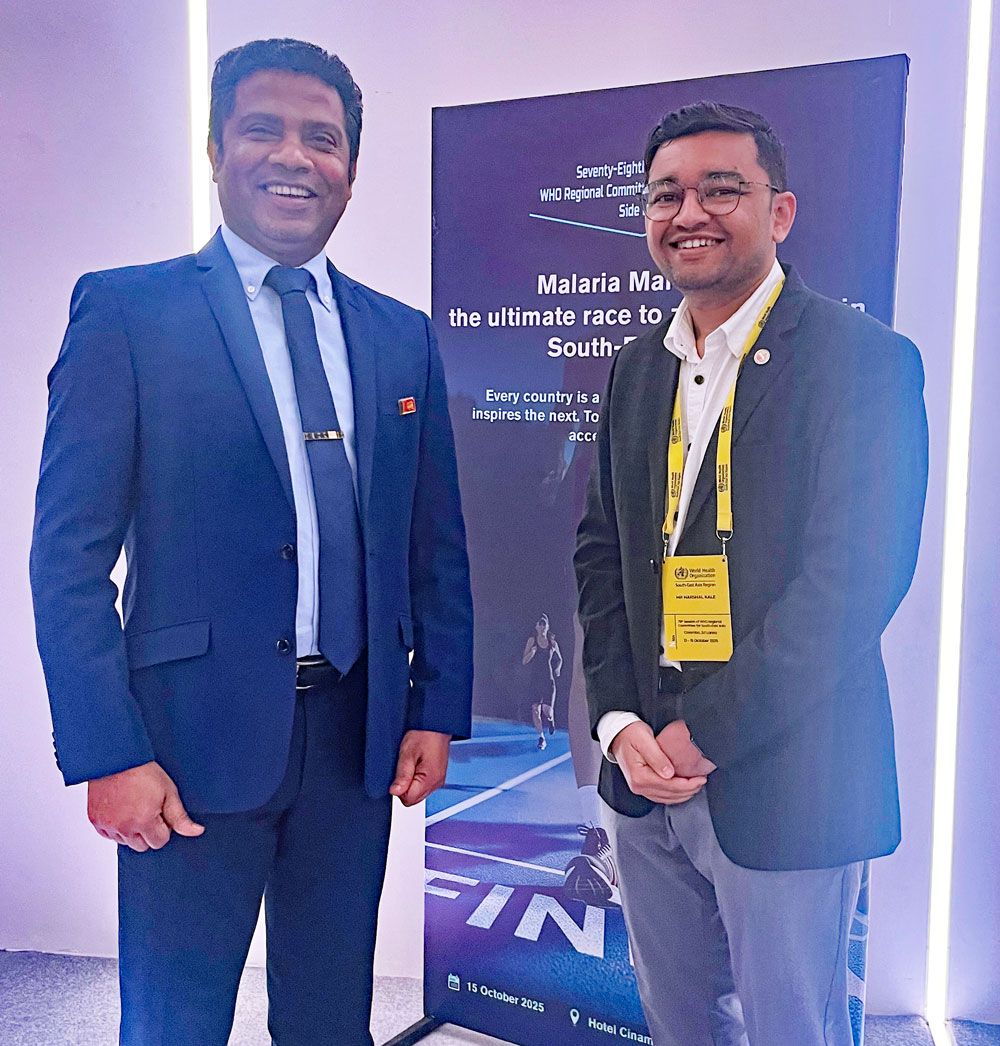
“During the 78th Session of the WHO Regional Committee for South-East Asia (SEA/RC78) in Colombo, SriLanka, WFH Regional Manager Harshal Kale delivered a powerful statement calling for the effective procurement mechanisms to ensure equitable access to treatment for people with hemophilia and other Bleeding Disorders.
These remarks reinforced the importance of aligning with the 2025 WHO Essential Medicines List and the Delhi Declaration to improve access to essential medical products across the region and beyond.
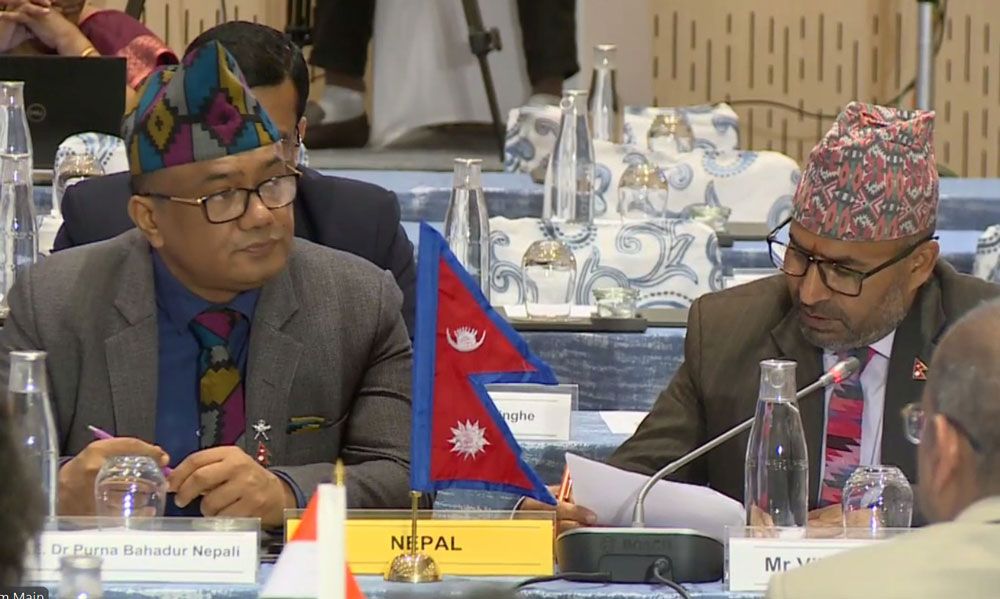
Kale also voiced the strong support of the WFH for a WHA resolution on Global Action to Advance Health Equity for People with Hemophilia and Other Inherited Bleeding Disorders proposed for discussion at the 158th session of the WHO Executive Board and backed by several Member States including Armenia, Morocco, Nepal and Sri Lanka. The WFH also commends Nepal government for voicing their full support for this resolution in their statement at the SEA/RC78 meeting in Colombo.”
Read the full statement here.
Stay informed with Hemostasis Today.
-
Oct 25, 2026, 15:13Franky Biles: Celebrating Diversity and Driving Inclusion Through Representation
-
Oct 25, 2026, 14:47Siddharth Mittal: A Sheet-Like Effluent Deposit During Plasma Exchange in iTTP
-
Oct 25, 2026, 14:16Alejandro González Veliz: Can Factor XIa Inhibition Prevent Recurrent Ischemic Events Without Increasing Bleeding?
-
Oct 25, 2026, 13:0910 Posts Not to Miss This Week
-
Oct 25, 2026, 13:02Thomas Dayspring: Advancing Cardiovascular Risk Assessment Through Multidisciplinary Lipid Care
-
Oct 25, 2026, 12:46Ahmar U. Zaidi: RISE UP Study on Sickle Cell Disease
-
Oct 25, 2026, 10:32Jan Sloves: Advanced Venous Ultrasound Training in Poland
-
Oct 25, 2026, 10:20Jeff Sternlicht: Rethinking Cardiovascular Prevention Through Atherosclerosis Imaging
-
Oct 25, 2026, 10:12Dino Mehic: PhD Opportunity in Platelet Biology and Bleeding Disorders