

Alejandro González Veliz: Understanding the Mechanisms Driving Stent Thrombosis
Alejandro González Veliz, Interventional Cardiologist at Institute of Cardiology and Cardiovascular Surgery, shared a post on LinkedIn about a recent article by Lloyd W. Klein et al., published in JSCAI, adding:
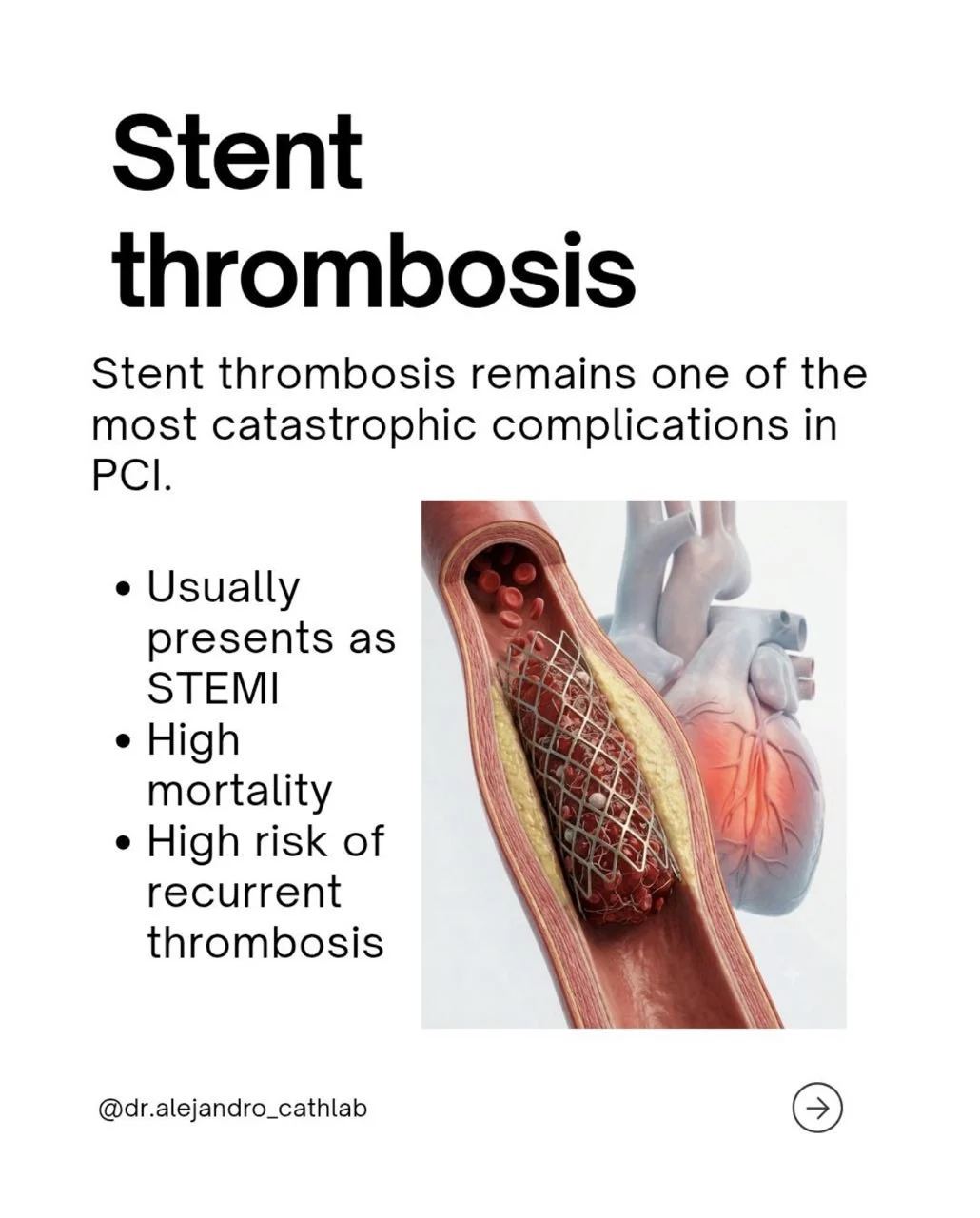
“Stent thrombosis is rare – but when it happens, it can be catastrophic.
Most cases present as an acute myocardial infarction and require immediate PCI.
But restoring coronary flow is only the first step.
The key question is:
Why did the stent thrombose?
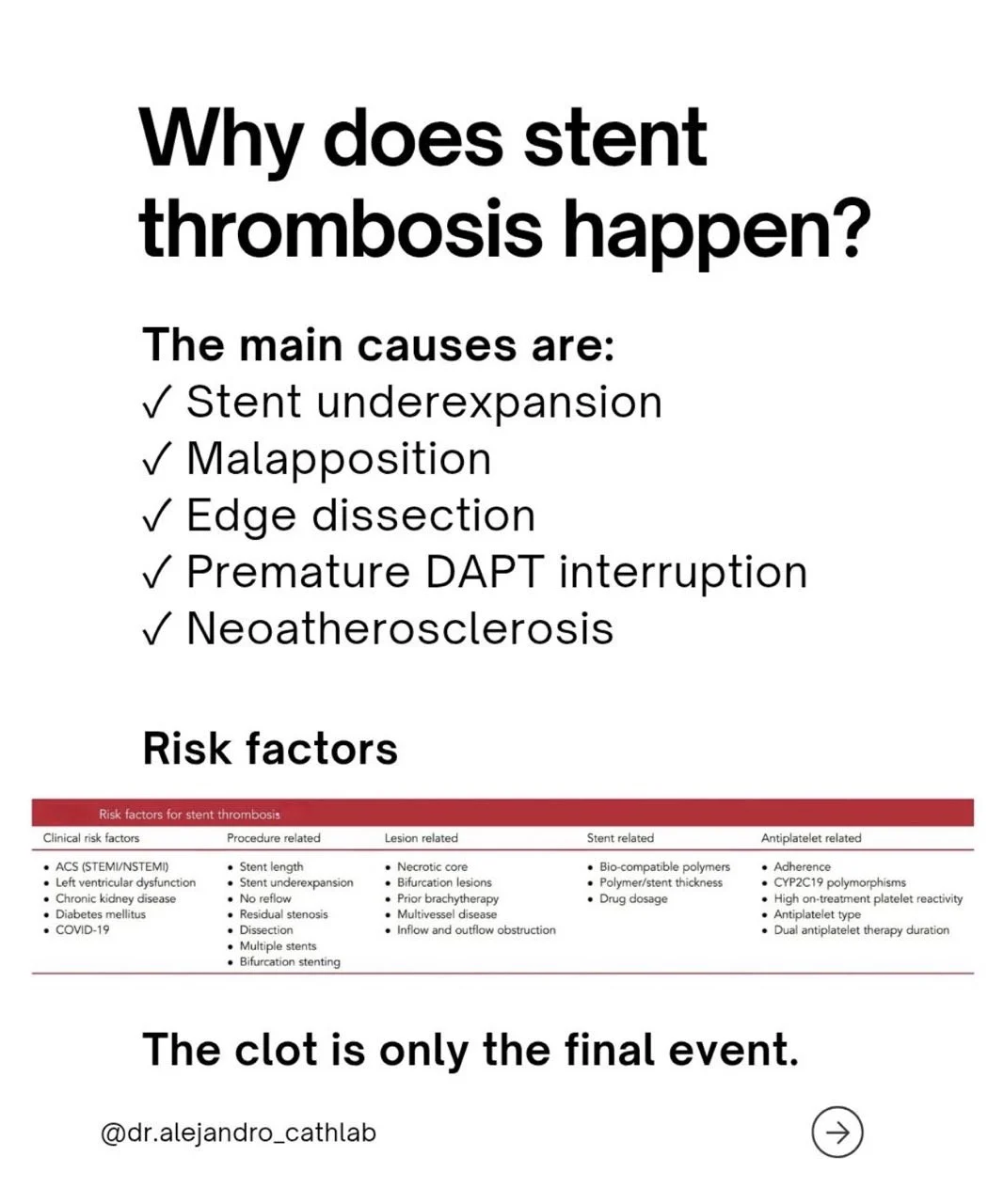
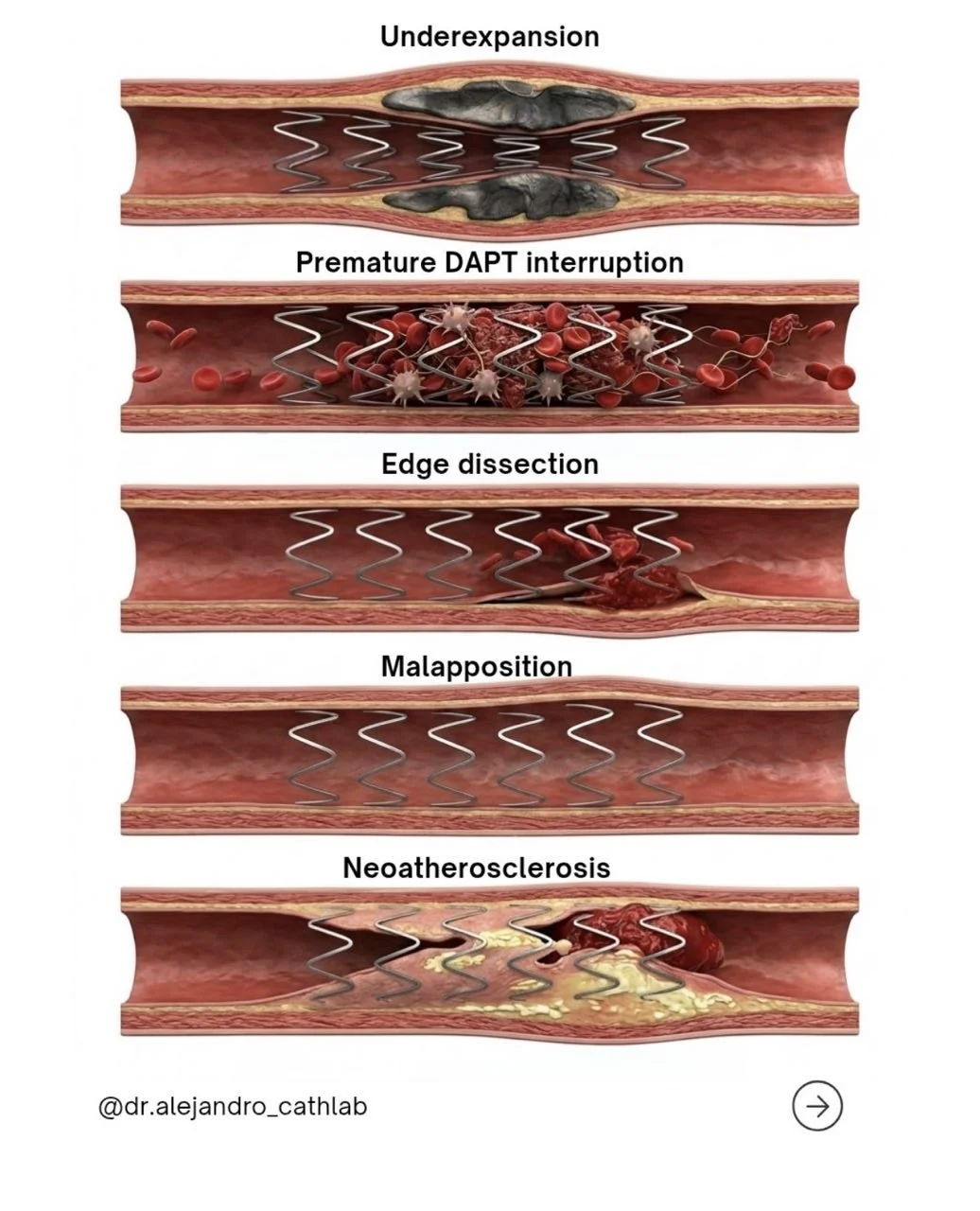
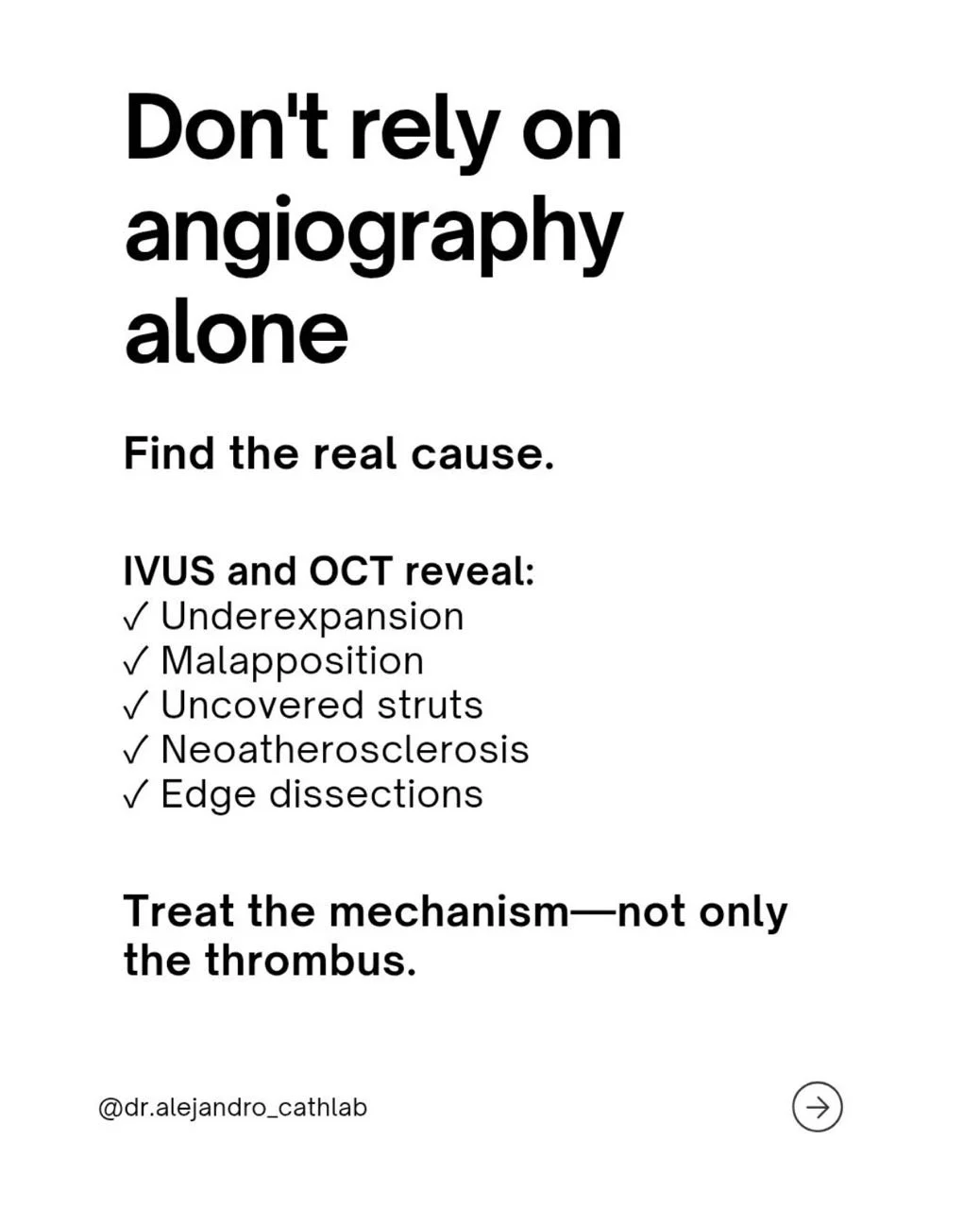
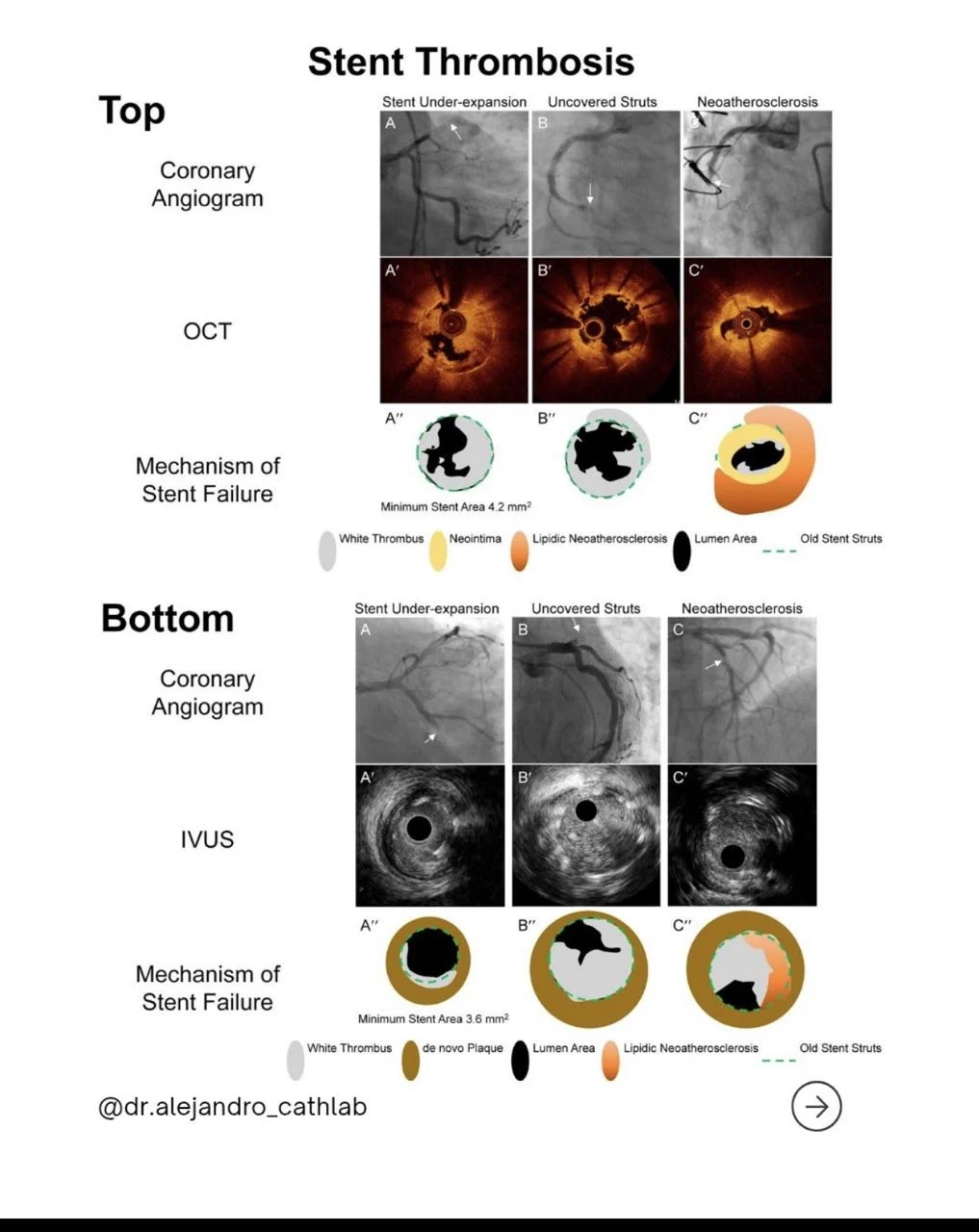
Mechanical problems such as underexpansion, malapposition, edge dissection, or neoatherosclerosis frequently underlie this complication.
This is why IVUS and OCT have become essential tools—not only to diagnose the cause but also to optimize the final PCI result.
The 2023 SCAI Expert Consensus reinforces an important concept:
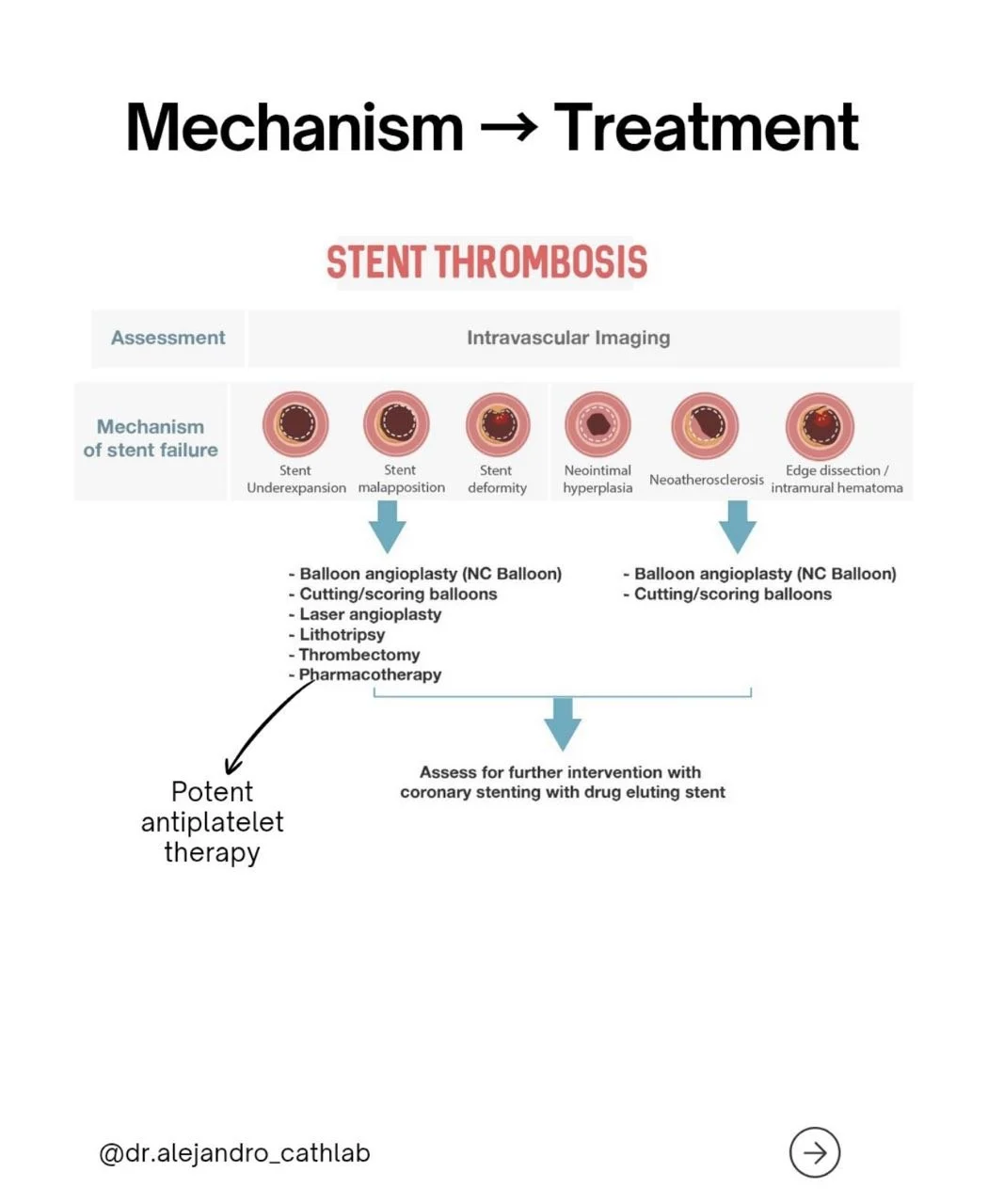
Treat the mechanism—not just the thrombus.
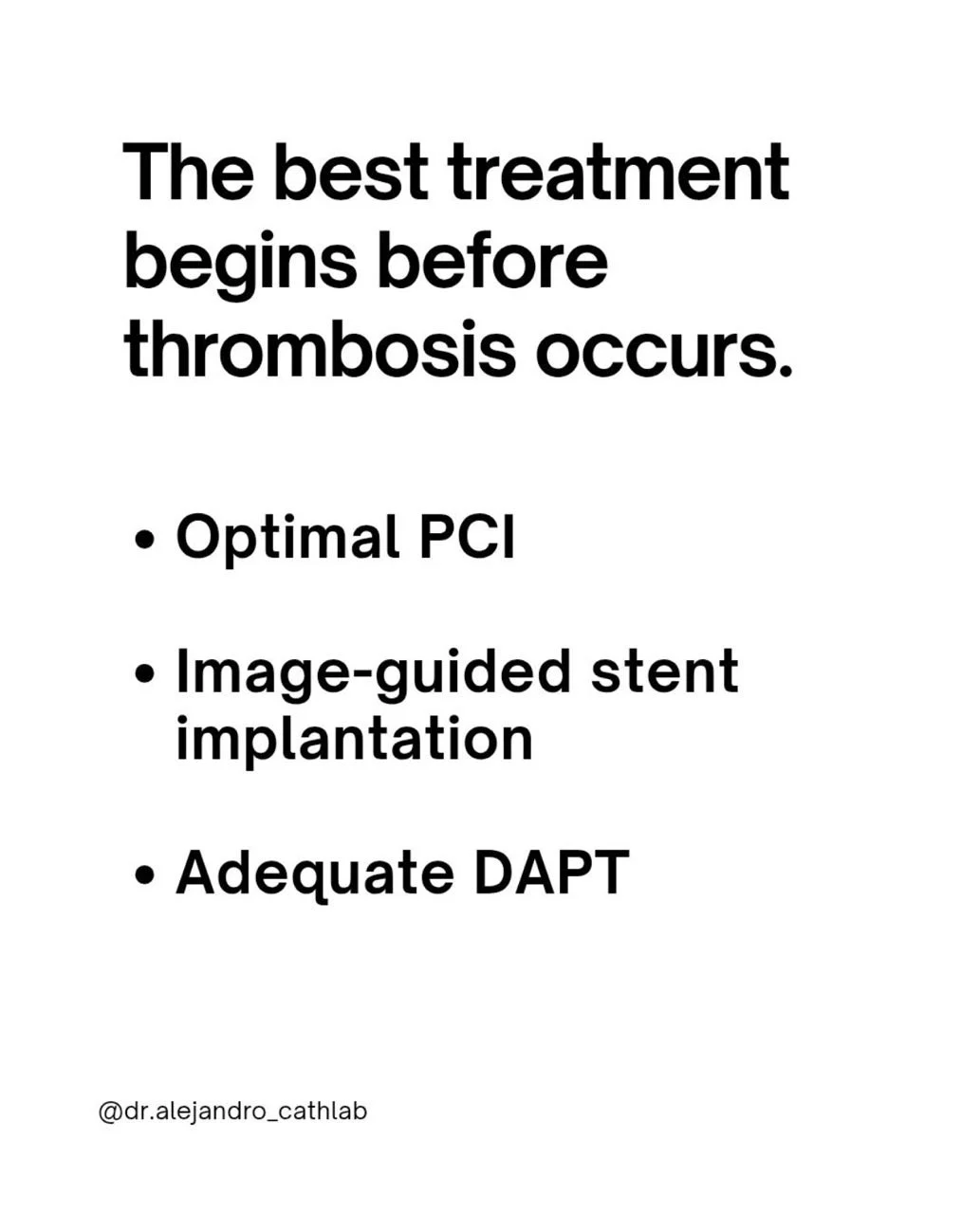
Routine image-guided PCI and appropriate dual antiplatelet therapy remain our best strategies to prevent stent thrombosis.”
Title: SCAI Expert Consensus Statement on Management of In-Stent Restenosis and Stent Thrombosis
Authors: Lloyd W. Klein, Sandeep Nathan, Akiko Maehara, John Messenger, Gary S. Mintz, Ziad A. Ali, Jennifer Rymer, Yader Sandoval, Karim Al-Azizi, Roxana Mehran, Sunil V. Rao, Amir Lotfi

Stay updated on all scientific advances with Hemostasis Today.
-
Oct 5, 2026, 15:00Serena Williams and Pulmonary Embolism: From Personal Crisis to Lessons in Venous Thromboembolism
-
Oct 5, 2026, 14:55Marco Moscarelli: 3D Reconstruction Enhances Volumetric Assessment of Post-TAVI Thrombosis
-
Oct 5, 2026, 13:24Abdul Muqtadir Abbasi: Diagnostic Pearls for Evaluating Isolated Thrombocytopenia in Residents
-
Oct 5, 2026, 13:16Katerina Pavenski: Rethinking What ‘Normal’ Means for Iron Deficiency
-
Oct 5, 2026, 13:09Rick Matthews: Balancing Established VTE Partnerships with Innovative Interventional Technologies
-
Oct 5, 2026, 13:01Nawsherwan Mohammad: Recognizing TTP Before the ADAMTS13 Result Arrives
-
Oct 5, 2026, 12:51Bruno Pougault: The Hidden Challenges Behind Anti Xa Testing
-
Oct 5, 2026, 12:41Syed Huzaifa Khan: Rethinking CTRP12 as a Biomarker for In Stent Restenosis
-
Oct 5, 2026, 12:29Mirvat Alasnag: Creating a Space for Women in Cardiovascular Medicine