


University of California/Tufts CTSI
Aug 8, 2025, 17:15
Patent Foramen Ovale and Stroke: David Kent and Andy Wang Break It Down
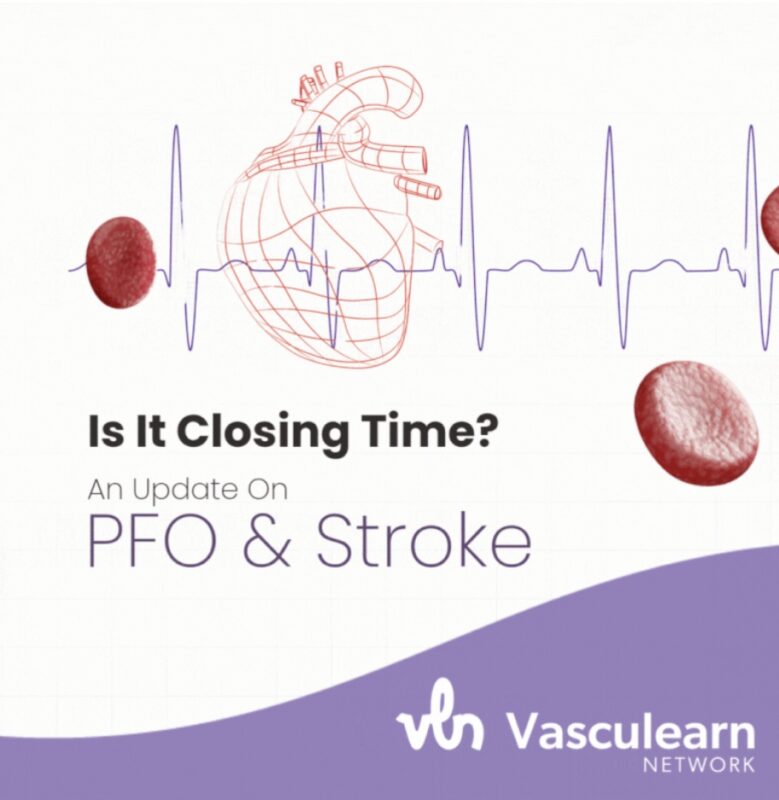
Vasculearn Network shared an insightful post on LinkedIn:
”ICYMI: PFO and Stroke – Who Benefits from Closure?
About 1 in 4 adults has a PFO, but not everyone needs it closed. A new July 2025 JAMA review reframes PFO closure as targeted, not routine, therapy for select stroke patients.
Key tools guiding treatment:
- RoPE score: Predicts if stroke is PFO-related
- PASCAL system: Adds anatomy to assess stroke causality
Best candidates?
- Age ≤60
- Cryptogenic stroke
- High PASCAL score
- No vascular risk factors
In these patients, closure cuts stroke recurrence risk by up to 90% at 2 years.
Everyone else? Medical therapy still leads with individualized decisions on antiplatelet vs. anticoagulant”
Find the full update on the community.
Read the full article here.
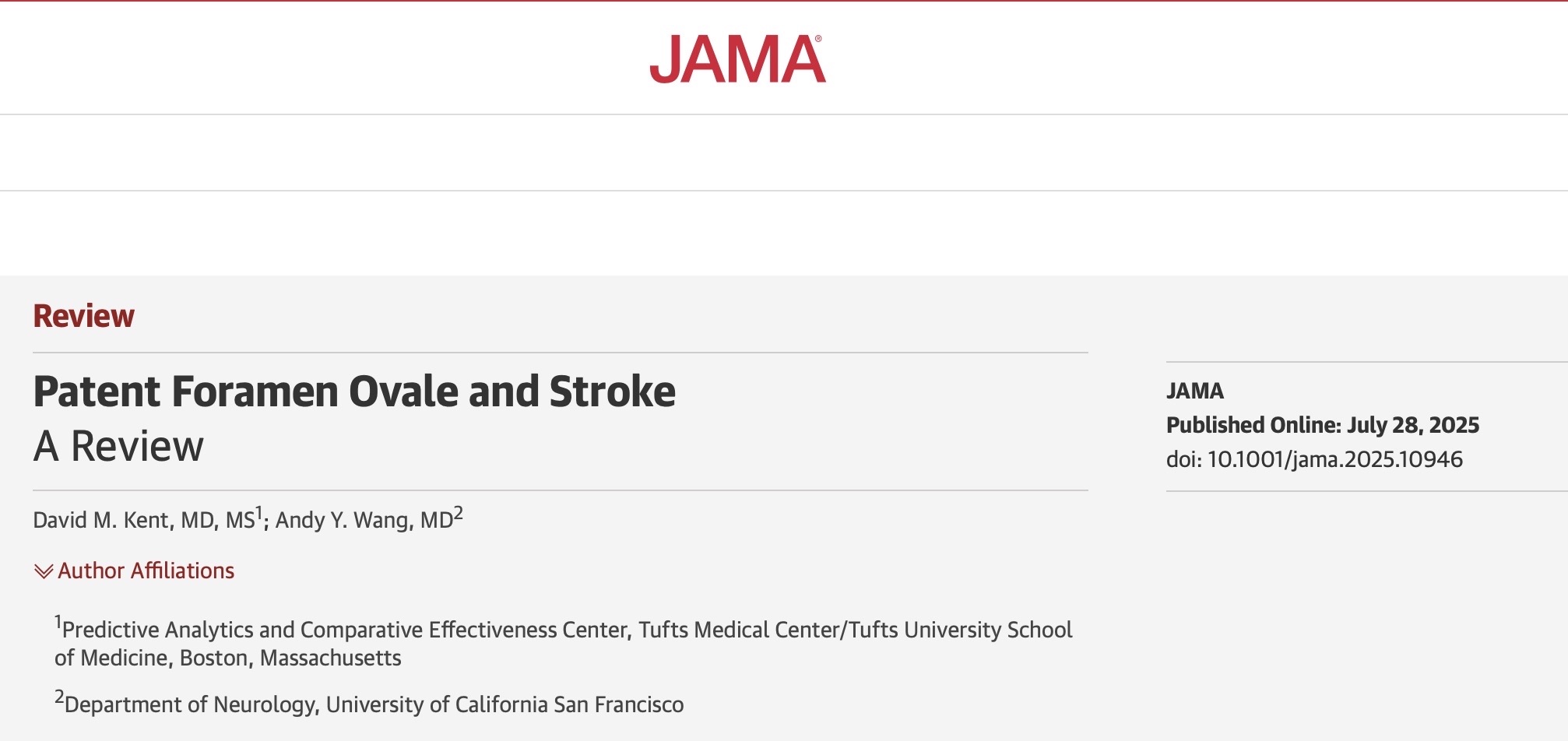
Article: Patent Foramen Ovale and Stroke. A Review
Authors: David M. Kent, Andy Y. Wang
Stay informed on all the scientific advances in hematology with Hemostasis Today.
-
Oct 6, 2026, 05:52David Esposito: Can Standard Ultrasound Detect May Thurner Syndrome?
-
Oct 6, 2026, 04:33Hessam Kakavand: Rethinking Thrombotic Risk in Modern Cancer Therapy
-
Oct 6, 2026, 04:07Moussa Zein Aldine: Acute Coronary Syndrome Every Minute Matters
-
Oct 6, 2026, 03:13Patrick Taylor: Glow Stack Trend What the Evidence Really Shows
-
Oct 6, 2026, 02:59Preventing Hospital Associated Venous Thromboembolism – Thrombosis Canada
-
Oct 6, 2026, 02:42Treatment of Iron Deficiency With and Without Anemia – American Society of Hematology
-
Oct 6, 2026, 02:36Mouna Sassi: When Clinical and Laboratory Perspectives Meet in Thrombosis Care
-
Oct 6, 2026, 02:35Lucia Stefanini: Platelet Dysfunction and Oxidized Phospholipids in MASLD
-
Oct 6, 2026, 02:18Pablo Corral: Association of Lp(a) With Coronary Atherosclerosis and CV Events