

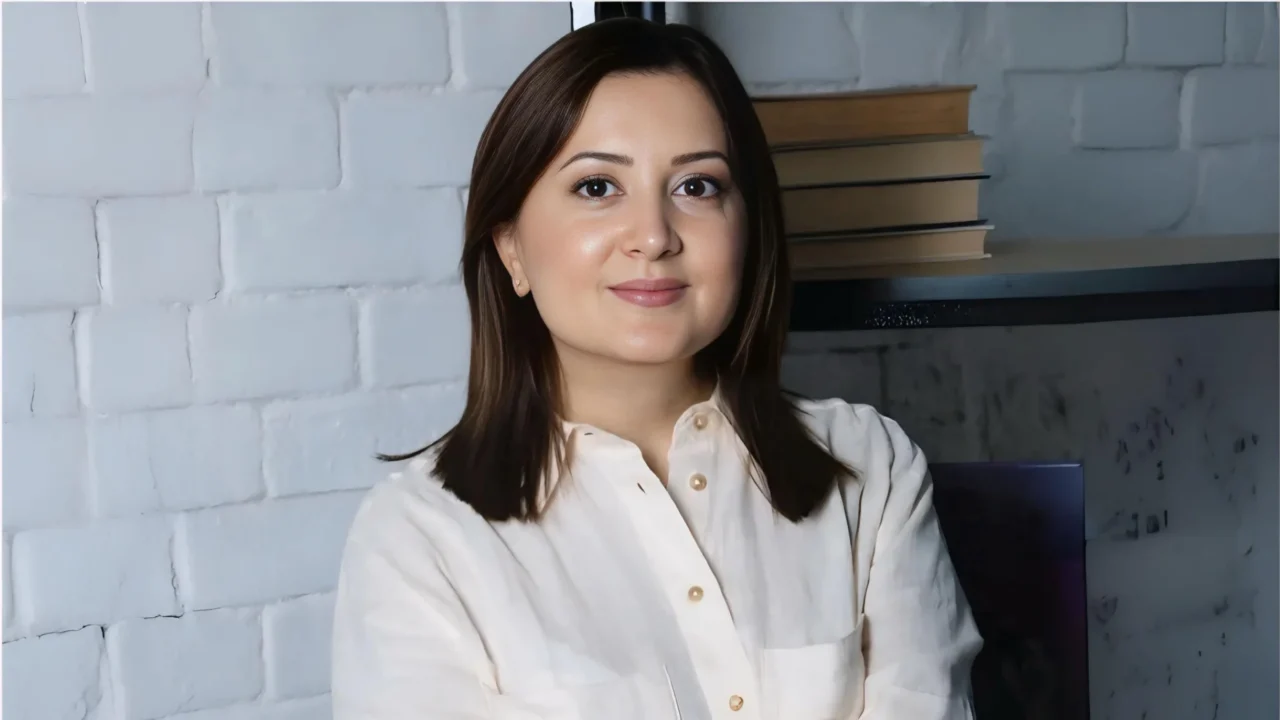
Heghine Khachatryan: 2026 AHA Guideline on the Management of CKM Syndrome
Heghine Khachatryan, Editor-in-Chief of Hemostasis Today, Head of Hemophilia and Thrombosis Center at Yeolyan Hematology and Oncology Center, shared American Heart Association’s post on LinkedIn, adding:
“The publication of the 2026 American Heart Association (AHA) Guideline on the Management of Cardiovascular–Kidney–Metabolic (CKM) Syndrome represents another important step toward precision cardiovascular prevention.
The guideline emphasizes that cardiovascular, renal, and metabolic diseases should no longer be approached as isolated entities but rather as interconnected components of a unified pathophysiological continuum.
This is an important paradigm shift.
As hematologists and thrombosis specialists, we increasingly manage patients whose thrombotic risk is closely intertwined with metabolic dysfunction, chronic kidney disease, and cardiovascular pathology.
Incorporating standardized cardiovascular risk prediction into multidisciplinary care can facilitate earlier prevention strategies and improve outcomes in high-risk populations.”
American Heart Association shared a post on LinkedIn:
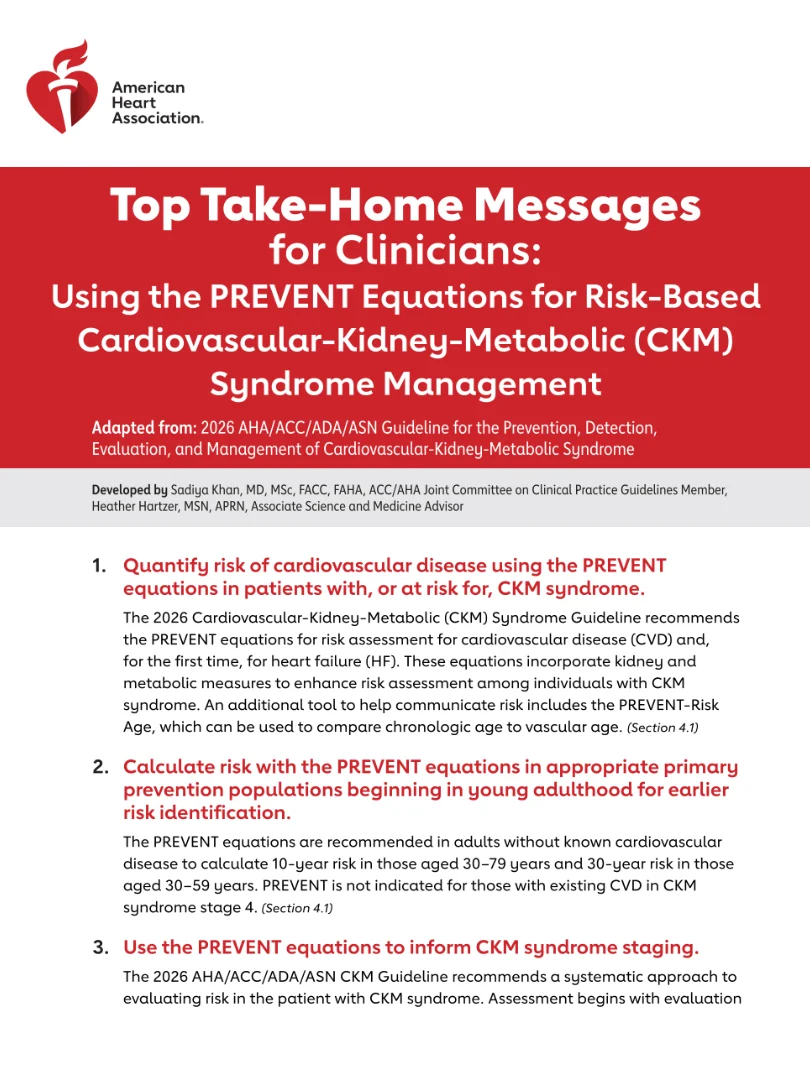
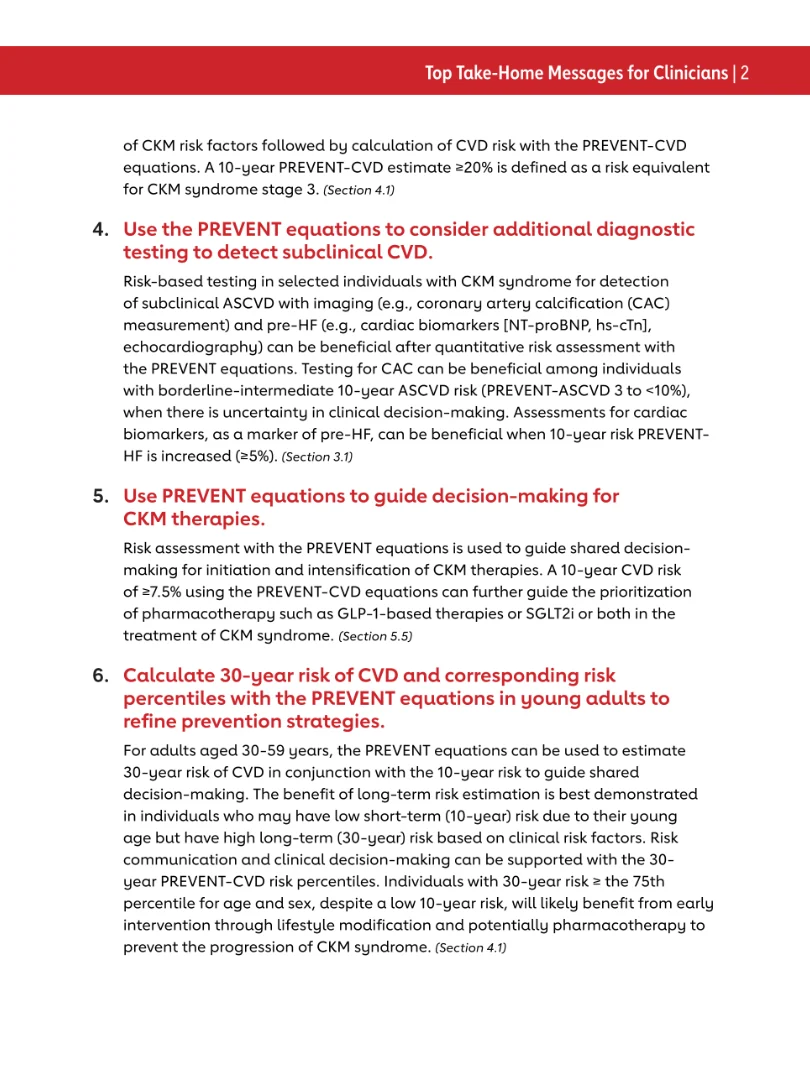
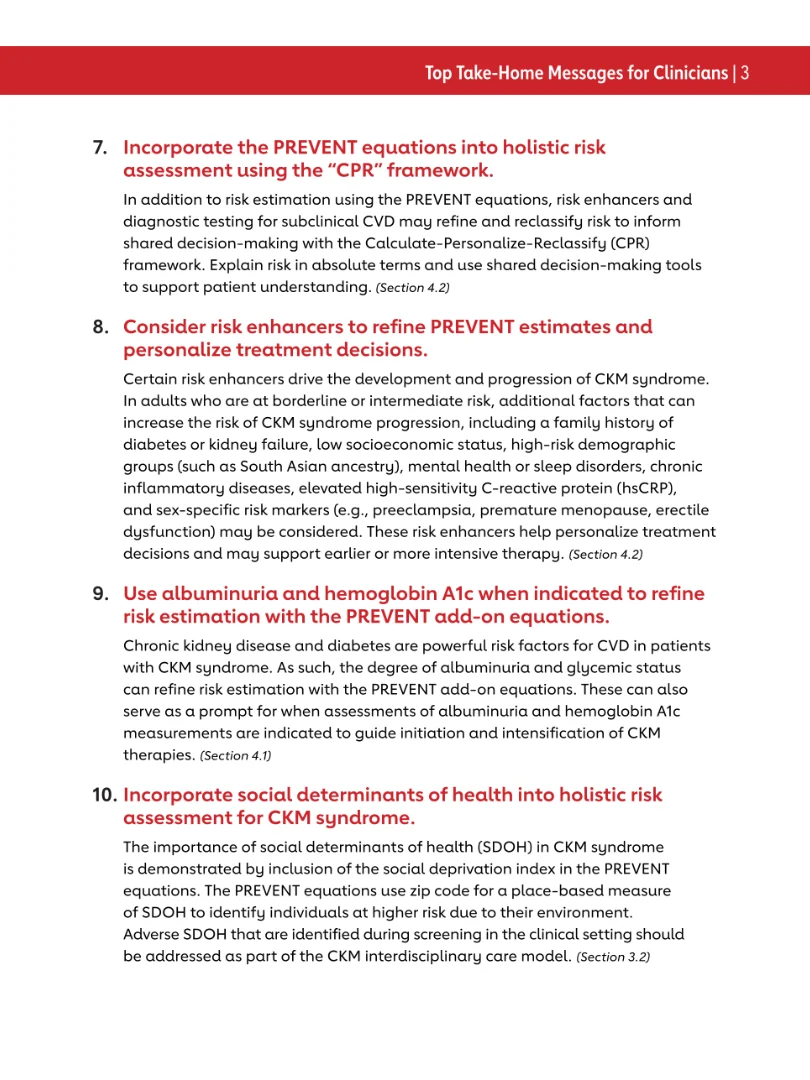
“The 2026 Guideline on the Management of CKM Syndrome was recently published.
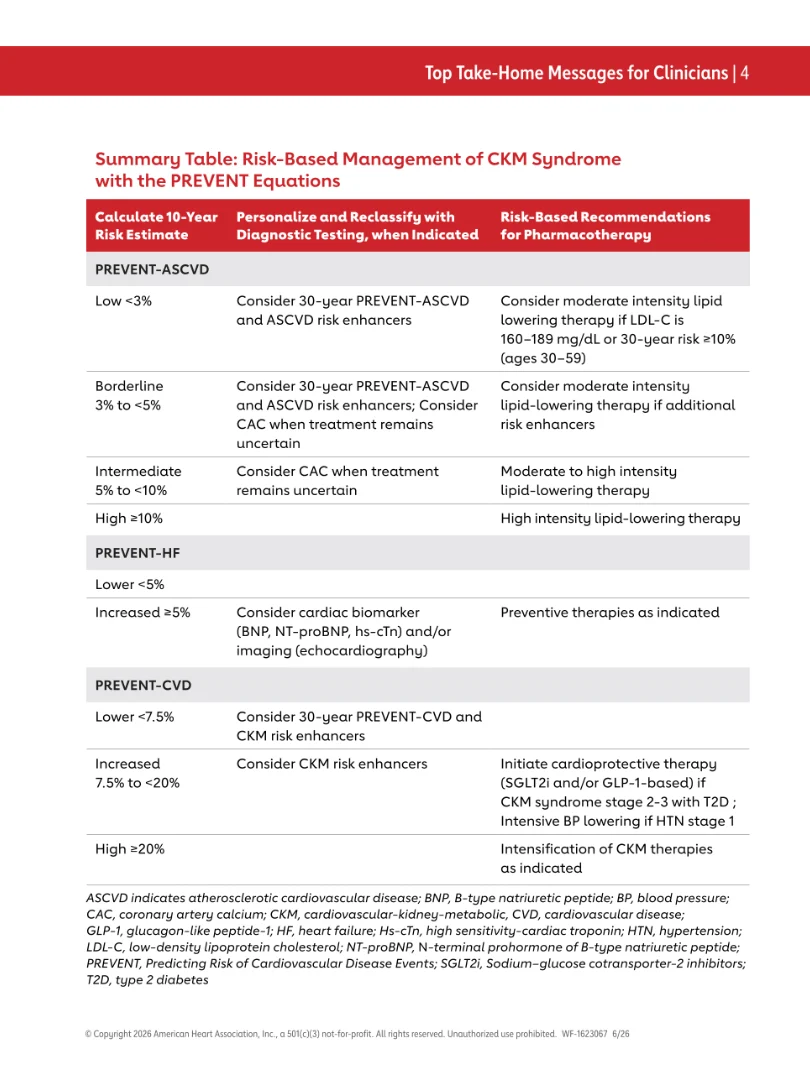
Individuals at risk for cardiovascular disease (CKM syndrome stage 0-3) should have their risk quantified with the PREVENT (Predicting Risk of cardiovascular disease EVENTs) equations to estimate 10- and 30-year risk for atherosclerotic cardiovascular disease, heart failure, and total CVD.
PREVENT estimates inform CKM syndrome staging, with greater than or equal to 20% predicted 10-year CVD risk serving as one criterion for CKM syndrome Stage 3. A greater than or equal to 7.5% predicted 10-year CVD risk further informs the prioritization of pharmacotherapies”
Other posts featuring Heghine Khachatryan on Hemostasis Today.
-
Oct 14, 2026, 07:36Daniel Pereira Monteiro: ASCAT 2026 A Day of Science, Connection and Community
-
Oct 14, 2026, 07:20Rachael Jackman: Understanding Models of Transfusion Medicine at AABB 2026
-
Oct 14, 2026, 07:09Dianne E. van der Wal: A New Chapter in Academia Celebrating a Journey in Research, Teaching and Platelet Science
-
Oct 14, 2026, 06:55Mahdieh Dagina Pedersen: A Meaningful Milestone in Hemophilia A Research and Oral Drug Development
-
Oct 14, 2026, 06:37Neoklis Mparis: Unilateral Adrenal Haemorrhage in Primary Antiphospholipid Syndrome During Bridging Anticoagulation
-
Oct 14, 2026, 06:00Aymen A.: LAAC vs. OAC in Patients with Atrial Fibrillation Including CHAMPION-AF and CLOSURE-AF Trials
-
Oct 13, 2026, 21:05Francisco Chacón-Lozsán: Heparin-Induced Thrombocytopenia – When an Anticoagulant Triggers Thrombosis
-
Oct 13, 2026, 21:04Aref Zribi: Isolated Tumor Thrombus and the Role of Prophylactic Anticoagulation
-
Oct 13, 2026, 21:01Alex Larson: Why Normal Bloodwork Does Not Always Tell the Whole Story