


Jan Sloves: Why Pelvic Venous Disorders Remain Underrecognized
Jan Sloves, President and Consultant at Vascular Imaging Professionals LLC, shared a post on LinkedIn about a recent article by Francine Freitas Fernandes et al., published in Ultrasonography, adding:
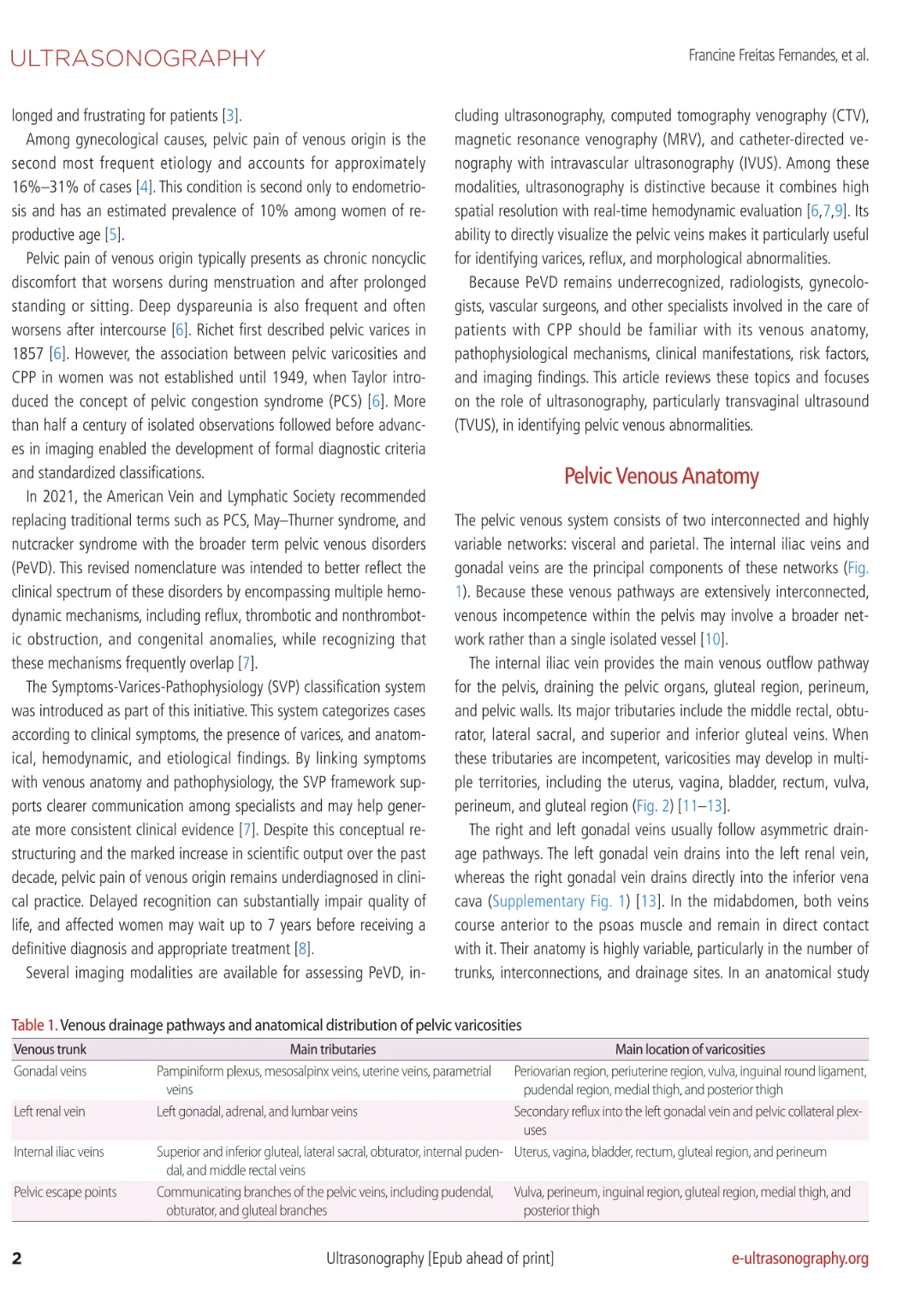
“Pelvic pain of venous origin remains underrecognized, despite being a major contributor to chronic pelvic pain in women and a frequent driver of gynecologic consultation.
This New Ultrasonography Review by Francine Freitas Fernandes and Colleagues is Important Because it Reframes How Vascular Specialists Should Think About Both Terminology and Imaging Strategy at a High Academic Level.
My Key Take home Points
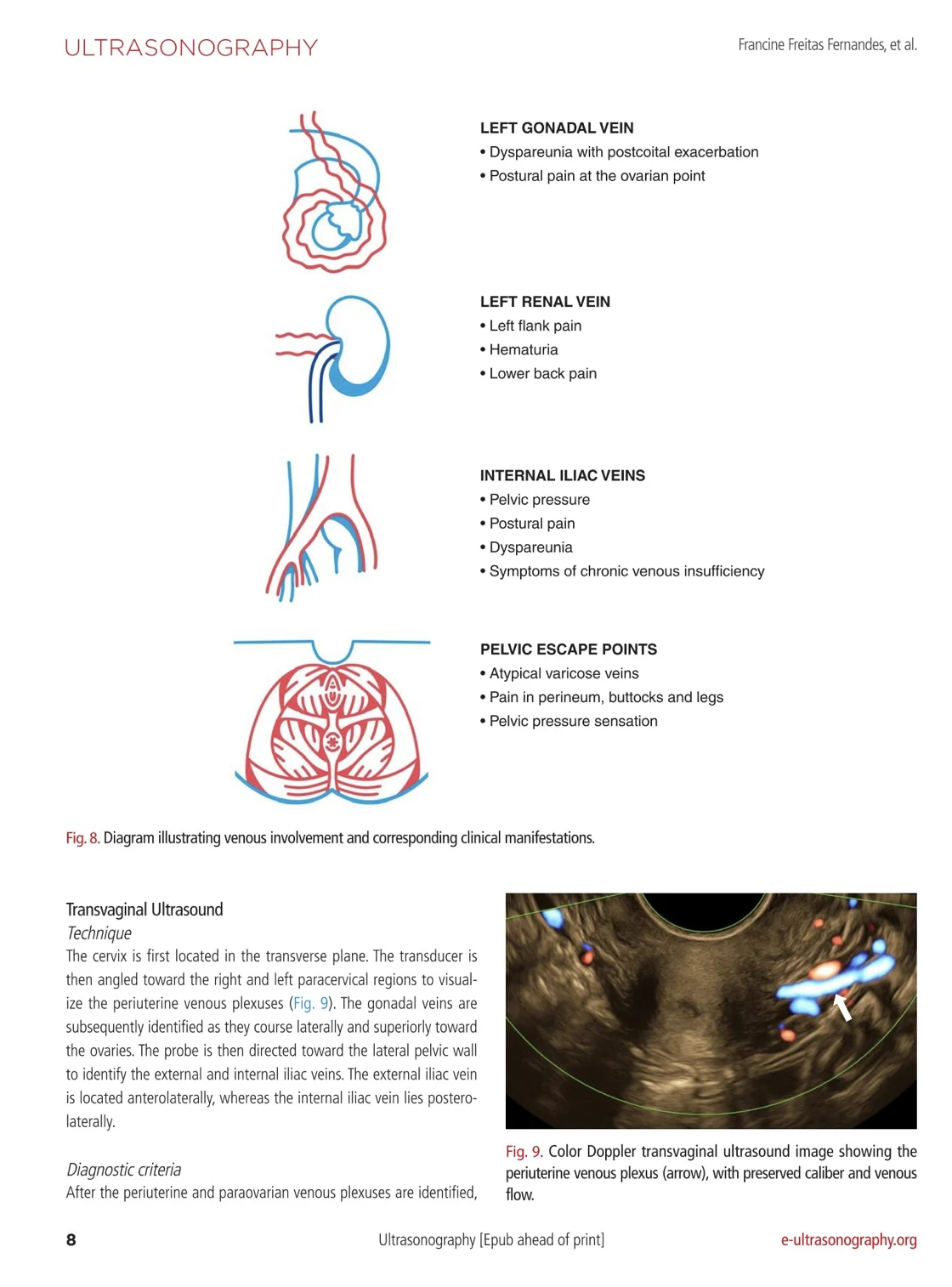
From ‘PCS’ to Pelvic Venous Disorders (PeVD): The move away from narrow labels such as pelvic congestion syndrome acknowledges that reflux, thrombotic and nonthrombotic obstruction and congenital anomalies frequently coexist rather than present as isolated entities
Symptom–varix–pathophysiology linkage: The SVP framework connects symptoms, varices, and anatomic/hemodynamic findings, creating a more rigorous language between gynecology, vascular surgery, and radiology
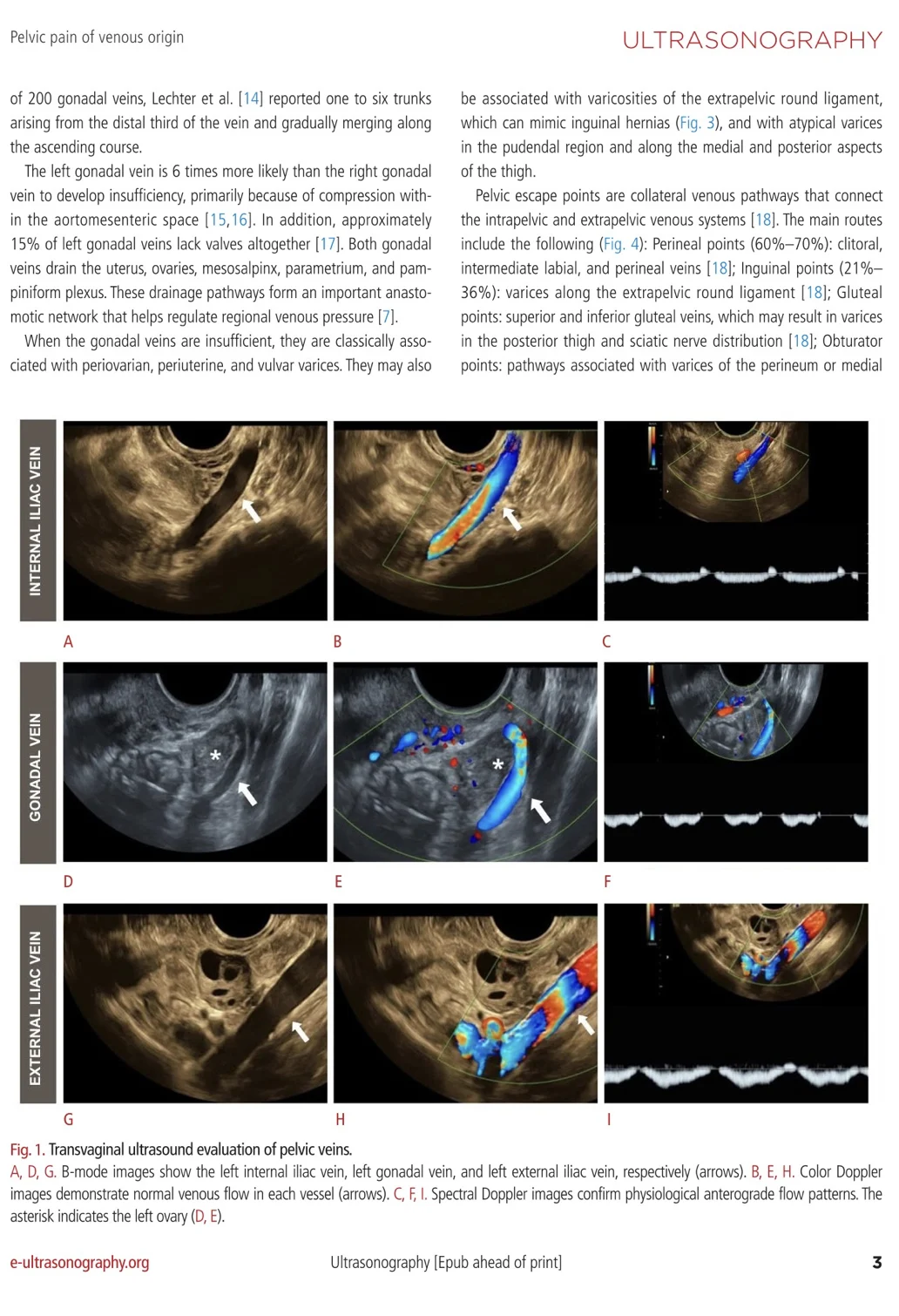
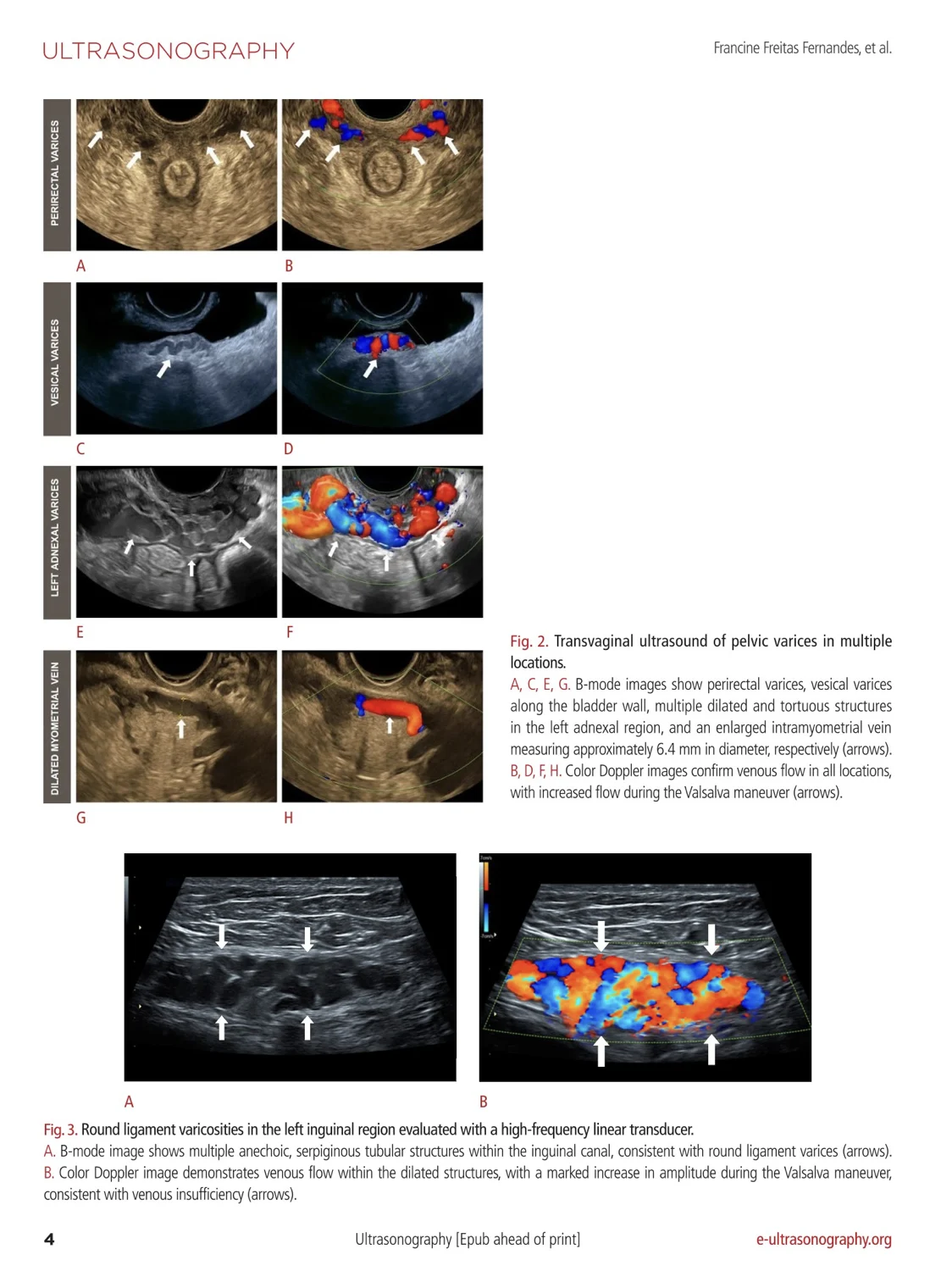
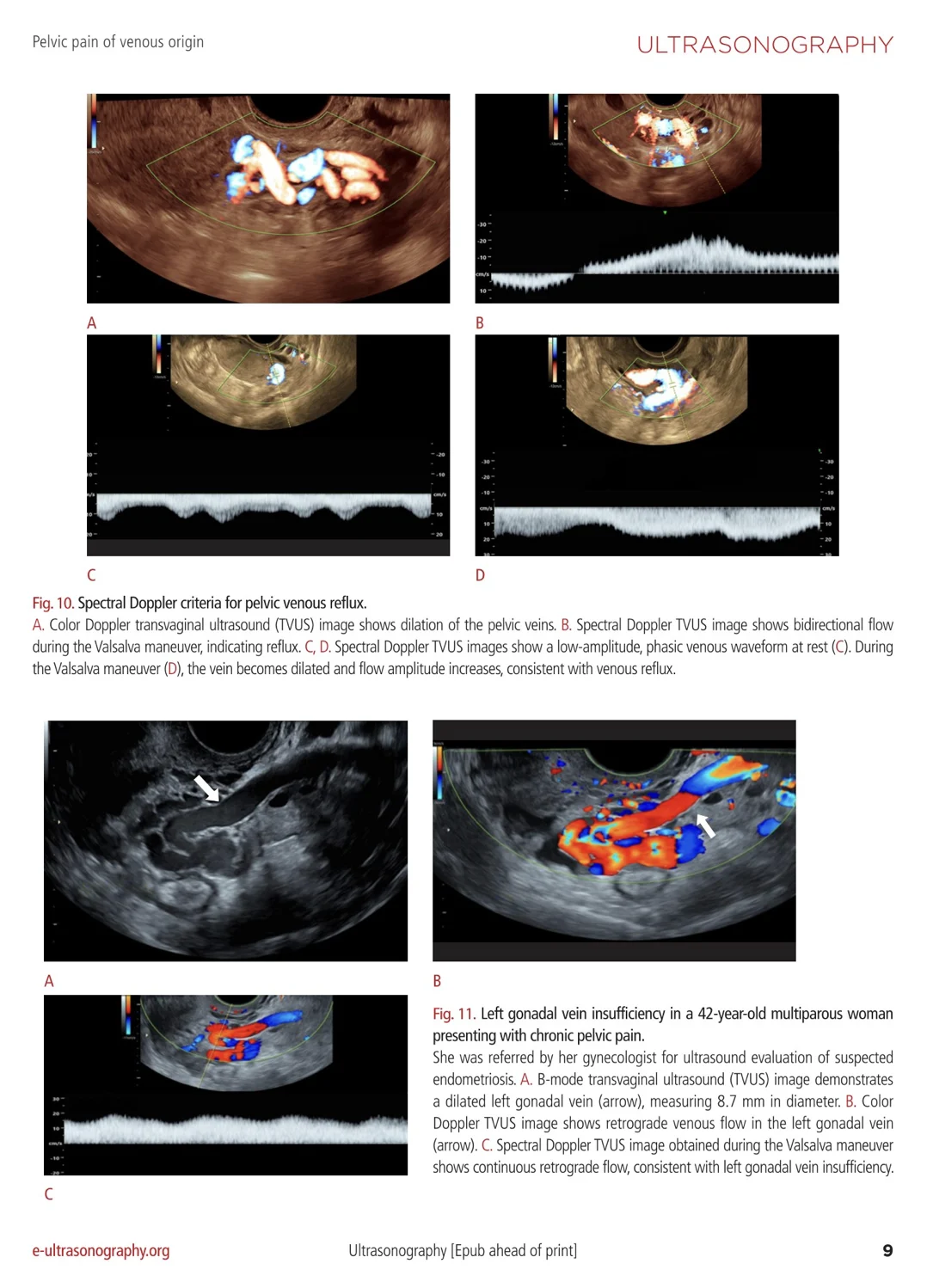
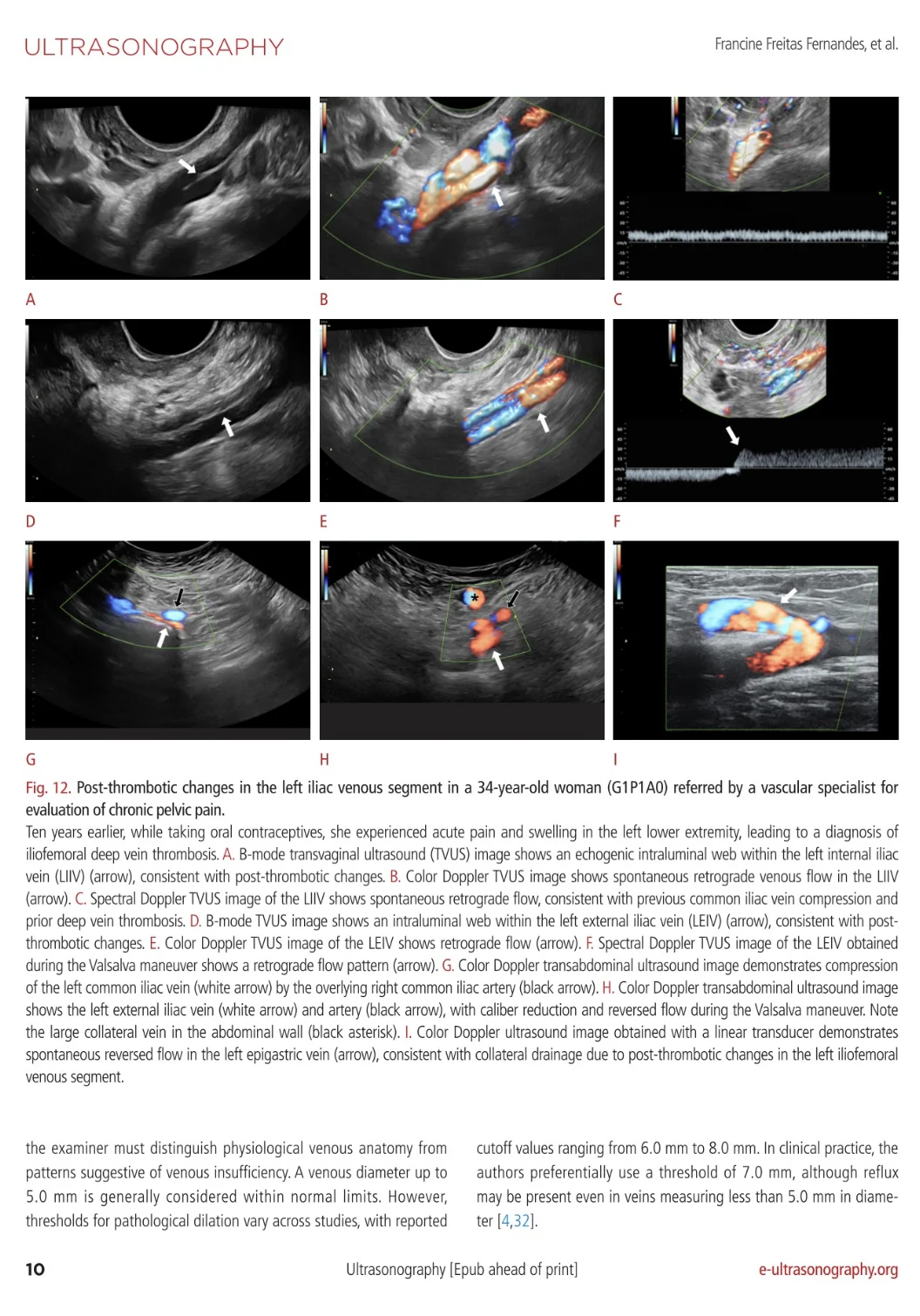
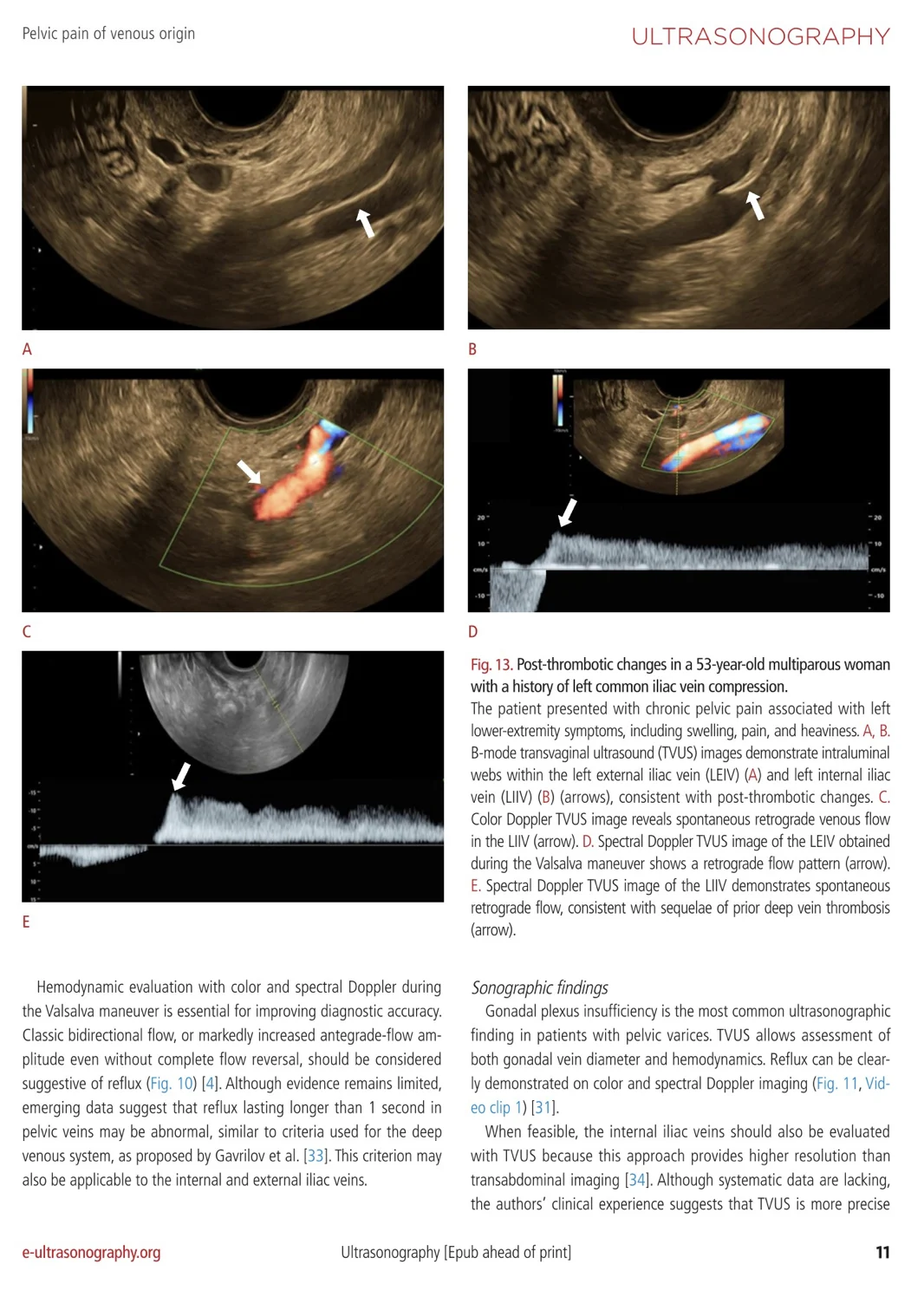
Transvaginal ultrasound as a hemodynamic examination: When performed with appropriate positioning, venous filling and Doppler interrogation during Valsalva, TVUS can define ovarian and internal iliac venous insufficiency with a degree of functional detail that is often under appreciated
Diameter alone is insufficient: Venous caliber thresholds are useful, but spectral evidence of reflux and overall hemodynamic context remain essential for distinguishing clinically meaningful disease from incidental dilation.
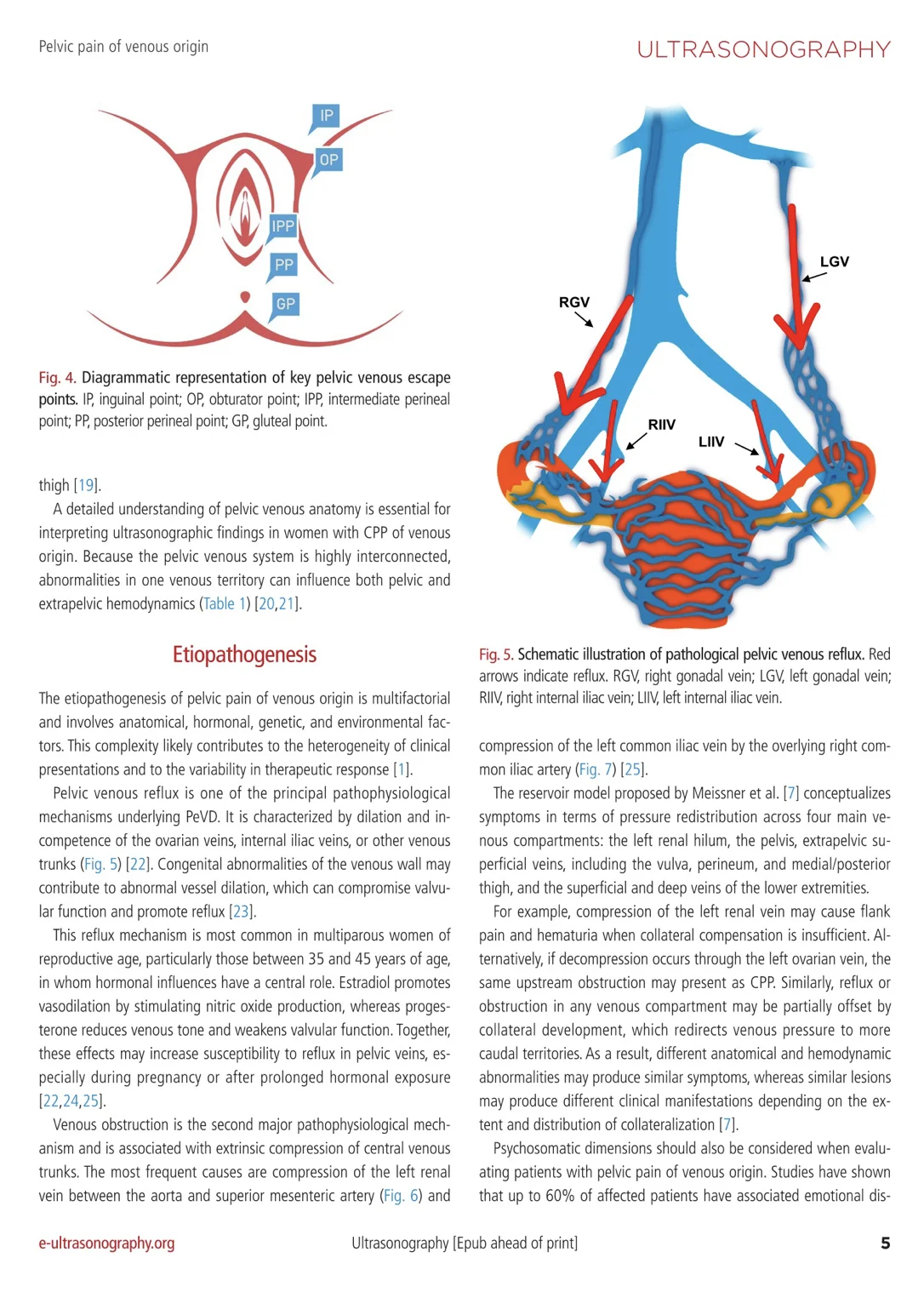
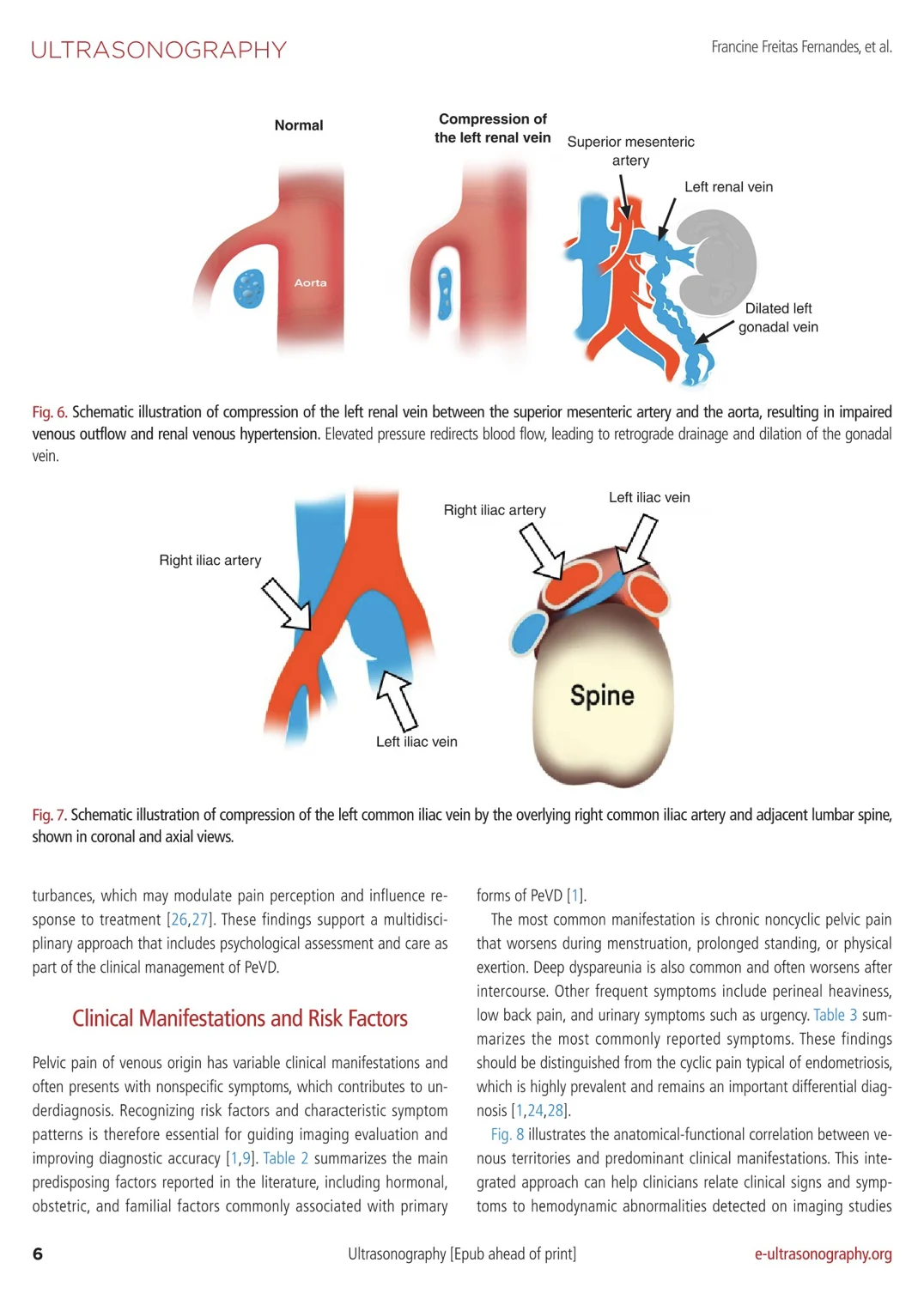
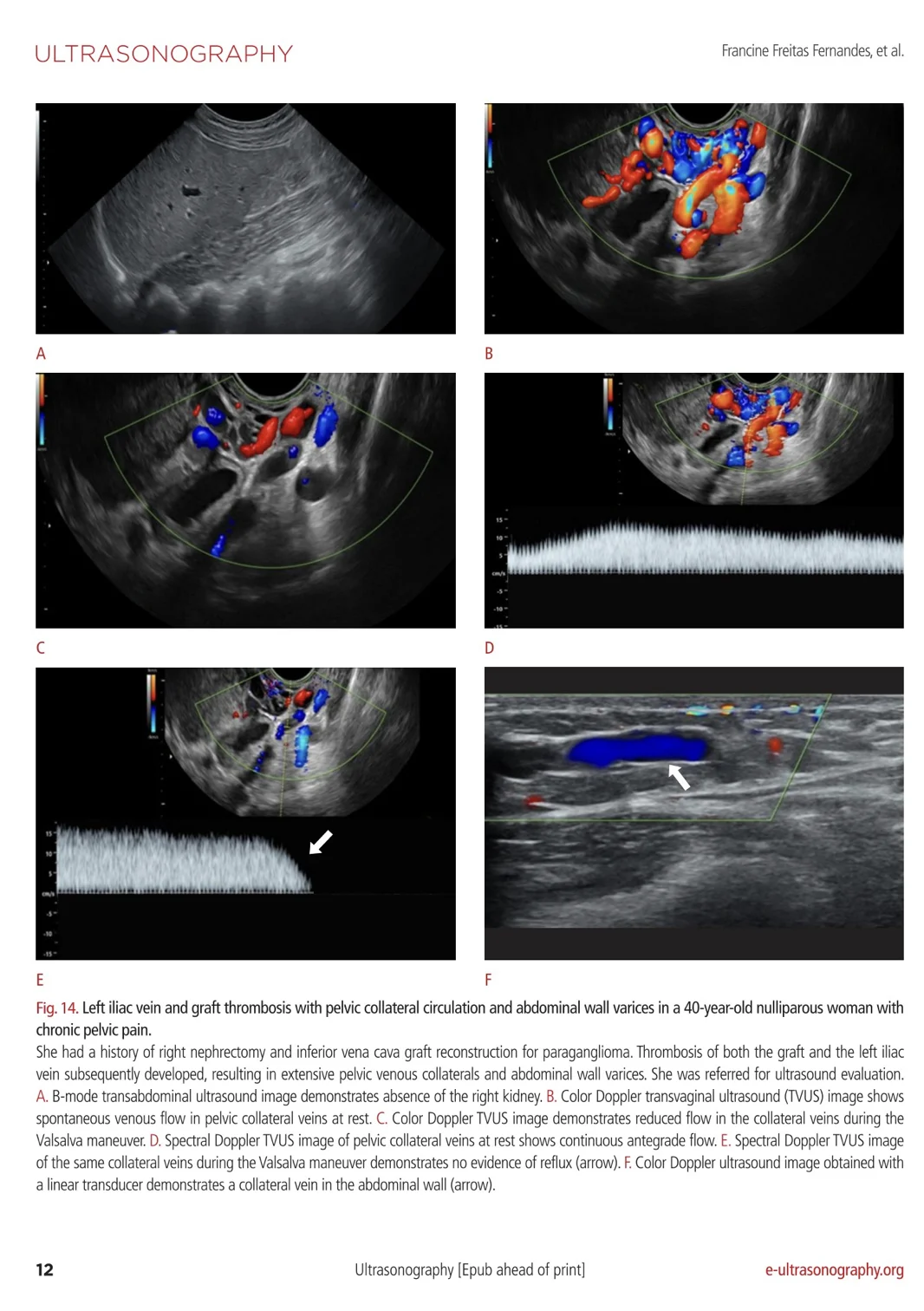
Reflux versus collateralization: Dilated pelvic veins may represent primary venous insufficiency or collateral pathways secondary to iliac or caval obstruction, making Doppler behavior central to interpretation
Diagnostic delay matters: The paper emphasizes that these patients may wait years for definitive diagnosis and failure to recognize a venous etiology contributes directly to delayed care and inappropriate management
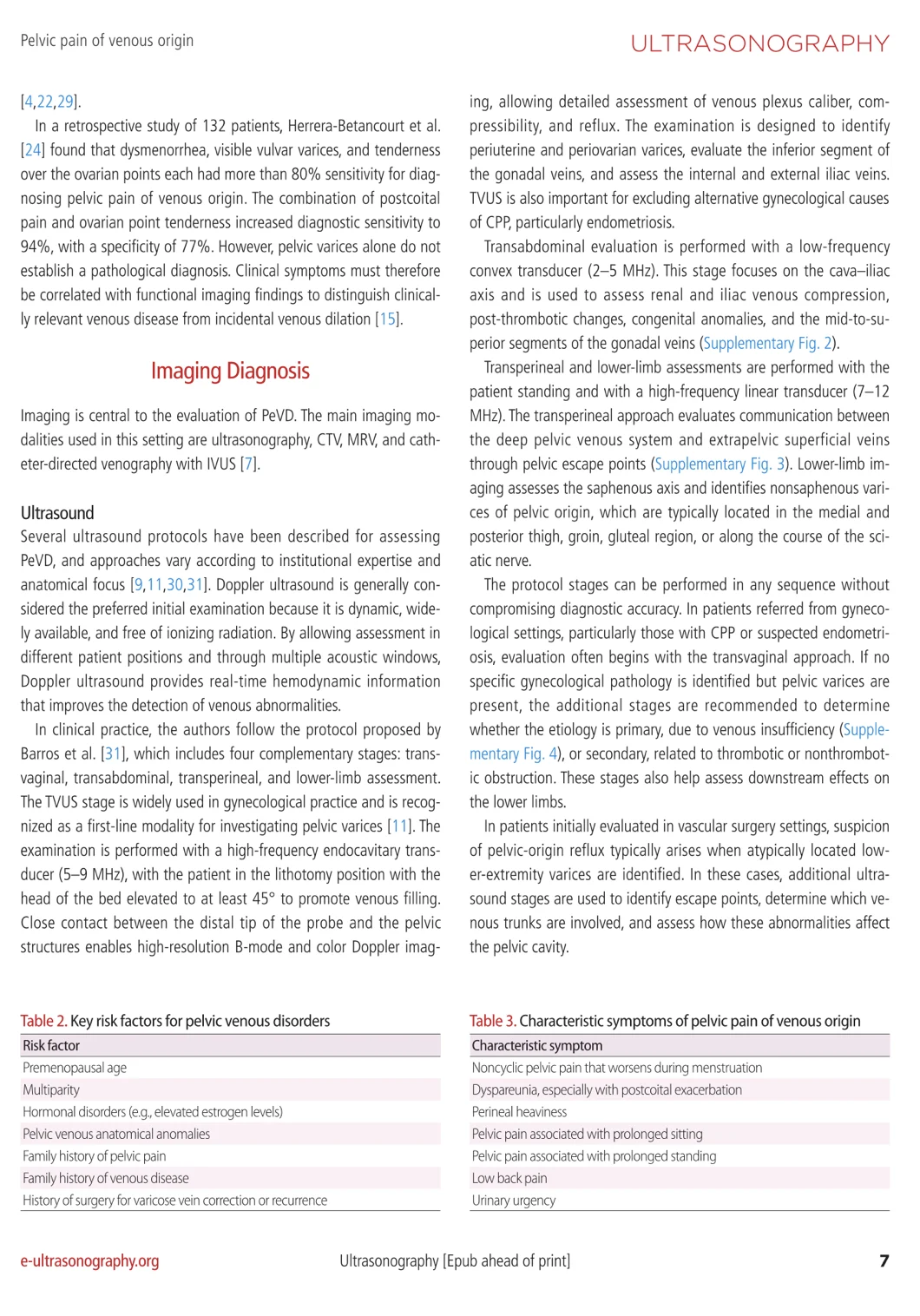
Protocol integration is overdue: A structured four-stage ultrasound approach offers a credible framework for routine practice and in my view, this is the level of pelvic venous assessment our labs should be delivering consistently.”
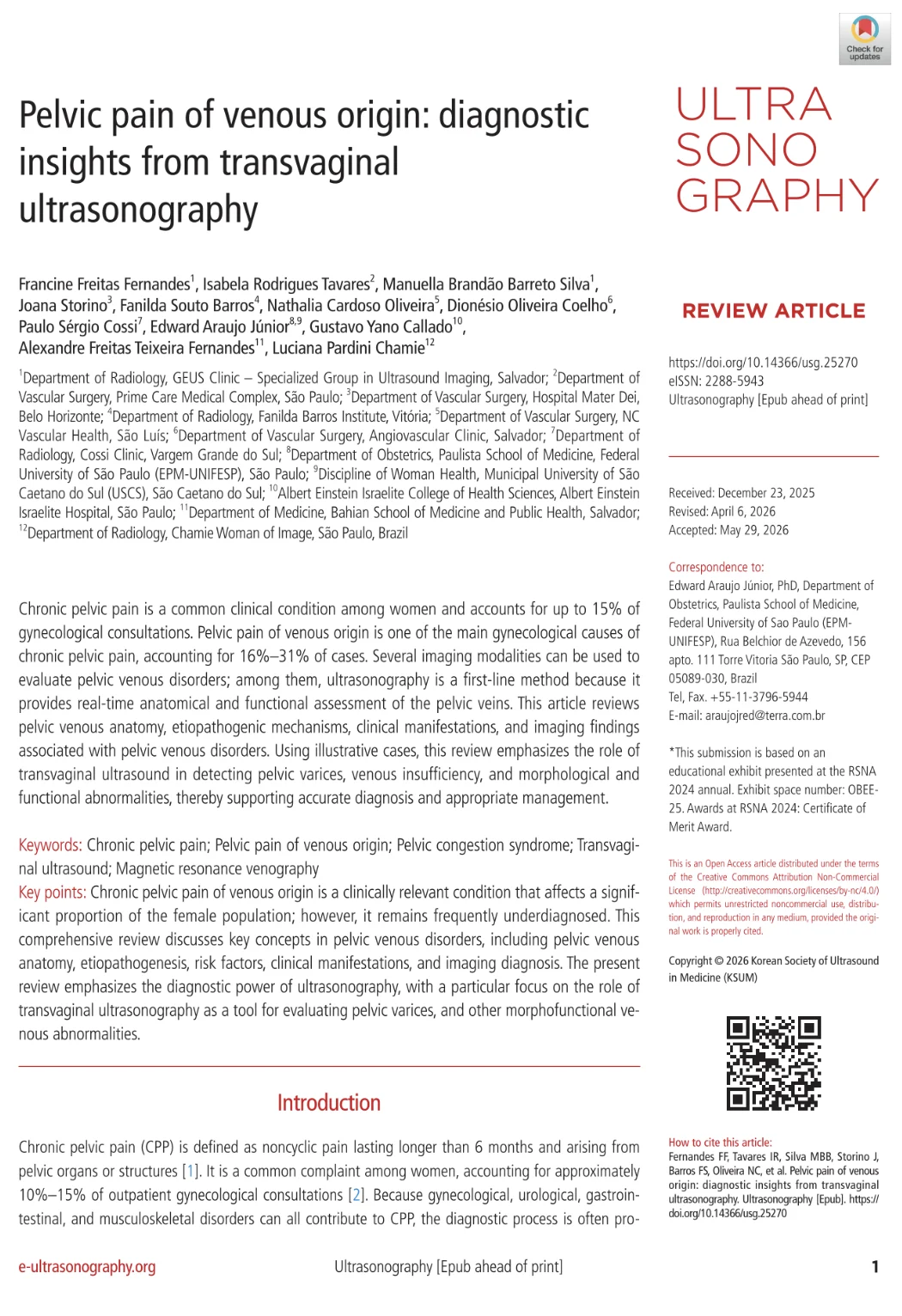
Title: Pelvic pain of venous origin: diagnostic insights from transvaginal ultrasonography
Authors: Francine Freitas Fernandes, Isabela Rodrigues Tavares, Manuella Brandão Barreto Silva, Joana Storino, Fanilda Souto Barros, Nathalia Cardoso Oliveira, Dionésio Oliveira Coelho, Paulo Sérgio Cossi, Edward Araujo Júnior, Gustavo Yano Callado, Alexandre Freitas Teixeira Fernandes, Luciana Pardini Chamie
Stay updated on all scientific advances with Hemostasis Today.
-
Oct 1, 2026, 15:44A Century of Von Willebrand Disease Awareness – EHC
-
Oct 1, 2026, 15:31Andreas Calatzis: The Power of Teamwork in Postpartum Hemorrhage
-
Oct 1, 2026, 15:09Halimat Olaniyan: The Role of Transfusion Medicine in Sickle Cell Disease Care
-
Oct 1, 2026, 14:58Samir Kumar Beura: Modern Approaches to Platelet Structure and Function
-
Oct 1, 2026, 14:39Understanding the FDA Pathway for Hematology Product Development – American Society of Hematology
-
Oct 1, 2026, 13:56Ravi C Dara: Advancing Red Cell Exchange in Sickle Cell Disease
-
Oct 1, 2026, 13:50Mateo Marin-Cuartas: What Matters After Aortic Valve Replacement in Younger Patients?
-
Oct 1, 2026, 13:17Anirban Sen Gupta: Sharing Ideas, Advancing Biomedical Innovation
-
Oct 1, 2026, 13:01Michael Honigberg: Clonal Hematopoiesis as a Driver of Aortic Valve Calcification