

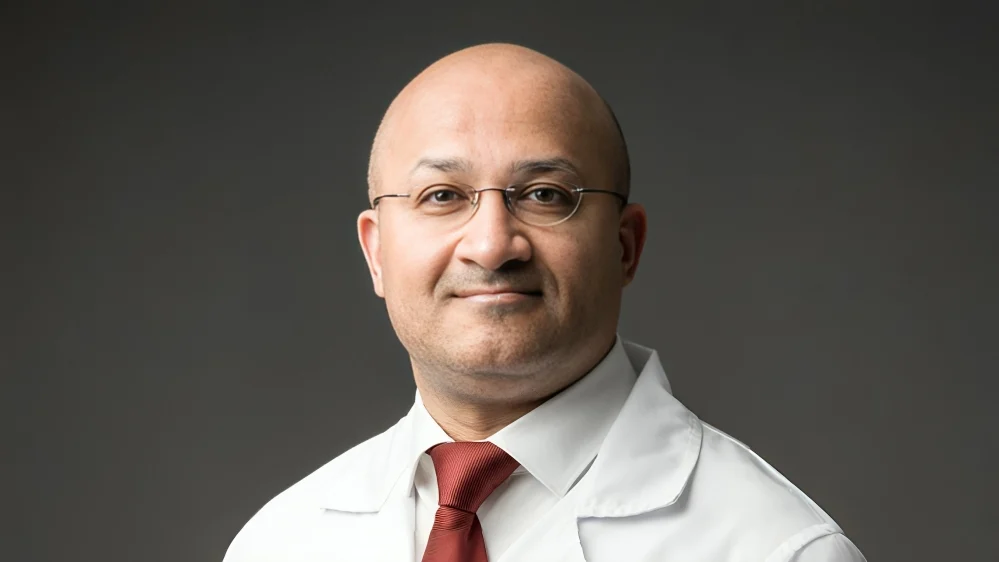
Jorge Lima։ Understanding Recurrent Pregnancy Loss
Jorge Lima, Professor Auxiliar Convidado at NOVA Medical School, Gynecologist and Obstetrician at Hospital da Luz Lisbon, shared a post on LinkedIn about a recent article he and his colleagues co-authored, adding:
”Now published: Systematic review and meta-analysis on recurrent pregnancy loss (RPL)
I’m pleased to share our recent publication examining the overall prevalence of recurrent pregnancy loss and the distribution of its major etiological categories.
Despite its clinical and emotional impact, robust data on how common RPL truly is, and how its causes are distributed, have remained surprisingly limited and heterogeneous.
In this systematic review and meta-analysis of 105 studies and nearly 48,000 women with RPL:
- The estimated population-based prevalence of RPL was approximately 1%, although based on very limited data
- The largest proportion of cases remains unexplained (37%)
Other major categories included:
- Acquired thrombophilia (12%)
- Endocrine factors (8%)
- Anatomical factors and hereditary thrombophilia (6%)
Our findings highlight substantial between-study heterogeneity, partly driven by geographic, demographic, and temporal factors.
Importantly, this work underscores a key issue in reproductive medicine:
- A significant proportion of RPL cases still lack a clear etiological explanation
- There is an urgent need for standardized definitions, diagnostic approaches, and reporting frameworks
To our knowledge, this is among the first meta-analytical syntheses focusing specifically on the prevalence of RPL alongside its etiological distribution, addressing a major gap in the literature.”
Title: Recurrent pregnancy loss: systematic review and meta-analysis of overall prevalence and the distribution of major etiological categories
Authors: Tiago Carvalho, Miguel Ângelo-Dias, Filipa Moutinho, Sofia Silvério Serra, Teresa Costa, João Paulo Martins, Gonçalo S. Duarte, Jorge Lima
Stay updated on all scientific advances with Hemostasis Today.
-
Oct 14, 2026, 07:36Daniel Pereira Monteiro: ASCAT 2026 A Day of Science, Connection and Community
-
Oct 14, 2026, 07:20Rachael Jackman: Understanding Models of Transfusion Medicine at AABB 2026
-
Oct 14, 2026, 07:09Dianne E. van der Wal: A New Chapter in Academia Celebrating a Journey in Research, Teaching and Platelet Science
-
Oct 14, 2026, 06:55Mahdieh Dagina Pedersen: A Meaningful Milestone in Hemophilia A Research and Oral Drug Development
-
Oct 14, 2026, 06:37Neoklis Mparis: Unilateral Adrenal Haemorrhage in Primary Antiphospholipid Syndrome During Bridging Anticoagulation
-
Oct 14, 2026, 06:00Aymen A.: LAAC vs. OAC in Patients with Atrial Fibrillation Including CHAMPION-AF and CLOSURE-AF Trials
-
Oct 13, 2026, 21:05Francisco Chacón-Lozsán: Heparin-Induced Thrombocytopenia – When an Anticoagulant Triggers Thrombosis
-
Oct 13, 2026, 21:04Aref Zribi: Isolated Tumor Thrombus and the Role of Prophylactic Anticoagulation
-
Oct 13, 2026, 21:01Alex Larson: Why Normal Bloodwork Does Not Always Tell the Whole Story