

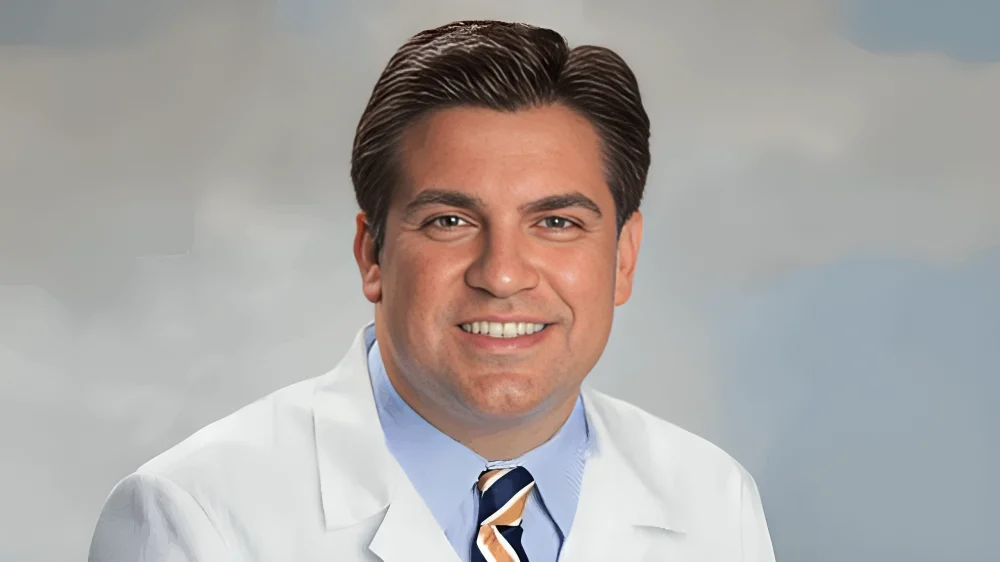
Nathan Connel: How Coordinated Advocacy by the WFH Updated the 2025 WHO Essential Medicines List
Nathan Connell, Clinical Chief of Hematology at Brigham and Women’s Faulkner Hospital, shared a post on LinkedIn about a recent article by Glenn F. Pierce published in Haemophilia, adding:
“Global health policy doesn’t change easily, but when it does, it can redefine standards of care for millions.
This Haemophilia Journal commentary describes how coordinated advocacy by the World Federation of Hemophilia and the global bleeding disorders community led to major updates to the 2025 World Health Organization Essential Medicines List.
The stakes were high: the 2023 EML had effectively positioned cryoprecipitate as first-line therapy for hemophilia, a move that risked reversing decades of progress in safety and efficacy.
Following sustained global engagement across clinicians, patient organizations, and policymakers, the 2025 revisions achieved a critical course correction:
- Removal of cryoprecipitate for hemophilia/VWD indications
- Addition of recombinant FVIII and FIX to the core list
- Inclusion of emicizumab as a core essential medicine
- Elevation of plasma-derived factors to core status
- Elimination of outdated or higher-risk alternatives, such as prothrombin complex concentrates in place of FIX concentrates
Because many countries directly adopt the WHO EML, these changes will influence national policy, procurement, and access, particularly in low – and middle – income settings where treatment gaps remain profound.
Bottom line: Evidence-based advocacy, when globally coordinated, can realign policy with modern standards of care and materially improve outcomes for patients worldwide.”
Title: United Global Advocacy Drives Updates to World Health Organization Essential Medicines List
Authors: Glenn F. Pierce, Radek Kaczmarek, David Page, Alain Baumann, Albert Farrugia, Cesar Garrido, Maria Elisa Mancuso, Brian O’Mahony, Mark W. Skinner, Salome Mekhuzla
Read the Full Article on Haemophilia
Stay updated on all scientific advances with Hemostasis Today.
-
Sep 30, 2026, 13:03Amira Mohy: Diagnostic Flow Cytometry Panels for Hematological Malignancies
-
Sep 30, 2026, 12:52Paul Watton: Could Repetitive Head Impacts Leave a Molecular Memory?
-
Sep 30, 2026, 12:41The Journey to ISTH 2027 Starts in Vancouver
-
Sep 30, 2026, 11:36Basit Ali: A Closer Look at CT Venography
-
Sep 30, 2026, 11:16Christina Pohlman: Could aPL Levels Help Predict Stroke Recurrence?
-
Sep 30, 2026, 10:55Rana Al Hrout: Diagnostic Approach to Hypochromic Microcytic Anemia
-
Sep 30, 2026, 01:52Javed Anees: DADA2 – When a Young Stroke Is More Than a Stroke
-
Sep 30, 2026, 01:51How a Venous Thrombus Becomes Revascularized – ISTH
-
Sep 29, 2026, 22:45Victor Agunyego: Paracetamol – The Most Common Drug We Underestimate