

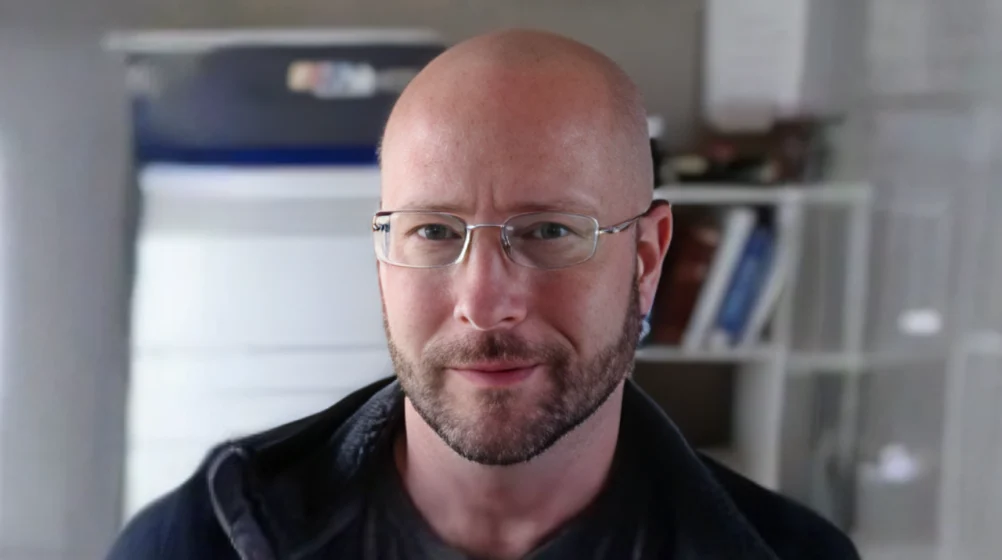
Steve Cleveland: Tumor-Educated Platelets as a Platform for Early Cancer Detection
Steve Cleveland, Program Director and Faculty Lecturer at Saint Paul College-A Community and Technical College, CLIA Laboratory Director at Osceola Medical Center, shared a post on LinkedIn:
“Tumor-Educated Platelets (TEPs) could be a game-changer in early cancer detection, and right now, I’m putting an ‘old’ instrument back to work to help prove it.
We know that tumors ‘educate’ circulating platelets by transferring tumor-specific RNA and biomarkers.
Emerging research shows that TEP profiling can detect multiple cancers at early stages with impressive accuracy, often before traditional imaging detects them.
The bottleneck? Research labs often lack budget for new equipment.
That’s why I’m currently in the process of validating a decommissioned clinical chemistry analyzer in our lab to support TEP research.
By repurposing existing instrumentation, running Six Sigma–style validation protocols, and building reliable RNA extraction and profiling workflows, we’re turning surplus lab assets into active contributors for translational cancer studies.
This approach could let more medical laboratories participate in liquid biopsy research without massive capital investment, simply by reallocating and validating the tools we already have.
Fellow lab leaders and researchers:
Have you ever repurposed decommissioned instruments for research or special projects?
I’d love to hear what’s worked (or what challenges you ran into) in your setting.”
Stay updated with Hemostasis Today.
-
Sep 30, 2026, 10:55Rana Al Hrout: Diagnostic Approach to Hypochromic Microcytic Anemia
-
Sep 30, 2026, 01:52Javed Anees: DADA2 – When a Young Stroke Is More Than a Stroke
-
Sep 30, 2026, 01:51How a Venous Thrombus Becomes Revascularized – ISTH
-
Sep 29, 2026, 22:45Victor Agunyego: Paracetamol – The Most Common Drug We Underestimate
-
Sep 29, 2026, 22:42Nova Sinclair: Advancing the Future of Hematology – Meet Our 2027 Organizing Committee
-
Sep 29, 2026, 22:41Lorenz Räber: Intracoronary Imaging in PCI – Why, When, How, and Which Modality?
-
Sep 29, 2026, 22:31Selma Turkovic: Pleased to Deliver the Opening Presentation at Kingston Hospital
-
Sep 29, 2026, 22:31Miguel Teran: Ultrasound and Simulation in Arterial Blood Sampling
-
Sep 29, 2026, 22:28Mohammad Refaei: Navigating Your Career in Hematology From Training to Practice