

The Rich Heterogeneity of Platelets and Its Vital Shifts Across Disease States – RPTH
Research and Practice in Thrombosis and Haemostasis (RPTH) shared a post on LinkedIn about a recent article by Deepa Gautam, adding:
“Are all platelets the same?
Or are we missing critical biology hiding in plain sight?
We still rely on platelet count and MPV in both research and the clinic.
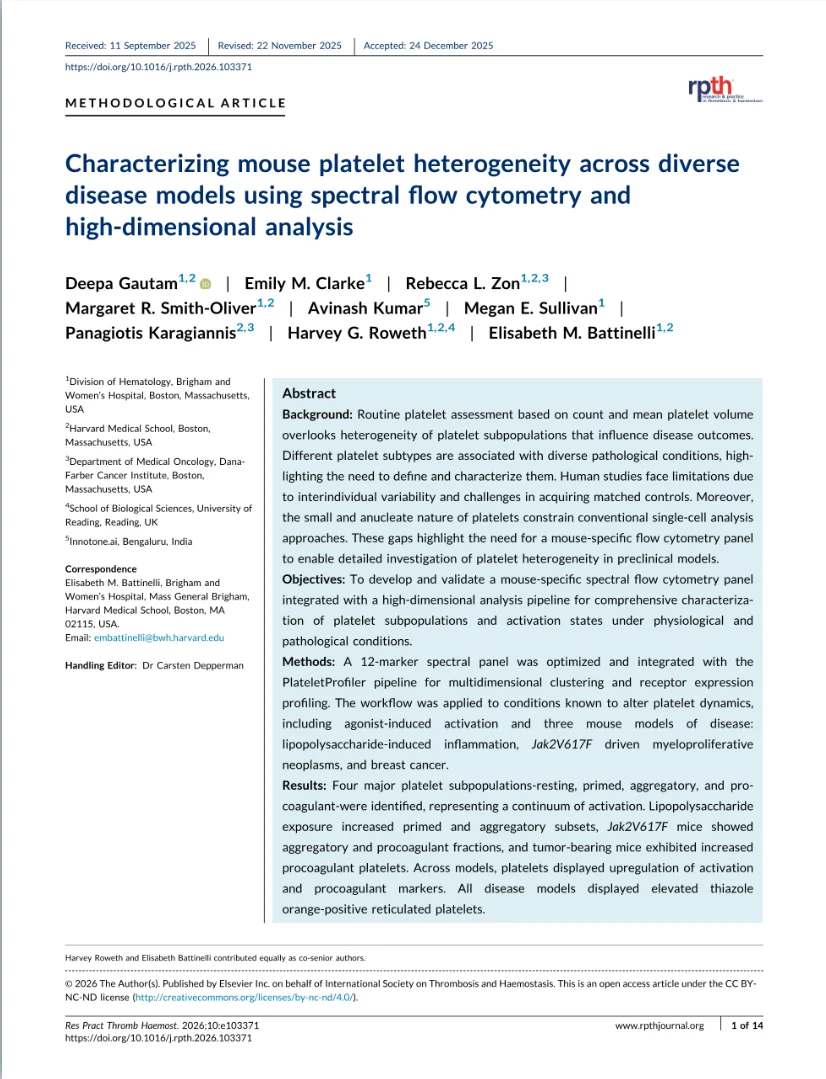
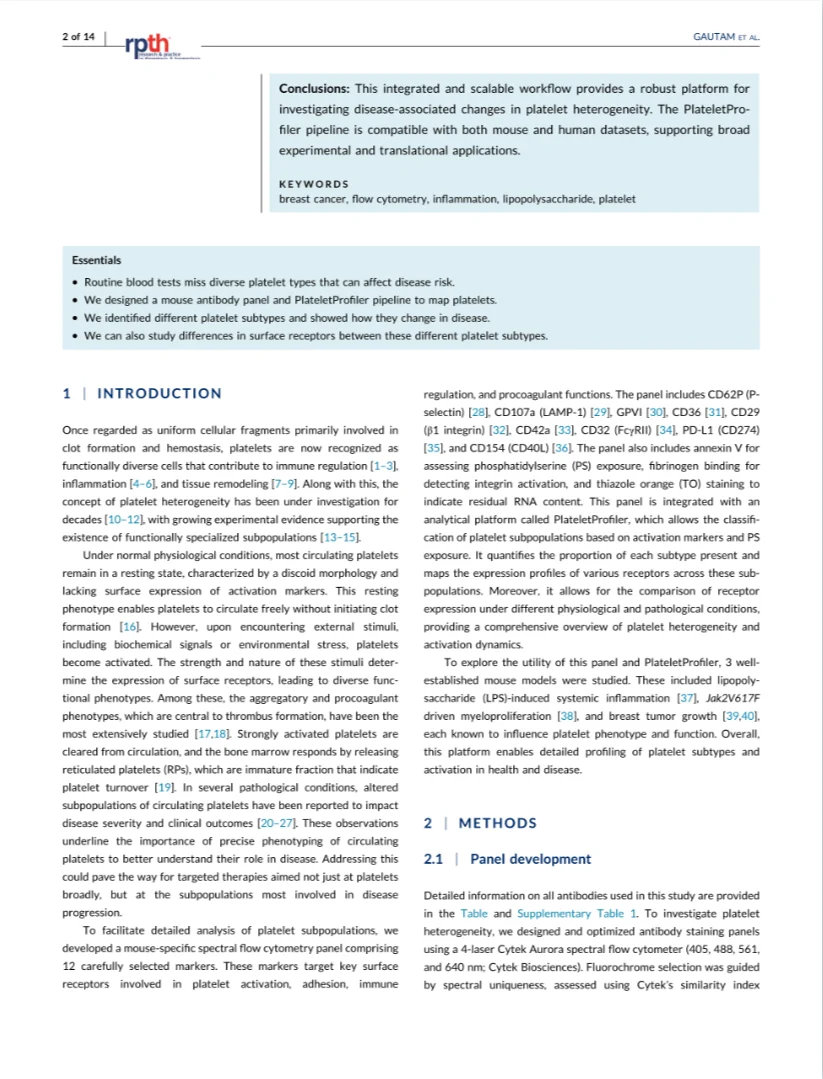
But this study shows that platelets are far from uniform and that heterogeneity systematically shifts across disease states.
Here’s what this paper delivers.
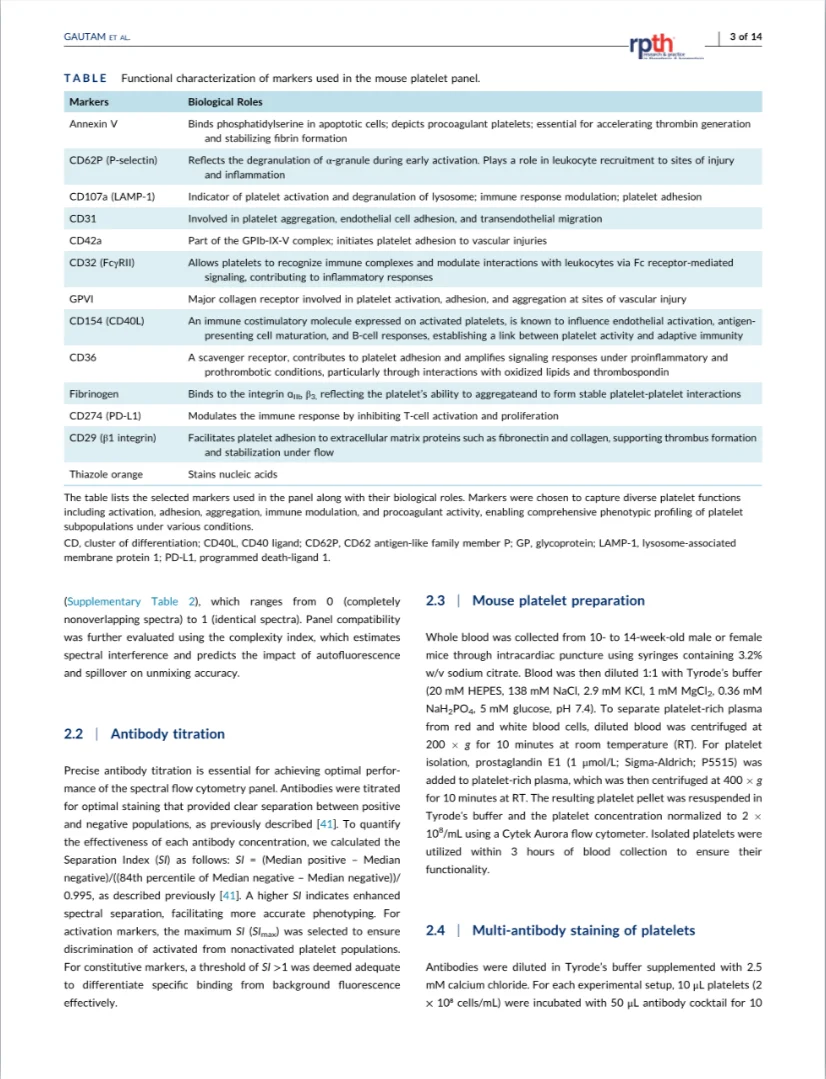
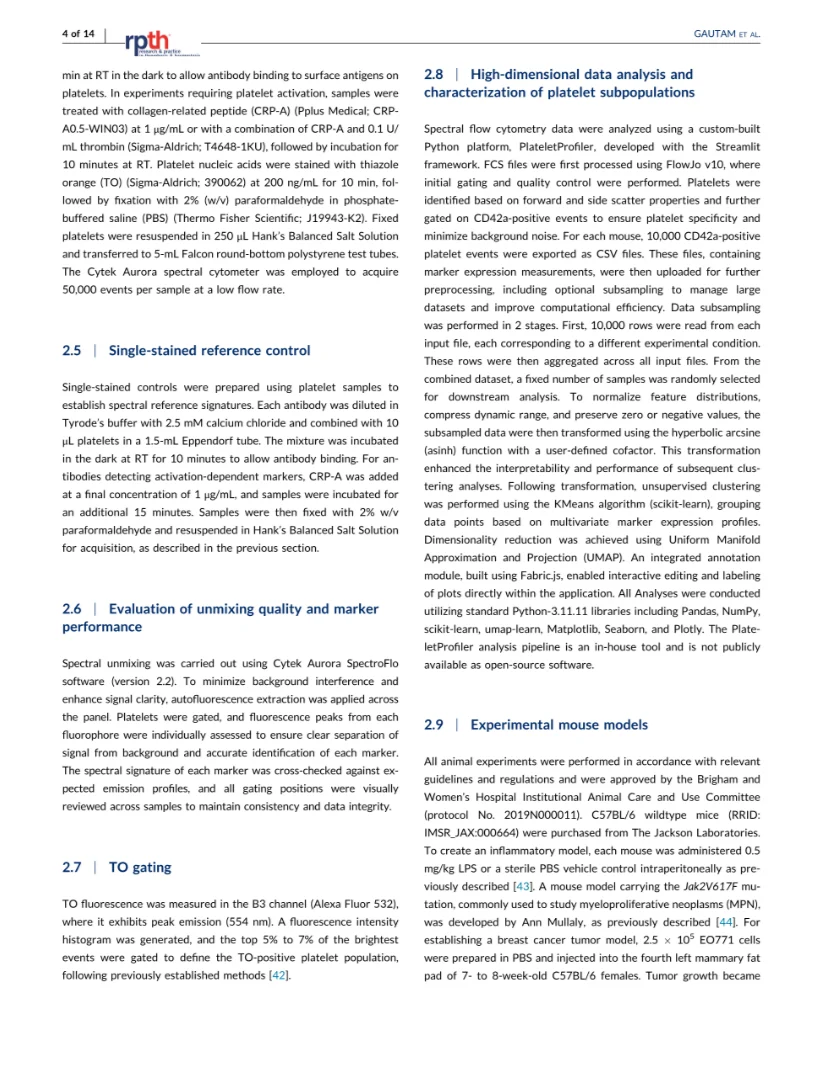
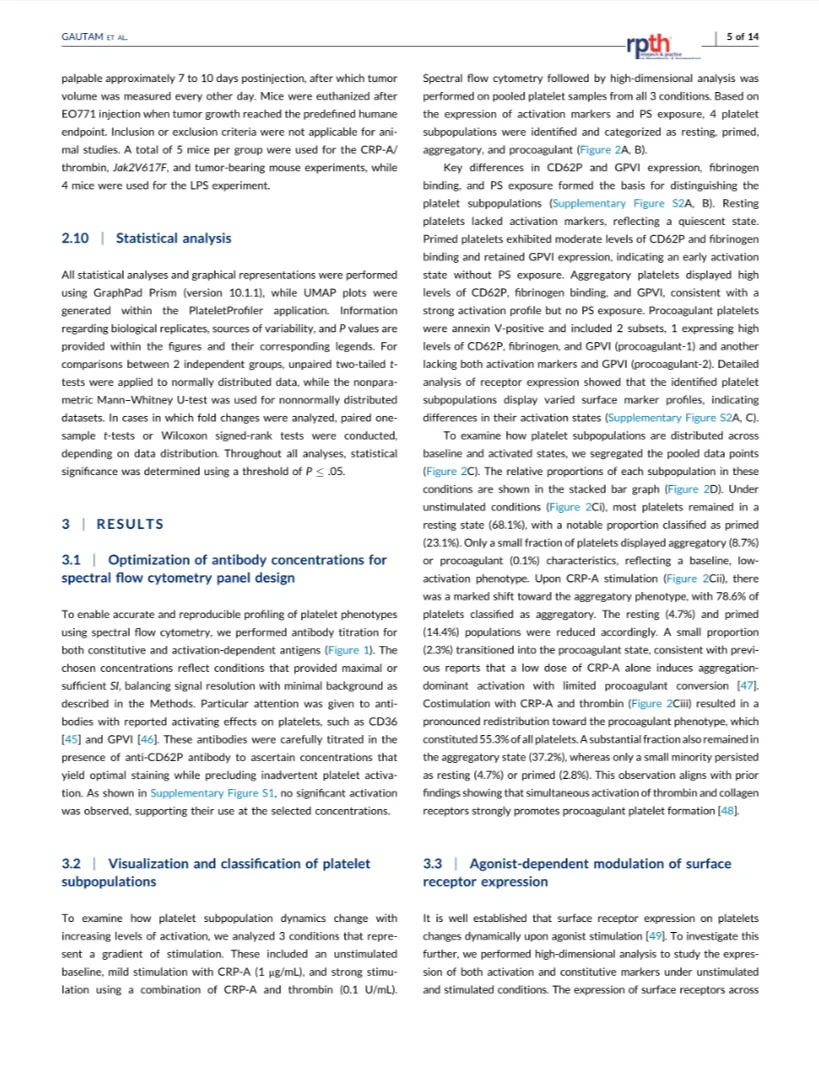
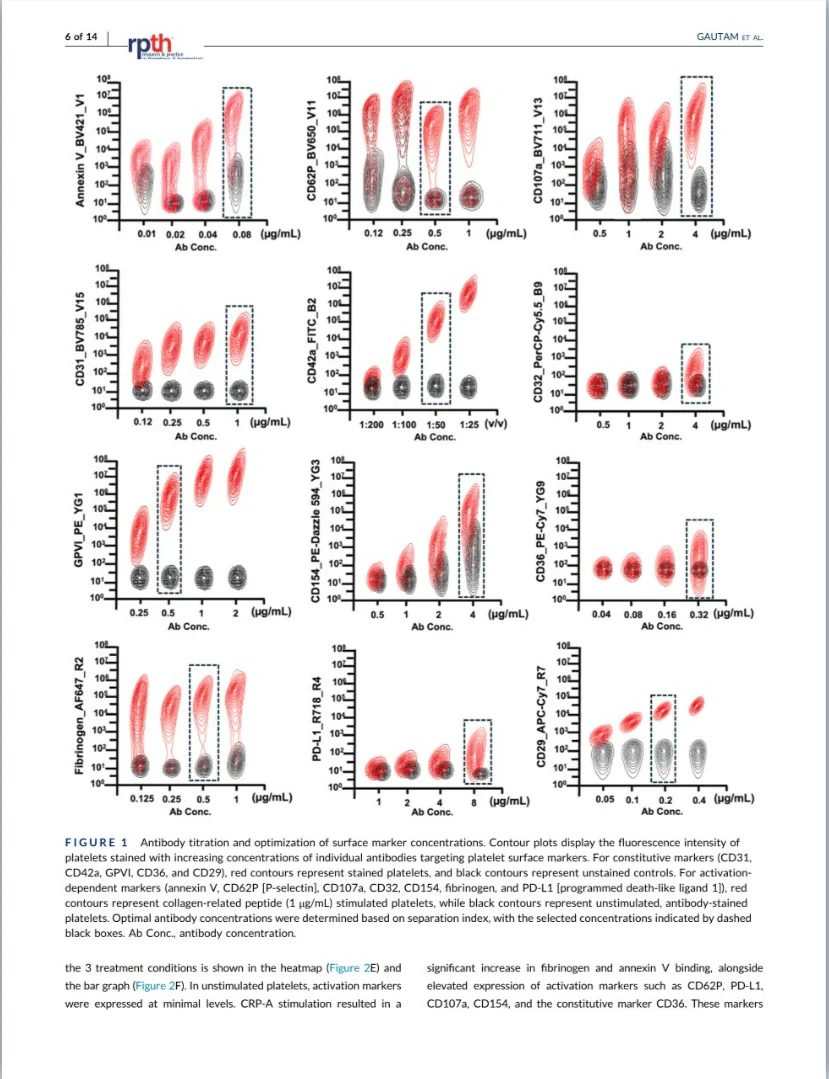
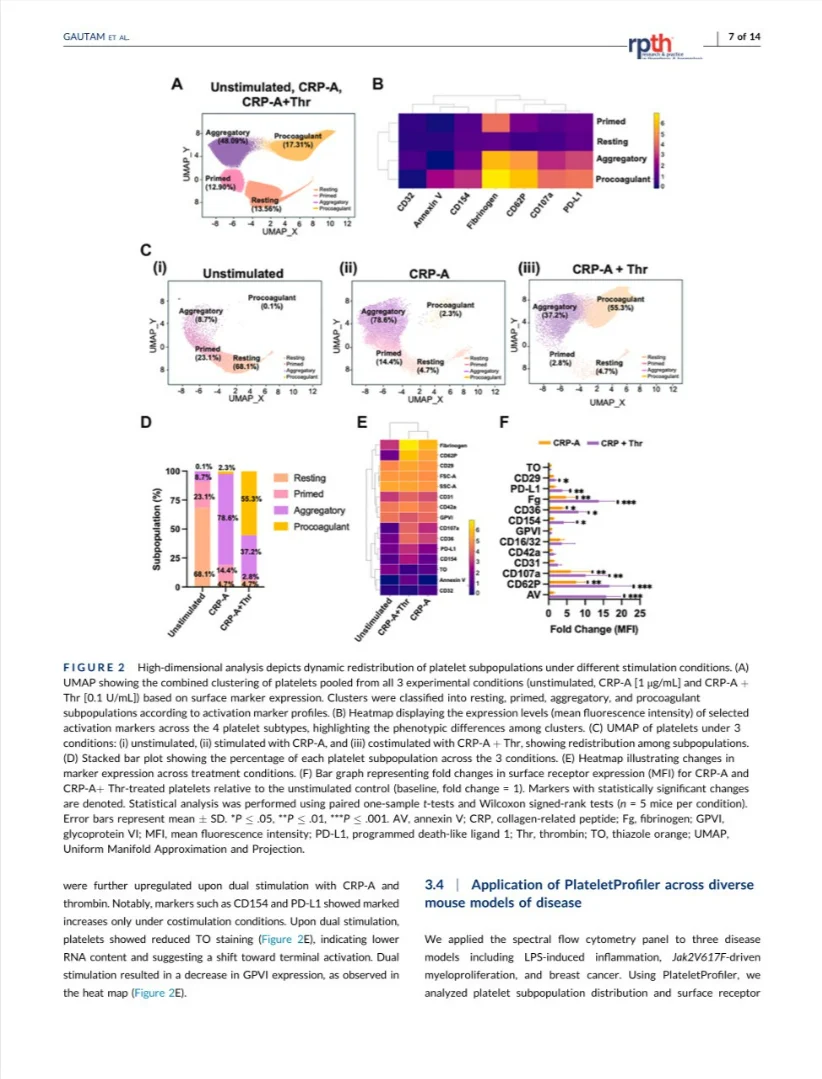
Using a 12-marker spectral flow cytometry panel pus high – dimensional clustering (PlateletProfiler), the authors map platelet states at single – cell resolution.
Platelets exist along an activation continuum, not just ‘resting vs activated’:
- Resting
- Primed
- Aggregatory
- Procoagulant
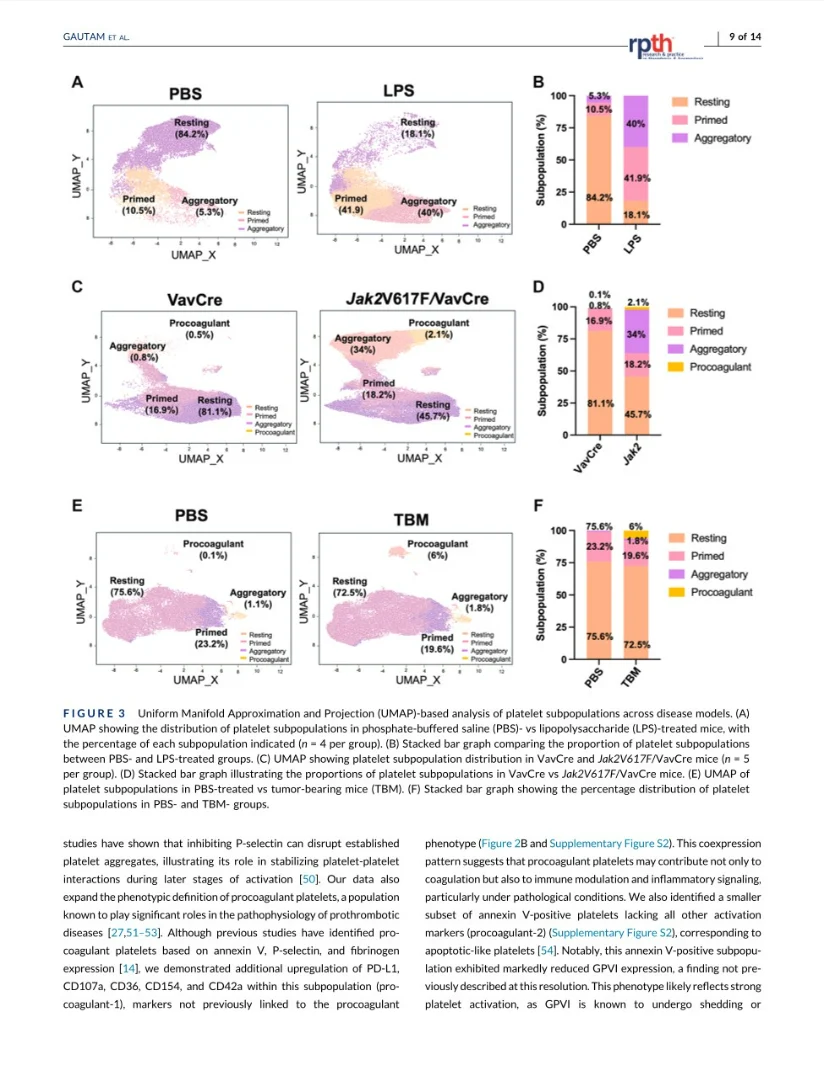
Disease reshapes platelet composition across models:
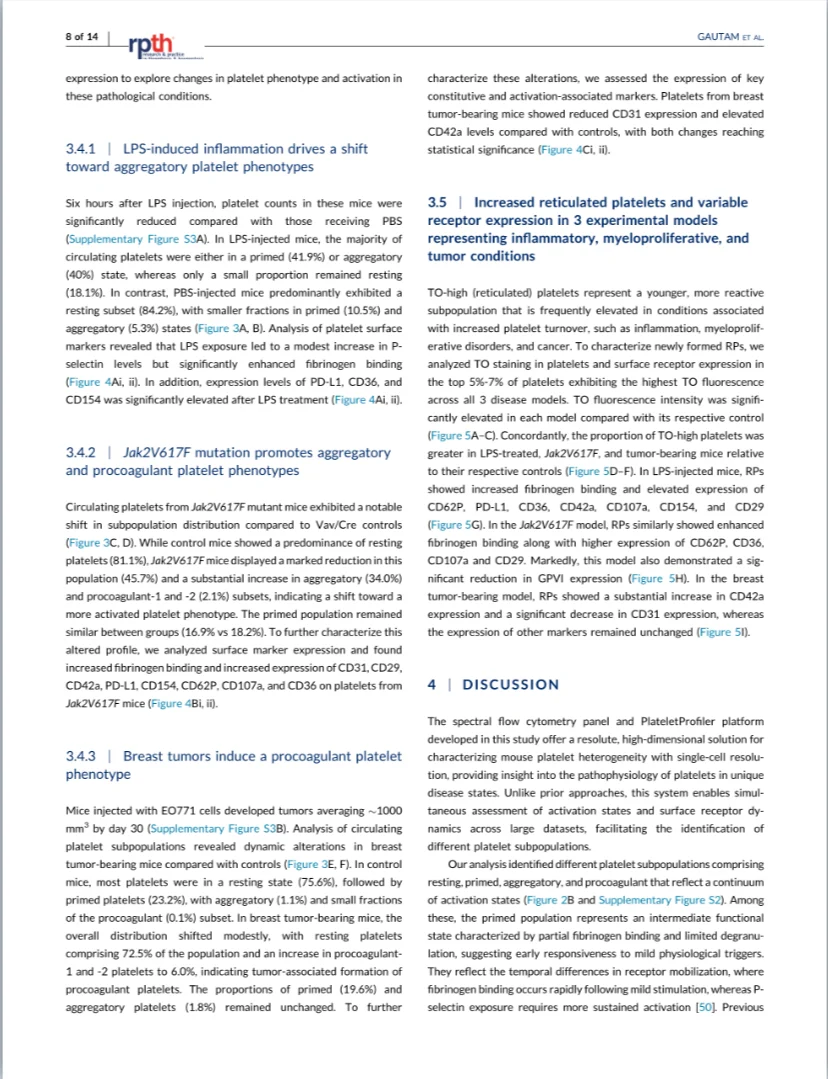
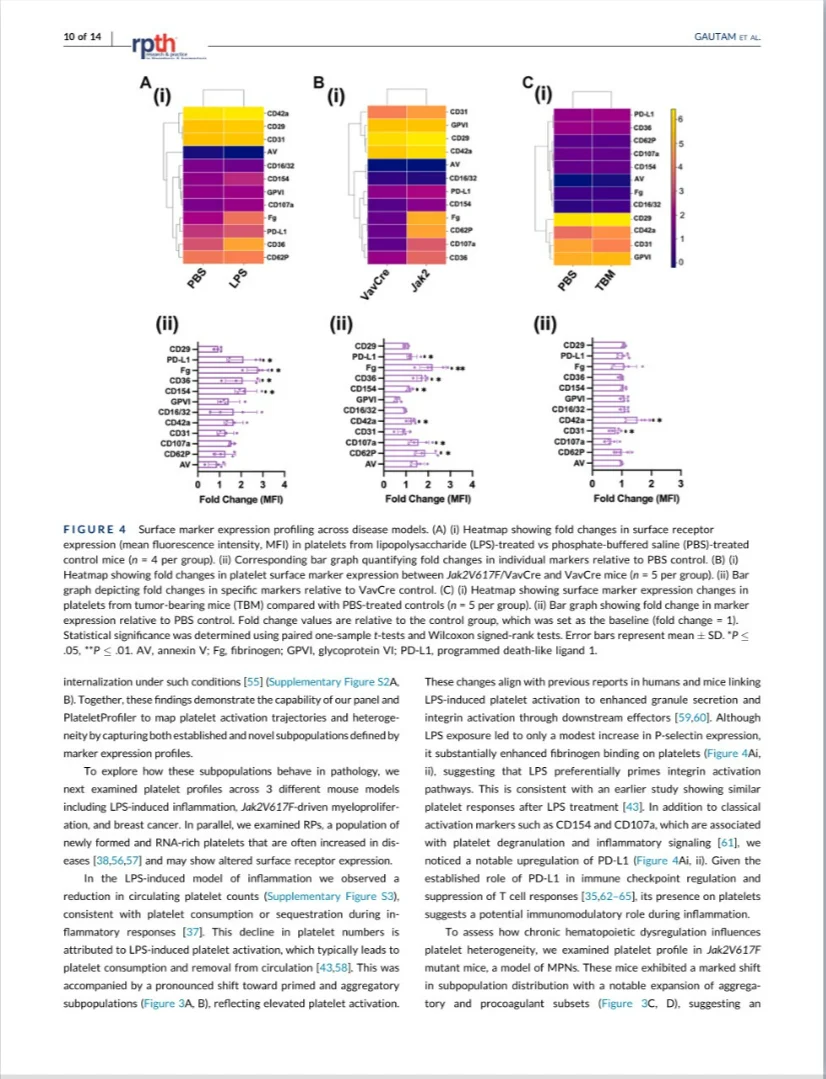
- Inflammation (LPS) – expansion of primed plus aggregatory platelets
- Jak2V617F (MPN) – increase in aggregatory plus procoagulant platelets
- Cancer – enrichment of procoagulant platelets
Key mechanistic signal, all models showed:
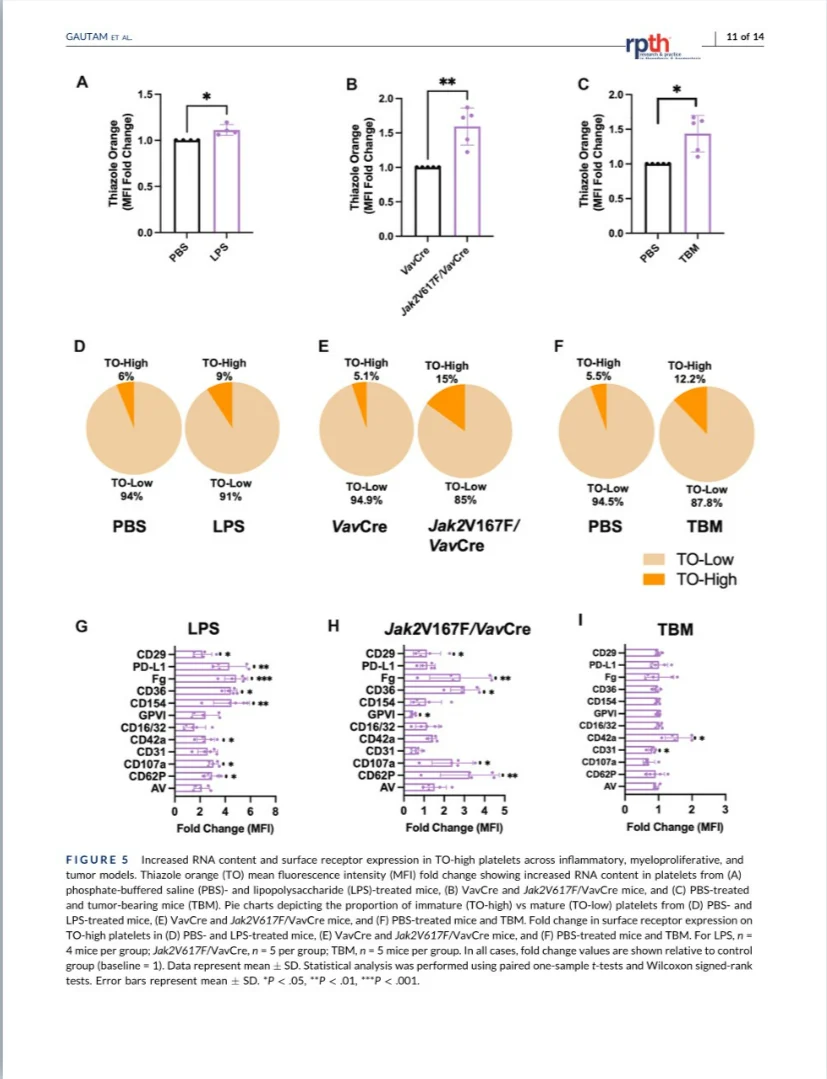
- Increased reticulated (young) platelets
- Upregulation of activation plus immune markers (e.g., PD-L1, CD154)
This suggests:
- Accelerated thrombopoiesis
- Functionally ‘pre-activated’ circulating platelets
- A link between platelet biology and immune modulation
Why this matters
We’ve been treating platelets as a homogeneous population.
This framework opens the door to:
- Subpopulation-specific biomarkers
- More precise antiplatelet strategies
- Better mechanistic links between platelets, inflammation, and cancer”
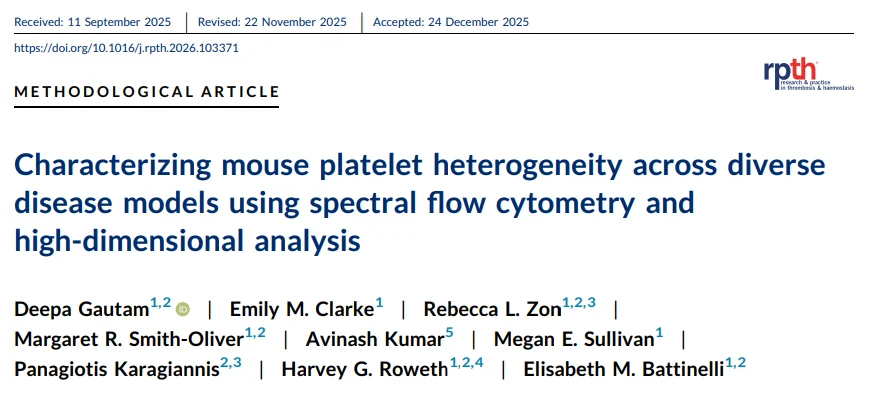
Title: Characterizing mouse platelet heterogeneity across diverse disease models using spectral flow cytometry and high-dimensional analysis
Authors: Deepa Gautam, Emily M. Clarke, Rebecca L. Zon, Margaret R. Smith-Oliver, Avinash Kumar 5, Megan E. Sullivan, Panagiotis Karagiannis, Harvey G. Roweth, Elisabeth Battinelli
Read the Full Article on RPTH
Stay updated on all scientific advances with Hemostasis Today.
-
Sep 22, 2026, 09:18Shamee Shastry: How Transfusion Medicine Research Is Evolving in India
-
Sep 22, 2026, 09:11Tarique Shahzad Chachar: Why Warfarin Remains the Gold Standard for Mechanical Heart Valves
-
Sep 22, 2026, 09:04Bianca Rocca: Thromboinflammatory Injury in Ischemic Limb Necrosis During Severe Shock
-
Sep 22, 2026, 09:01Ash Paul: Comparing Left Atrial Appendage Occlusion and Oral Anticoagulation
-
Sep 22, 2026, 08:50Emily Horner: Lipoprotein(a) Links Oxidized Phospholipids to Platelet Hyperactivity
-
Sep 22, 2026, 08:42Sally Mandour: Bone Marrow Needle Gauge Explained
-
Sep 22, 2026, 08:39Alessandro Sionis: Navigating Anticoagulation in Mechanical Circulatory Support
-
Sep 22, 2026, 08:28Raghavendra Rao: The Latest Research on Varicose Veins
-
Sep 22, 2026, 08:23Aravind Palraj: Three Essential Tests in Antiphospholipid Syndrome