

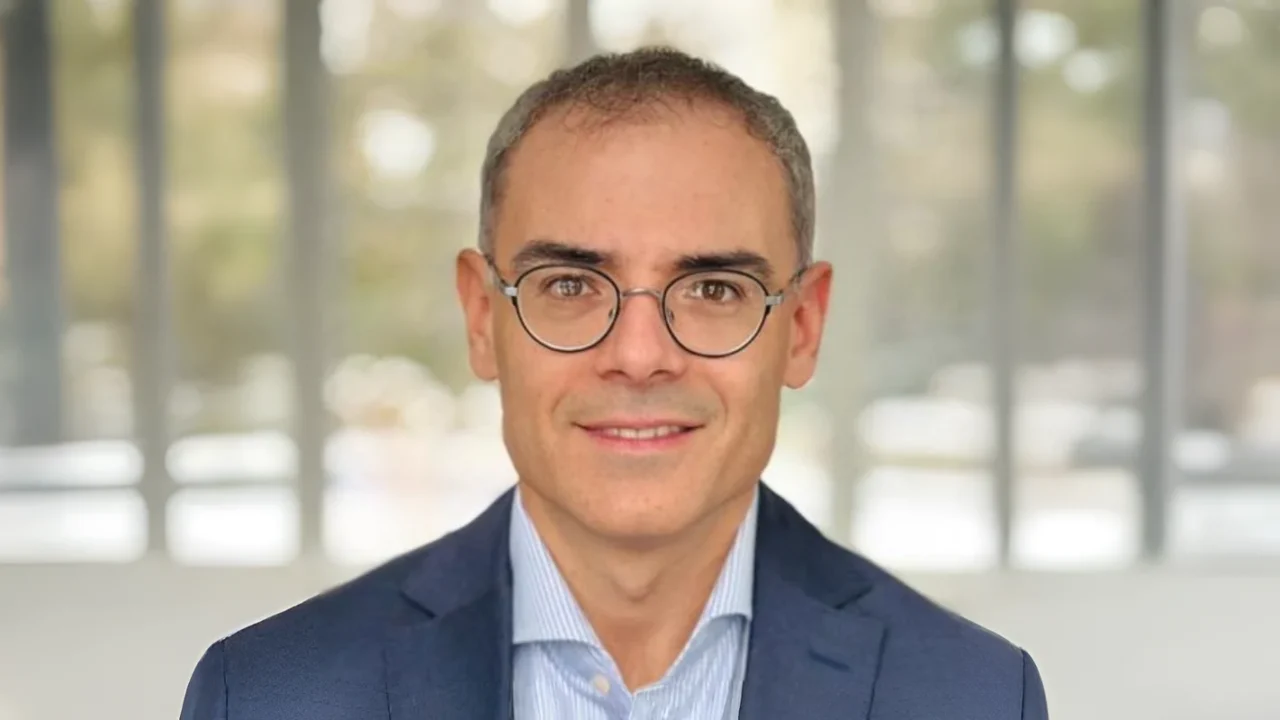
Yaariv Khaykin: Whole-Person Care Can Strengthen Stroke Prevention in Patients With Atrial Fibrillation
Yaariv Khaykin, Associate Professor at University of Toronto, shared on LinkedIn about a recent article by Masamichi Yano et al, published in Journal of Arrhythmia, adding:
”We talk a lot about anticoagulation and ablation for AF stroke prevention — but what about the modifiable lifestyle factors that drive thromboembolic risk in the first place?
A large multicenter study from Japan (over 26,000 AF patients) examined smoking and alcohol consumption as independent predictors of cardioembolic stroke.
The findings reinforce something I think we underemphasize in clinic:
Current smoking was independently associated with stroke across nearly every age group. Daily alcohol intake was associated with stroke in patients 75 and under.
And here’s the nuance — as patients age, their CHA2DS2-VASc scores climb through accumulating comorbidities, while smoking and drinking prevalence actually decline. So in younger AF patients, lifestyle factors may represent a proportionally larger share of modifiable risk.
What does this mean practically?
When I see a 55-year-old with new AF, a CHA2DS2-VASc of 2, who smokes and drinks daily — the conversation isn’t just ‘should we anticoagulate?’ It’s also ‘what can we change about the inputs driving your risk higher every year?’
We tend to treat the score as fixed. But smoking cessation, alcohol reduction, weight management, and exercise aren’t just general wellness advice — they’re stroke prevention strategies in AF patients.
They’re complementary to whatever procedural or pharmacologic intervention we choose, whether that’s anticoagulation, ablation, or appendage closure.
The whole-person approach isn’t a luxury add-on.
For many of our patients, it’s where the biggest gains are hiding.”
Title: Lifestyle Factors and Thromboembolic Risk in Atrial Fibrillation: Age-Dependent Effects of Smoking and Alcohol Consumption
Authors: Masamichi Yano, Yasuyuki Egami, Mikako Kise, Taichi Mukai, Noriyuki Kobayashi, Ayako Sugino, Masaru Abe, Hiroaki Nohara, Shodai Kawanami, Koji Yasumoto, Naotaka Okamoto, Yasuharu Matsunaga-Lee, Masami Nishino
Stay updated on all scientific advances with Hemostasis Today.
-
Oct 16, 2026, 15:18Carmine Liberatore: Limited Accuracy of VTE Risk Scores in Multiple Myeloma
-
Oct 16, 2026, 14:55Alex Borstein and the Bleeding Phenotype of Hemophilia A Carriers
-
Oct 16, 2026, 13:59Aya Akmal Amin: Antiphospholipid Syndrome Management and Risk Stratification
-
Oct 16, 2026, 13:10Emanuel Sueldo: CAHT 2026 Celebrates Scientific Progress and Team Achievements
-
Oct 16, 2026, 13:05Maha Othman: Queen’s Health Sciences Advances CAT Risk Models and Pediatric ISTH-BAT Cut-Offs
-
Oct 16, 2026, 13:03Thrombosis Awareness Must Lead to Timely Action – Roche
-
Oct 16, 2026, 12:49Wolfgang Miesbach: 5-Year CBDR Data Confirms Emicizumab Safety and Efficacy in Hemophilia A
-
Oct 16, 2026, 12:40Edward Lee Carter: How Factor XI Inhibition Could Transform Anticoagulation Therapy
-
Oct 16, 2026, 12:40Marc Carrier: Looking Ahead to ISTH 2027 in Vancouver