


10 Posts Not to Miss This Week
This week’s highlights explore significant developments across hematology, hemostasis and thrombosis, featuring novel insights into platelet innate immune signaling and its role in regulating infection-associated thrombosis, emerging evidence on Factor XIa inhibition for secondary stroke prevention, and clinical outcomes of intravenous iron therapy in heart failure and thrombolysis in stroke mimics.
Further highlights examine transfusion strategies in leukemia, vascular inflammation and atherogenesis, and the perioperative management of myeloproliferative neoplasms, alongside important developments in the recognition and management of women and girls with bleeding disorders, rare bleeding disorders, and advances in clinical and translational hematology research.
Explore this week’s discussions, research updates, and expert perspectives across hematology, thrombosis, and hemostasis, highlighting important scientific findings, clinical evidence and developments shaping contemporary research and clinical practice.
Milka Koupenova, Assistant Professor at University of Massachusetts Medical School:
“Excited to share our latest publication in Blood:
‘The Pathogen Recognition Receptor RIG-I is Functional in Platelets and Limits Thrombotic Responses‘ work by my first PhD student Anthony Sciaudone:
Heartfelt thank you to all of our co-authors, the reviewers, and the editor!
Our major findings:
- Platelets have functional cytoplasmic RIG-I receptors and downstream signaling.
- RIG-I activates a non-classical pathway in platelets: RIG-I signals through MAVS to promote MLKL phosphorylation, oligomerization, and membrane punctures, without uniform α- or δ-granule release or canonical interferon signaling.
- RIG-I promotes S100A10 surface translocation and release: RIG-I activation promotes S100A10 surface localization and release, but not
- S100A8/A9; S100A10 is a S100 that promotes an S100 family protein that facilitates plasmin generation from plasminogen in the presence of uPA or tPA.
- RIG-I activation changes the thrombus architecture: Thrombi formed by RIG-I-activated platelets contain otherwise unchanged platelets with membrane punctures.
- RIG-I activation reduces platelet aggregation in the presence of plasminogen and facilitates uPA-dependent disaggregation.
- In vivo, at the time points when RIG-I expression is highest following infection, disruption of RIG-I/MAVS signaling increases thrombotic burden during mild influenza infection and alters the temporal pattern of leukocyte presence in lung tissue.
Importantly, many viruses encode mechanisms that inhibit RIG-I activation and signaling.- Our conclusion:
Platelets do more than promote thrombosis during infection. Through RIG-I/MAVS signaling, they sense viral RNA and engage non-classical activation mechanisms that limit thrombotic responses and contribute to the regulation of leukocyte transmigration.”
Manideepa Maji, NIHR Academic Clinical Fellow- Hematology at Hull York Medical School:
“Intravenous iron in heart failure: fewer hospitalisations, but what about infection risk?
Our systematic review and meta-analysis is now published in BMJ Open Heart.
Across 18 independent trial cohorts, we found:
22 percent lower rate of heart failure hospitalisations.
No clear increase in infection or serious infection, although evidence certainty was low.
The infection findings are reassuring, but we need more consistent safety reporting.Thank you to all my co-authors!”
Mohamed Hesham Gamal, Medical Writer at Ray CRO:
“I am delighted to share that our systematic review and meta-analysis, ‘Safety and clinical outcomes of intravenous thrombolysis in stroke mimics compared with acute ischemic stroke: A systematic review and meta-analysis,’ has been published in the Journal of Thrombosis and Thrombolysis (Springer Nature, 2026; Q2, Impact Factor 2.1), where I had the honor of serving as the corresponding author.
Because door-to-needle times keep getting shorter, some patients with stroke mimics receive thrombolysis before the final diagnosis is confirmed.
We pooled 28 studies with about 285,000 patients. Compared with patients with acute ischemic stroke, patients with stroke mimics had much lower rates of symptomatic and any intracranial hemorrhage, lower in-hospital and 3-month mortality, better functional independence, more discharges home, and shorter hospital stays.
The reduction in hemorrhage was greatest in patients with milder deficits (NIHSS ≤ 7).
The key message: diagnostic uncertainty should not delay or withhold thrombolysis in otherwise eligible patients.
I am truly grateful to all my co-authors and colleagues for their valuable contributions, collaboration, and dedication throughout this work.
I hope this work supports confident, timely decision-making in hyperacute stroke care.”
Yazan Abou-Ismail, Associate Professor of Hematology at the University of Utah:
“An exciting breakthrough in thrombosis prevention!
Factor 11a inhibitors are finally here!
We now have the first ever FDA approved Factor 11a inhibitor.
The FDA just approved asundexian for secondary prevention of non Afib stroke.
Factor 11a inhibition is a brand new mechanism of anticoagulation and major milestone in the coagulation world.
In the phase III Oceanic Stroke trial, asundexian reduced the relative risk of ischemic stroke by 26 percent when added to antiplatelet therapy, without a statistically significant increase in overall major bleeding.”
Masanori Aikawa, Professor of Medicine at Harvard Medical School, Chief Editor at Frontiers in Cardiovascular Medicine:
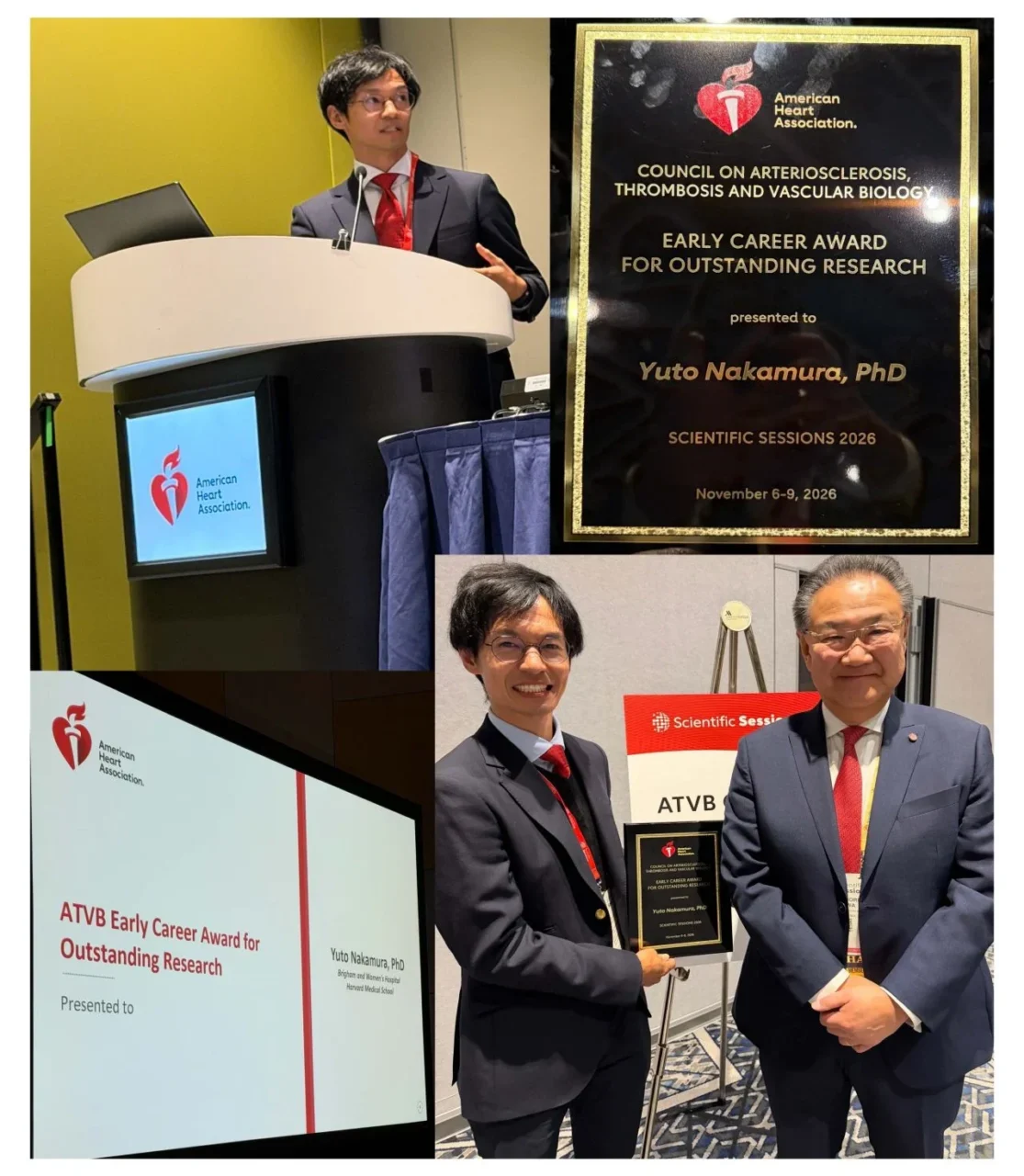
“My superstar postdoc Yuto Nakamura received the Early Career Award for Outstanding Research at the American Heart Association Scientific Sessions 2026 for his groundbreaking work on the role of NEK7 in macrophage inflammasome activation and atherogenesis.
His innovative study earned the highest score!
Congratulations, Yuto! Thank you for your tremendous dedication and hard work! So proud of you.”
Imo Akpan, Associate Professor of Medicine of the Division of Hematology and Oncology at Columbia University Irving Medical Center:
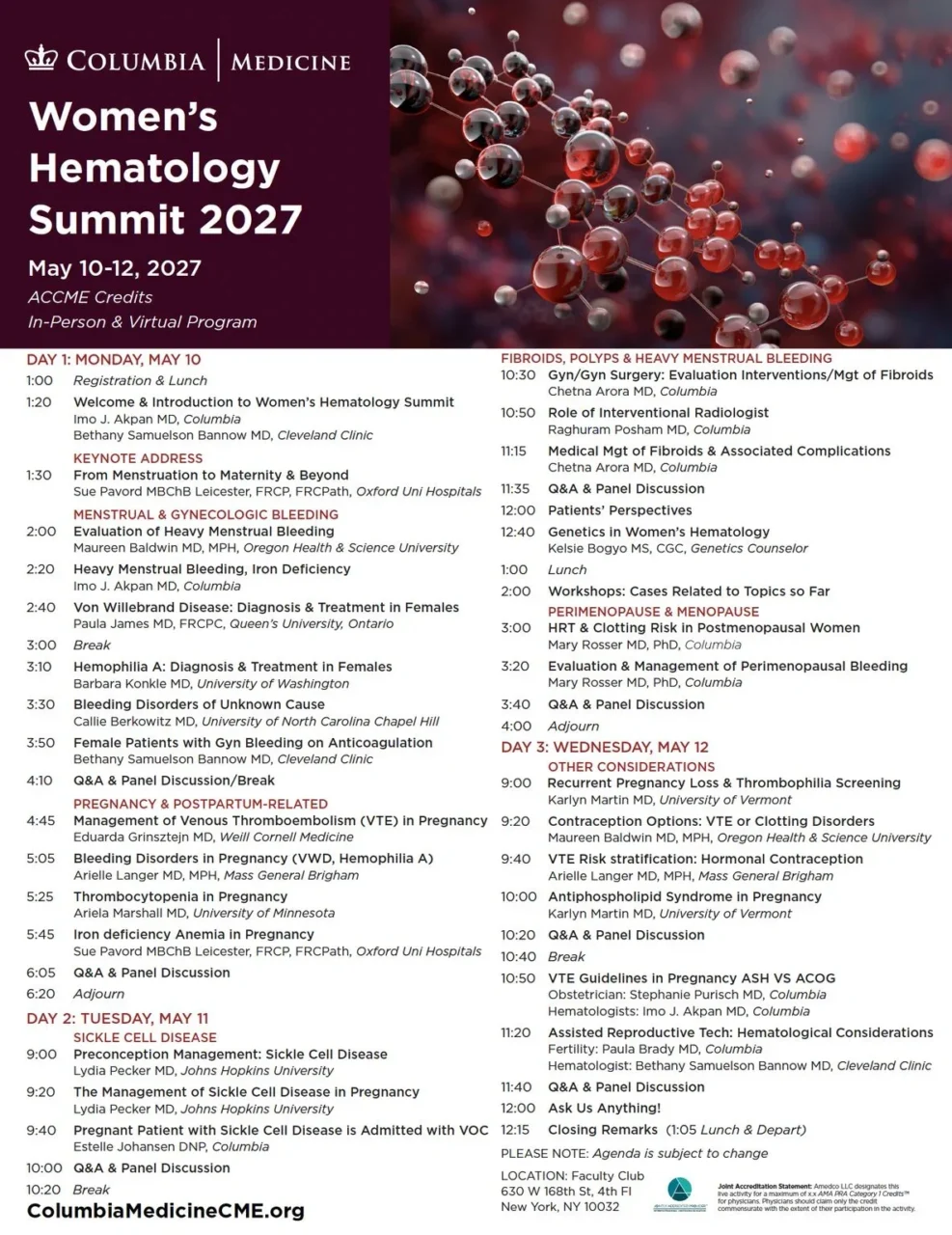
“Women’s Hematology
Join hematologists, OB/GYNs, and other specialists for three days on women’s hematology, May 10-12, 2027.
An incredible educational and networking experience. In-person and virtual. So excited to serve as co director with Dr. Bethany Samuelson Bannow.
We have an amazing line up of speakers including our keynote speaker, the immediate past president of the British Society for Haematology, Dr. Sue Pavord.
Yildiz Yigit, Faculty Member at the University of Health Sciences:
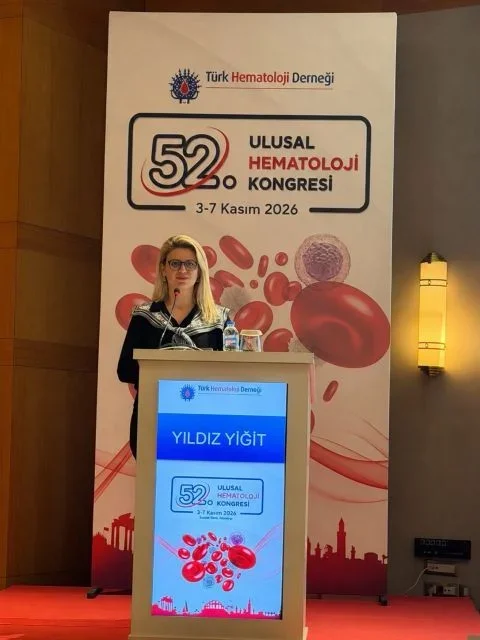
“Pleased to present a case on perioperative management of polycythemia vera at the MPN Subcommittee Session of the 52nd National Hematology Congress.”
Dimpy Modi, Medical Affairs Lead of Critical Care and Hematology at Octapharma:
“Our protocol for a pilot randomized controlled trial of liberal versus restrictive red cell transfusion in leukemia is now published online in Pilot and Feasibility Studies!
Most transfusion trials try to evaluate how low hemoglobin can safely go. In leukemia, there’s another question that hasn’t had much attention.
Patients are often anemic and thrombocytopenic at the same time, and RBCs play a role in helping move platelets along the vessel wall. So if we transfuse RBCs more conservatively, could that affect bleeding outcomes in patients who are already low on platelets?
This trial design was the core of my PhD thesis work, and I’m excited to share it.
Thank you to everyone on the study team!”
Shayan Mohammadmoradi, Vascular Biology and Platelet Function Scientist at University of Kentucky, CEO at Moradi Enterprise:
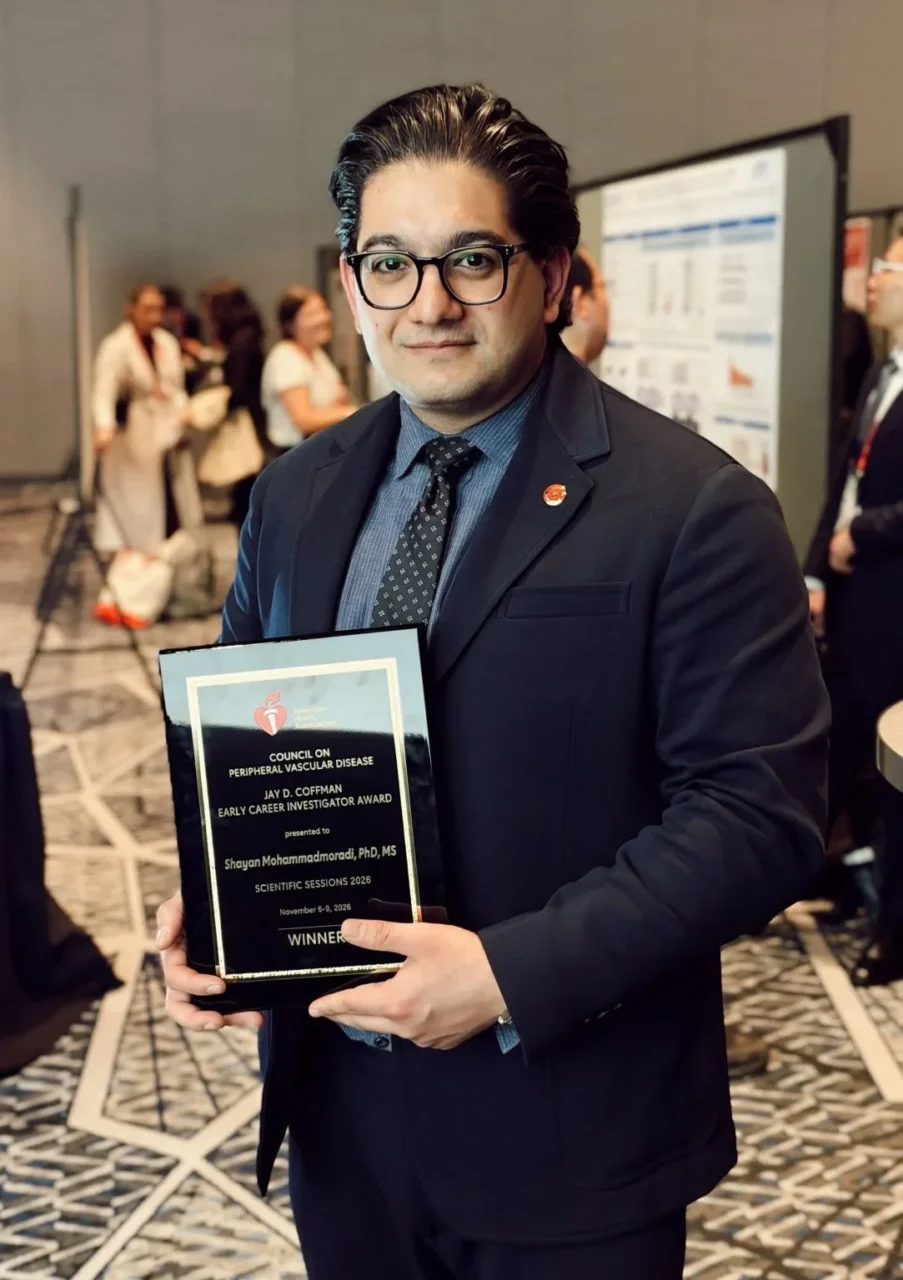
“I’m humbled to receive the Jay D. Coffman Early Career Investigator Award from the American Heart Association Council on Peripheral Vascular Disease at Scientific Sessions 26.
Awards like this have one name on the plaque, but the work never does.
Thank you to the Whiteheart Lab, my mentors, collaborators, and everyone who gave their time, mice, and patience to this project. I also want to recognize the other finalists, whose work made this session a pleasure to be part of.
I’m grateful to the council for the opportunity.”
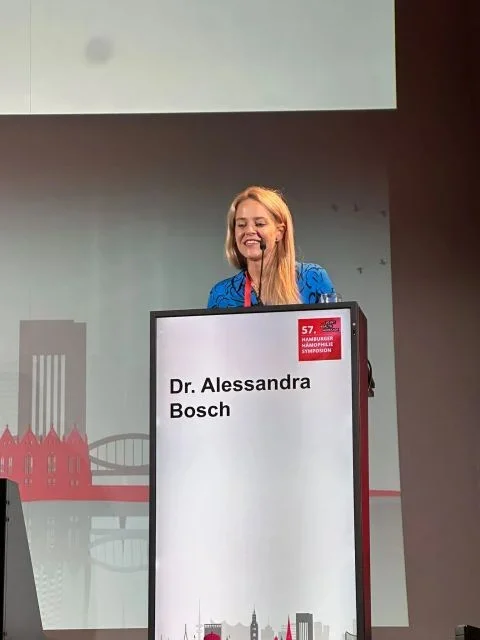
Alessandra Bosch, Clinician Scientist at University of Zurich:
“The 57th Hamburg Haemophilia Symposion was an inspiring event!
Maria Elisa Mancuso‘s talk on women and girls with Bleeding Disorders was definitely a highlight. This is a topic that is finally receiving the attention it deserves.
The session on the DACH Registries highlighted VWD and Rare Bleeding Disorders. Seeing the Austrian, German and Swiss registries side by side showed how much we can learn from each other on data quality, on capturing VWD and Rare Bleeding Disorders and on turning registry data into better care.
Many thanks to Prof. Ingrid Pabinger and Dr. Martin Olivieri for the excellent exchange.
And of course to Robert Klamroth and Christoph Königs for the invitation and Takeda in Deutschland for hosting this fantastic meeting HHS 2026!”
Stay updated with Hemostasis Today.
-
Nov 14, 2026, 12:37Nathan Connell: Annualized Bleeding Rate and the Future of Hemophilia A Treatment
-
Nov 14, 2026, 11:28Kalyan Roy: A New Era in Thalassemia Treatment – FDA Approves Mitapivat
-
Nov 14, 2026, 11:24Can Iron Deficiency Really be Seen in Someone’s Face? – ASH
-
Nov 14, 2026, 11:19Lindsay Davison: Putting Childhood Anemia in the Spotlight with IronUp and Danone
-
Nov 14, 2026, 10:00Benjamin Tur: Putting Iron Deficiency Anemia on the Global Agenda at the Paris Peace Forum’s Child Summit
-
Nov 14, 2026, 09:48Jack Shuang Hou: FDA Approves Bayer’s Sunharbo – First Factor XIa Inhibitor for Secondary Stroke Prevention
-
Nov 14, 2026, 09:42Samwel Mikaye: What Every Patient Should Know About DVT Symptoms and Treatment
-
Nov 14, 2026, 09:37Chronic Preoperative Corticosteroid Use and Postoperative Venous Thromboembolism Risk – Thrombosis and Haemostasis Journal
-
Nov 14, 2026, 09:30Ney Carter Borges: Vulnerable Plaque – Imaging and Clinical Significance