

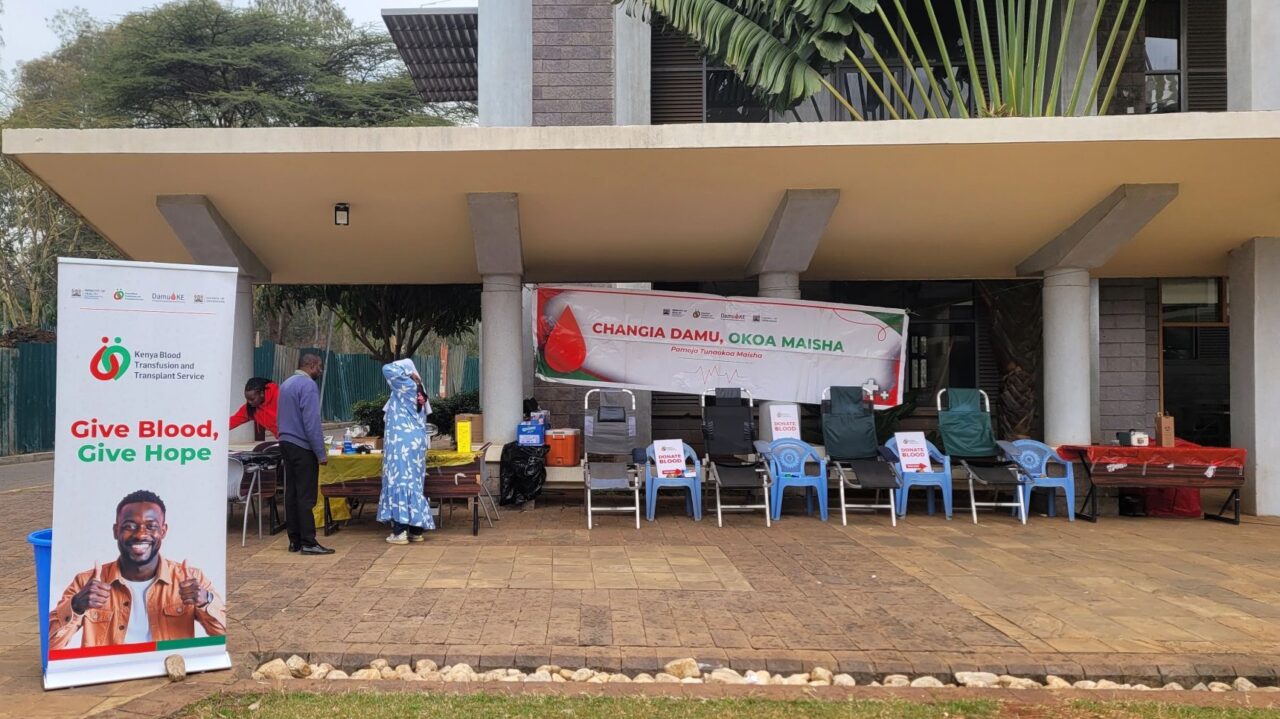
Denis Brutus Oduor: Call for Altruism in Blood Donation in Nairobi
Denis Brutus Oduor, Nairobi County Blood Services Coordinator, share on LinkedIn:
”Call for Altruism in Blood Donations in Nairobi
Building a Culture of Voluntary Blood Donation
As a community committed to promoting voluntary, non-remunerated blood donation, we must recognize a vital truth: the availability of safe blood is a shared responsibility.
We at the Nairobi County Blood Services are dedicated to mobilizing communities, raising awareness, and making blood donation an accessible, regular, and lifesaving act.
We align our efforts with the global campaign’s core objectives by taking the following actions:
1. Education and Advocacy
We will intensify awareness campaigns in schools, colleges, workplaces, and community centers—disseminating accurate information, debunking myths, and encouraging regular blood donation as a civic duty.
2. Partnerships with Healthcare Providers
Strengthening collaboration with hospitals and blood banks ensures safe, efficient, and demand-responsive donation processes for both donors and recipients.
3. Leveraging Technology
By adopting user-friendly digital platforms, we can match potential donors with real-time blood needs, making the donation process more convenient and timely.
4. Strengthening the Donor Network
A robust network of voluntary donors directly contributes to a resilient healthcare system. With such a network, safe blood becomes readily available—realizing the goal of “Accessible Healthcare for All.”
5. Youth Engagement and Leadership
The sustainability of voluntary blood donation lies in youth advocacy.
Empowering young people to lead health initiatives fosters a culture of altruism, builds leadership capacity, and embeds a lifelong commitment to community service.
Through continued education, community engagement, and strategic advocacy, we aim to make the right to health not just an aspiration, but a lived reality—especially for vulnerable patients requiring critical care.
Who Benefits from Donated Blood?
According to the World Health Organization (WHO) and regional data, the primary beneficiaries in Kenya and across Africa include:
1.Women with Pregnancy-Related Complications.
Postpartum hemorrhage is a major cause of maternal mortality, and blood transfusion is often the only life-saving intervention available.
2.Children Under 5
Up to 54% of transfusions in low-income settings go to children, primarily to treat severe anemia linked to malaria or nutritional deficiencies.
3.Patients with Hematological Disorders
Individuals with sickle cell disease, thalassemia, and related conditions rely on regular transfusions for survival and quality of life.
4.Trauma and Surgical Patients
From road accidents to major surgeries, transfusions are essential for replacing lost blood and stabilizing patients.
Let us come together this month of september—and beyond—to build a future where safe blood is always available, for everyone in need.
Article by:
Denis Oduor
County Blood Transfusion Coordinator – Nairobi”
Stay informed on the important in the field of blood donation with Hemostasis Today.
-
Oct 8, 2026, 12:53Hellen Ishikawa-Ankerhold: PhD and Postdoctoral Positions in Advanced Microscopy and Immunothrombosis at LMU Munich
-
Oct 8, 2026, 12:45Pedro Perez: World Thrombosis Day 2026 – Raising Awareness of Women’s VTE Risk
-
Oct 8, 2026, 12:20Berrin Gunaydin: Functional Biomarkers of Iron Deficiency in Pregnancy
-
Oct 8, 2026, 11:45Wolfgang Miesbach: Milvexian After Acute Coronary Syndrome – What LIBREXIA ACS Found
-
Oct 8, 2026, 11:36John Erbey: Kidney Disfunction as a Cause of Anemia
-
Oct 8, 2026, 11:31Navneet Mishra: Sitosterolemia as an Under-Recognised Cause of Cytopenias
-
Oct 8, 2026, 11:06Houman Khosravani: Stroke and Thrombosis – Bridging Neurology and Hemostasis
-
Oct 8, 2026, 04:28Jeff Molter: Electrophysiological PIEZO1 Analysis Advances Diagnosis in Hereditary Xerocytosis
-
Oct 8, 2026, 04:23Barbara Adams Krolak: Women and Blood Clots Are We Missing the Warning Signs