


Sukanto Paul/LinkedIn
Nov 15, 2026, 16:21
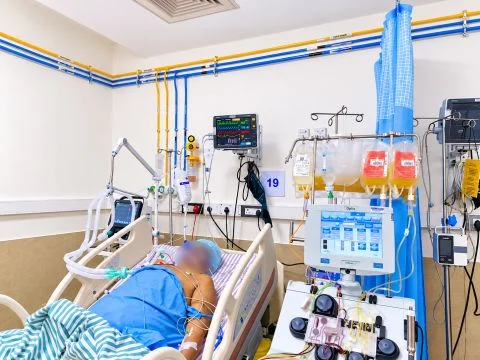
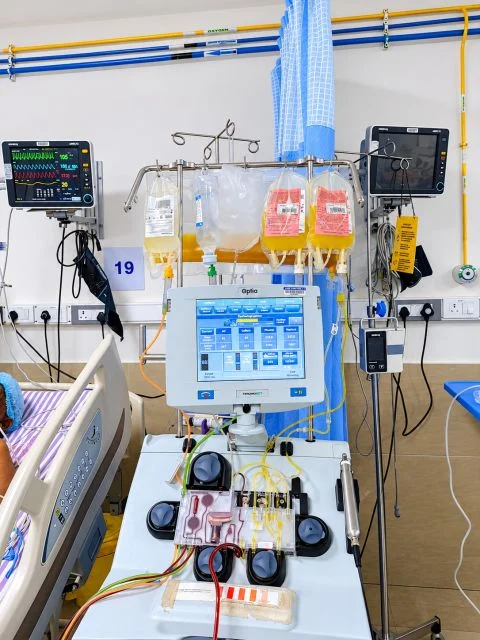
Sukanto Paul: Why Platelet Transfusion Is Generally Avoided in TTP
Sukanto Paul, Technical Supervisor at Narayana Health, shared a post on LinkedIn:
”TTP is not simply a condition of low platelet count; it is a condition of uncontrolled platelet consumption and microvascular thrombosis.
Let’s understand the mechanism from a transfusion-medicine perspective.
- Why does TTP cause thrombocytopenia?In TTP, there is a severe deficiency of ADAMTS13, an enzyme responsible for cleaving ultra-large von Willebrand factor (UL-vWF) multimers.
Normally:
Endothelial cells release large vWF multimers.
ADAMTS13 cleaves these multimers into smaller, less adhesive forms.
This regulates platelet adhesion and aggregation.
In TTP:
ADAMTS13 activity is severely reduced, usually below 10 percent.
Ultra-large vWF multimers accumulate in circulation.
These multimers bind platelets excessively.
Platelets aggregate and form microthrombi in small blood vessels.
Platelets are consumed, resulting in severe thrombocytopenia. - Why is platelet transfusion avoided?
If we transfuse additional platelets:
We introduce more circulating platelets.
These platelets can bind to the accumulated ultra-large vWF multimers.
This may promote further platelet aggregation.
Microvascular thrombus formation may worsen.
This can potentially aggravate organ ischemia, particularly in the brain, heart and kidneys.
Important: This is the theoretical concern supported by case reports of deterioration and thrombosis following platelet transfusion. However, a direct causal relationship has not been definitively established.
There is another important reason: transfused platelets are likely to be consumed rapidly in the ongoing microthrombotic process, so the platelet count increment may be short-lived and clinically unhelpful. - When can platelet transfusion be given in TTP?
Platelet transfusion may be considered when there is:
Life-threatening or serious active bleeding.
Intracranial haemorrhage.
Major gastrointestinal bleeding.
An invasive procedure with a substantial bleeding risk, after individual assessment.”
Stay updated with Hemostasis Today.
-
Nov 15, 2026, 16:14Ahmad G. Alzahrani: Major Bleeding and Anticoagulant Reversal
-
Nov 15, 2026, 16:05Sabine Eichinger: Is Recurrence Risk After Provoked VTE Really Low?
-
Nov 15, 2026, 15:53Nicolas Schommer: The Seed and Soil Hypothesis of NET-Mediated Inflammation
-
Nov 15, 2026, 15:36Giovanni Merlino: Targeting LDL-C to Prevent Recurrent Stroke
-
Nov 15, 2026, 15:33Riitta Lassila: From Helsinki to ISTH 2027 Advancing Thrombosis Research
-
Nov 15, 2026, 15:30Andreas Calatzis: Can Protein C and Plasma Overcome Fibrinolysis Resistance in Sepsis?
-
Nov 15, 2026, 15:25Hussnain Javaid: Thalassaemia 2026 New Therapies Transforming UK Practice
-
Nov 15, 2026, 15:03Francesco Antonio Veneziano: Rethinking Coronary Artery Disease Through Precision Cardiology
-
Nov 15, 2026, 14:37Denise Rezende: 100 Years of von Willebrand Disease and Advances in Diagnosis