

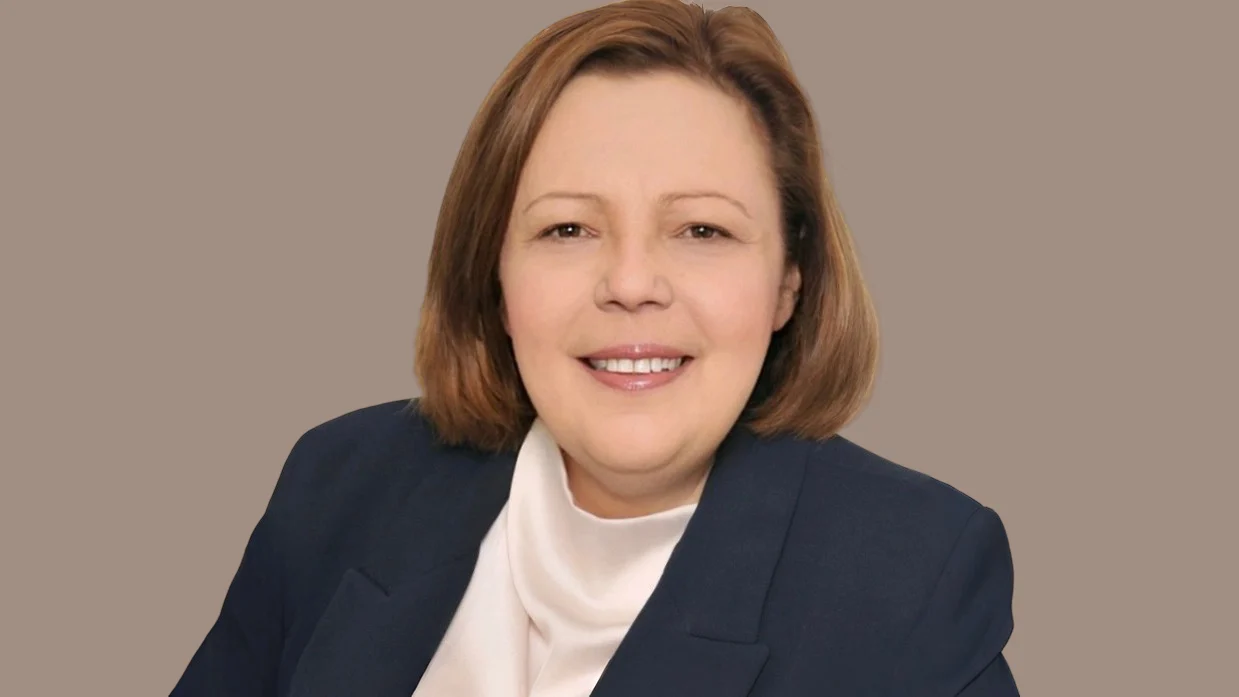
Sophia Delicou: Ensuring Lifelong Health Beyond Stem Cell Transplantation
Sophia Delicou, Head of Thalassemia and Sickle Cell Unit, Head of the Expertise Center of Hemoglobin Diseases and Their Complications at Hippokrateio General Hospital, shared a post on LinkedIn:
”From Chronic Disease to Cure: Transplantation Is a New Beginning, Not the End of Care.
Behind every successful transplant lies a remarkable journey ,years of treatment, uncertainty, resilience, and hope for a different future.
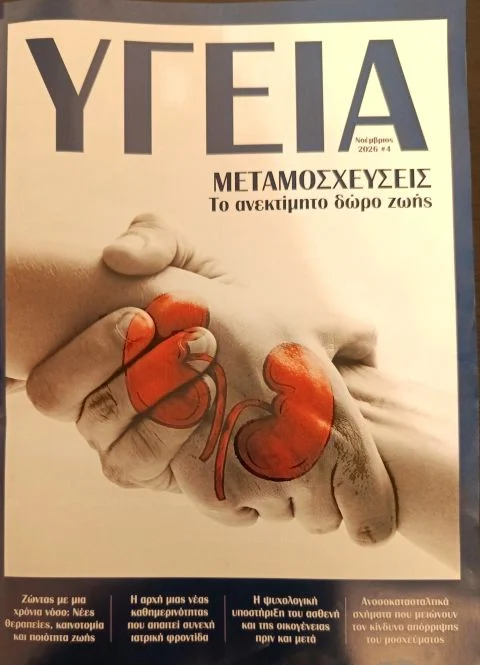
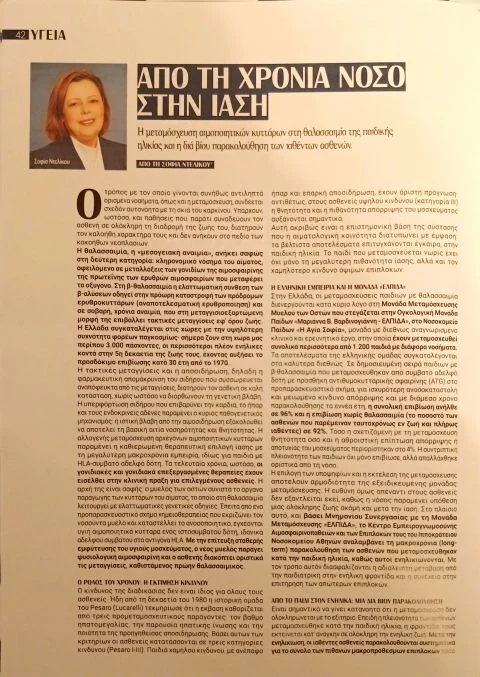
I was pleased to contribute to a special feature on transplantation published in the November 2026 health supplement of the Greek newspaper Dimokratia (Δημοκρατία), highlighting an important aspect of care for patients with thalassemia: the journey from chronic disease to cure, and the importance of lifelong follow-up.
Hematopoietic stem cell transplantation (HSCT) has transformed the therapeutic landscape of thalassemia, offering selected patients the possibility of a definitive cure and freedom from lifelong transfusions and disease-related treatments.
These advances reflect decades of scientific progress, continuous improvements in transplantation procedures, and the dedication of multidisciplinary teams. In Greece, the contribution of the ‘ELPIDA’ Bone Marrow Transplantation Unit at ‘Agia Sophia’ Children’s
Hospital has been particularly important.
Yet, a successful transplant does not necessarily mean the end of medical care.
Children who undergo transplantation grow into adults.
Although cured of their underlying hematological disease, they may continue to face long-term complications related to previous iron overload, pre-existing organ damage, or transplantation itself.
Cardiac and liver health, endocrine function, bone health, fertility, and other late effects require structured, individualized, and often lifelong monitoring.
This is where the role of the Expert Centre for Hemoglobinopathies and Their Complications at Hippokration General Hospital of Athens becomes particularly important.
Through multidisciplinary expertise, coordinated transition from pediatric to adult healthcare, and comprehensive long-term follow-up, the Centre helps ensure continuity of care for patients who underwent transplantation during childhood.
Collaboration between transplantation units and specialized Expert Centres is essential to bridge the gap between achieving a cure and maintaining long-term health and well-being.
But beyond clinical outcomes and scientific achievements lies the human dimension.
Children who once organized their lives around blood transfusions and hospital visits can now pursue education, careers, relationships, and dreams that may once have seemed out of reach.
Our responsibility is to ensure that the promise of cure is accompanied by the support they need to live those lives as fully and healthily as possible.
Because curing the disease is a remarkable achievement. Ensuring a healthy and fulfilling life after cure is an equally important commitment.
My sincere thanks to journalist pl Despoina Karagiannopoulou for the kind invitation to contribute to this special publication and for the opportunity to highlight an often overlooked, yet essential dimension of transplantation care.”
Other posts feauturing Sophia Delicou on Hemostatis Today.
-
Nov 16, 2026, 12:26Samwel Mikaye: Understanding Warfarin and Its Clinical Management
-
Nov 16, 2026, 12:06Edward Lee Carter: Has PEPPER Changed the Role of Aspirin in Arthroplasty VTE Prophylaxis?
-
Nov 16, 2026, 11:53Eduardo Ortiz Bello: The Endothelium in Hemostasis and Microcirculation
-
Nov 16, 2026, 11:51Phil Spinella: Advancing Transfusion Medicine Through Collaboration
-
Nov 16, 2026, 11:46Madiha Chowdhury: Behind the Scenes of Blood Transfusion Services
-
Nov 16, 2026, 11:43Nasir Al Allawi: Honouring Excellence in Haematopathology
-
Nov 16, 2026, 11:39Osman El-Maarri: Delete Two Genes from a Cell Line and It Secretes Twice as much Factor VIII
-
Nov 16, 2026, 11:37Chaza Alaji: Unexplained Bruising-Beyond Platelet Counts and Coagulation Tests
-
Nov 16, 2026, 11:33Obed Asumadu: How Can Advanced Laboratory Diagnostics Improve the Detection and Management of Haemophilia?