

Photo: <a href="https://depositphotos.com" target="_blank">Depositphotos</a>
Sep 23, 2025, 06:44
Therapeutic Plasma Exchange in Guillain-Barré Syndrome: ASFA 2023 Guidelines
Dr. Sumyea Kabir, Assistant Professor of Transfusion Medicine at BSMMU, shared a post on LinkedIn:
“Therapeutic Plasma Exchange (TPE) in Guillain-Barré Syndrome (GBS) – ASFA 2023 Snapshot
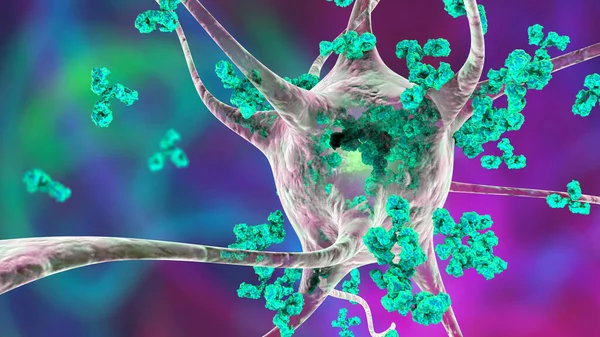
GBS is an Acute immune attack on peripheral nerves. ASFA 2023 places TPE as Category I, first-line therapy, equivalent to IVIG (but not combined).
Why it Works:
- TPE clears auto-antibodies and complement, helping nerves recover faster.
Protocol:
- ~1–1.5 plasma volumes per session
- 4–6 exchanges over 7–14 days
- Best started within the first week of symptoms.
Frontline Insight:
- I assisted in 7 GBS cases in My Residency Time at Bangladesh Medical University where, remarkably, after the first TPE session some patients regained limb movement and could sit upright. Early action truly saves function.
Monitor for Hypotension, Citrate-related Hypocalcemia, Bleeding risk, and central-line infection.
Reference: ASFA 9th Edition, 2023․”
Find more posts on Hemostasis Today.
-
Sep 30, 2026, 01:52Javed Anees: DADA2 – When a Young Stroke Is More Than a Stroke
-
Sep 30, 2026, 01:51How a Venous Thrombus Becomes Revascularized – ISTH
-
Sep 29, 2026, 22:45Victor Agunyego: Paracetamol – The Most Common Drug We Underestimate
-
Sep 29, 2026, 22:42Nova Sinclair: Advancing the Future of Hematology – Meet Our 2027 Organizing Committee
-
Sep 29, 2026, 22:41Lorenz Räber: Intracoronary Imaging in PCI – Why, When, How, and Which Modality?
-
Sep 29, 2026, 22:31Selma Turkovic: Pleased to Deliver the Opening Presentation at Kingston Hospital
-
Sep 29, 2026, 22:31Miguel Teran: Ultrasound and Simulation in Arterial Blood Sampling
-
Sep 29, 2026, 22:28Mohammad Refaei: Navigating Your Career in Hematology From Training to Practice
-
Sep 29, 2026, 22:27Matteo Foschi: 10 Clinical Pearls for Antithrombotic Therapy in Secondary Stroke Prevention