


When Winter Fakes Your CBC Results: Cold Agglutinins Explained by Asmaa Adel
Asmaa Adel, Medical Laboratory Specialist in the United Arab Emirates, posted on LinkedIn:
”Cold Agglutinins Phenomenon
As we enter the winter season, keep in mind that Cold Agglutinins can cause falsely low platelet counts – and they can also affect all CBC parameters, giving inaccurate results.
What are Cold Agglutinins?
Cold agglutinins are autoantibodies produced in some autoimmune diseases that attack red blood cells (RBCs), leading to their hemolysis.
This reaction happens only at low temperatures, which is why it’s called a cold antibody reaction.
In contrast, warm antibodies react at normal body temperature.
These reactions can occur inside the body or even after sample collection if the blood is exposed to cold conditions.
Question 1: What is the effect of Cold Agglutinins on CBC values?
- Falsely low RBC count
- Falsely low Platelet count
- False changes in WBC count
- Falsely high MCV and MCH values
Question 2: What should you do if you encounter such a sample?
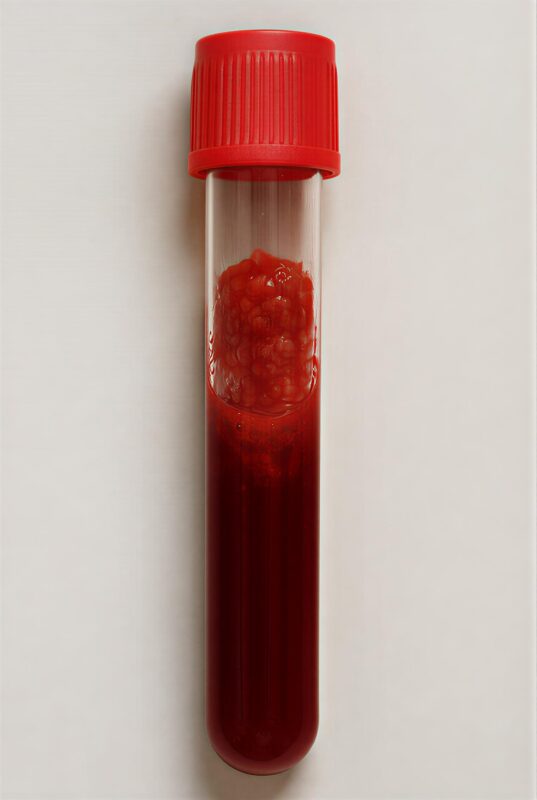
1. A sample with cold agglutinins is usually easy to recognize – RBCs appear clumped or aggregated along the wall of the tube (similar to a positive ABO agglutination reaction).
– Never run such a sample directly on the analyzer.
2. Before collection, warm all collection materials to 37°C, and keep the sample incubated at 37°C while processing to avoid cold agglutination and ensure accurate results.”
Stay informed with Hemostasis Today.
-
Oct 9, 2026, 12:24Mercy Lung’aho: When Diet Quality and Nutritional Biomarkers Tell Different Stories
-
Oct 9, 2026, 12:22Eugene Fan: Bridging Therapeutic Breakthroughs and Equitable Thalassaemia Care
-
Oct 9, 2026, 12:14Brittany Busse: A New Focus on Iron Deficiency Before Anemia
-
Oct 9, 2026, 12:13Akshat Jain: A New Textbook Bringing Global Perspectives on Sickle Cell Disease
-
Oct 9, 2026, 12:03Heather Case: Bridging Awareness and Action in Women’s Hemophilia Care
-
Oct 9, 2026, 11:58Brandon Luu: Can Iron Deficiency Cause Fatigue Without Anemia?
-
Oct 9, 2026, 11:51Sumaiya Dickens: Marginal Zone B Cells in Transfusion Medicine and Hemophilia A Research
-
Oct 9, 2026, 11:44Ayyappan V Nair: PRP and Rehabilitation – Can It Help Athletes with Partial Rotator Cuff Tears?
-
Oct 9, 2026, 11:29Jigesha Dholakia: Supporting the Hemophilia Community Through the Unite Walk