


Maxime Dely – The French Transfusion landscape is Evolving
Maxime Dely, Sales and Application Specialist in Therapeutic Apheresis and Cell Therapy, shared a post on LinkedIn:
”The French transfusion landscape is evolving
As hospital needs change and health sovereignty becomes a national priority, the 2024 Annual Report of the French Blood Establishment (EFS) highlights a major transformation in the country’s transfusion system.
Red blood cell use continues to decline
The number of red blood cell (RBC) units issued keeps decreasing:
- 2,081,938 units delivered in 2024
- -3.4 % compared to 2023
This trend reflects:
• More efficient use of transfusion indications
• Improved patient blood management
• Optimization of clinical practices
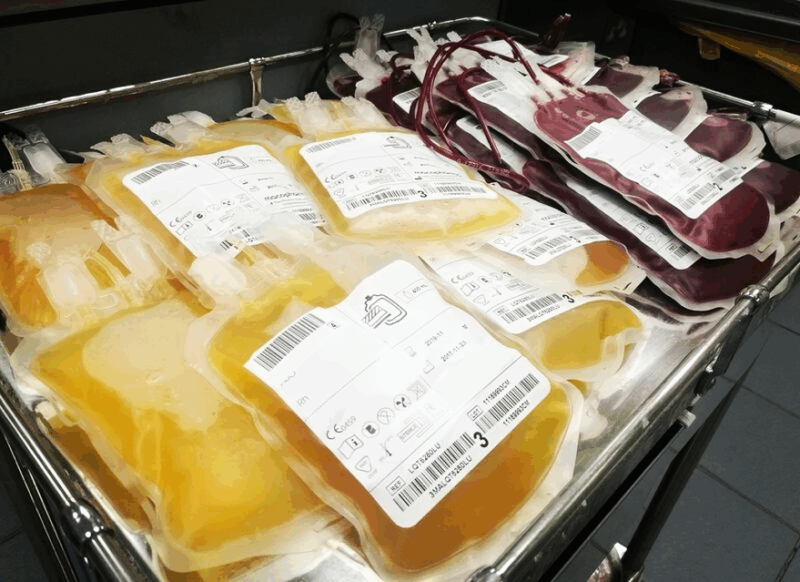
Plasma takes center stage
Conversely, plasma collection is growing rapidly:
- 867,127 liters of plasma for fractionation delivered in 2024 (+4.8%)
- +1.4 % plasma donors in one year
This growth supports the national strategy “Ambition Plasma”, with an ambitious goal:
1.4 million liters of plasma collected per year by 2028
To reach this target, EFS is:
• Progressively shifting from whole blood to plasma donations,
• Opening new donation centers and time slots,
• Expanding remote medical supervision (tele-assistance) to facilitate apheresis donations.
A strong and encouraging donor engagement
In 2024:
- 1,506,534 donors – including 17 % new donors
- 29 % under 30 years old – a promising new generation of donors
- A strong sense of commitment that secures the future of blood and plasma supply
The generational renewal is a key success factor for sustaining the transfusion system in the years to come.
A structural shift
2024 confirms a deep transformation:
- Fewer red blood cell transfusions
- More plasma collected, better utilized, and more strategic than ever
A crucial evolution to meet therapeutic needs, strengthen the national supply of plasma-derived medicines, and support France’s health sovereignty.
What’s next?
How can we accelerate this transition while maintaining donor loyalty and the right balance between all blood components?
I’d love to hear your insights, experiences, and perspectives.”
Stay updated with Hemostasis Today.
-
Oct 10, 2026, 02:38Brianne D.: Sex Differences in RIPK1 Signaling Following Intracerebral Hemorrhage
-
Oct 10, 2026, 02:17Dino Mehic: Managing Heavy Menstrual Bleeding in Patients with BDUC
-
Oct 10, 2026, 00:34Raphaëlle Dodart: Discussing the Mechanisms of Menstrual Hemostasis
-
Oct 10, 2026, 00:26Barbara Adams Krolak: Discussing the Growing Need for Blood Clot Prevention in Asia
-
Oct 9, 2026, 23:59Ana Pedrero Gil: Is Coagulopathy with Fibrinolysis Present in All Obstetric Hemorrhages?
-
Oct 9, 2026, 23:57Exploring the Psychosocial Needs of People with Bleeding Disorders in Kyrgyzstan – EAHAD
-
Oct 9, 2026, 23:53Bernard Slater Jr.: Serving on the Advisory Council for the NBDF West Virginia Chapter
-
Oct 9, 2026, 23:53Aurelio Maggio: Thalassemia Reports Real-Time Impact Factor Rises to 1.760
-
Oct 9, 2026, 23:52Stronger Connections, Stronger Organizations – World Federation of Hemophilia